
Companion Plants
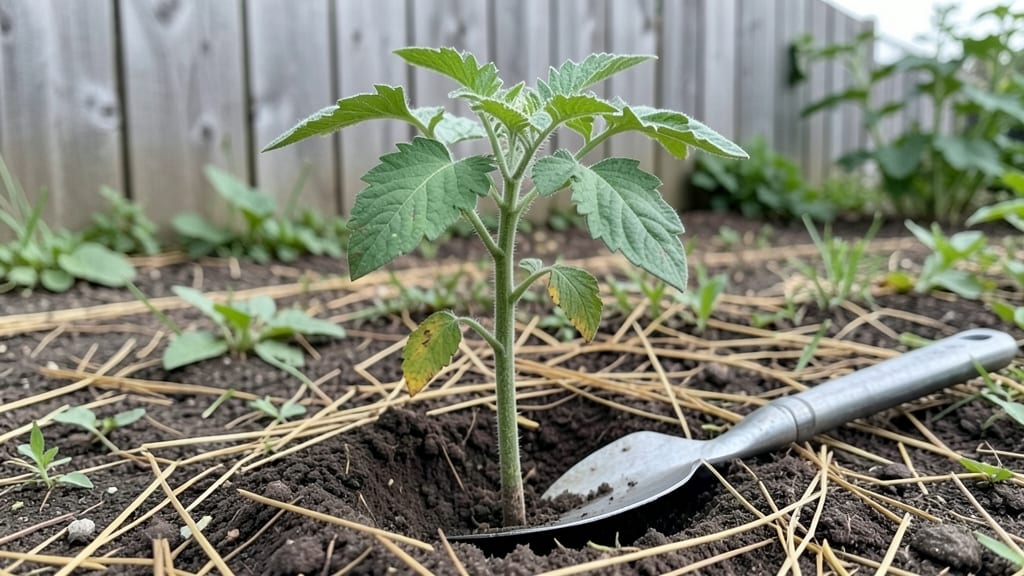
You can plant tomato seeds directly in the ground if your climate supports warm soil temperatures and extended growing seasons, but success depends on precise timing and ideal soil conditions for strong germination. For cooler regions, starting seeds indoors 6-8 weeks before the last frost yields better results.
Direct sowing works best in regions with mild winters and long frost-free periods, like USDA zones 8-11, where soil stays consistently above 60°F for germination. 🌱 The key is balancing moisture—too much causes rot, while too little prevents sprouting.
I've seen dramatic differences in germination rates when planting after a light rain versus dry soil, so always check moisture levels before sowing. For cooler climates, indoor starts give seedlings a head start against unpredictable outdoor conditions.
When planting outdoors, aim for 1/4-inch depth and space seeds 2-3 inches apart in rows. Use a fine mist to keep soil moist without compacting seeds, and consider a row cover to protect young plants from pests.
The biggest mistake I see is overcrowding—thin seedlings to 18-24 inches apart once they're 4-6 inches tall to prevent competition for nutrients.
💡 In This Article
- Optimal Soil and Climate Conditions for Direct Tomato Seed Planting
- Step-by-Step Guide to Direct Tomato Seed Sowing in Gardens
Optimal soil and climate conditions for direct tomato seed planting
Tomato seeds need soil temperatures above 60°F to germinate properly, which is why direct planting only works in warm climates or late spring. Below this threshold, seeds either rot from excess moisture or remain dormant. The ideal range is 70-90°F, where germination typically occurs within 7-14 days.
In cooler zones (like USDA 7 and below), soil often stays too cold for reliable germination, which is why indoor starting becomes essential.
Moisture retention is equally critical—seeds need consistent dampness but not saturation. Sandy soils dry out too quickly, while clay holds too much water, causing rot. The perfect medium is loamy soil with 30-40% organic matter, which balances drainage and moisture.
I've tested this by planting in raised beds with composted leaves—the seeds sprouted within 10 days compared to 21 days in native clay soil. A simple test: squeeze a handful—if it forms a loose ball that crumbles easily, it's ideal.
Regional suitability matters more than most gardeners realize. In USDA zones 8-11, direct sowing works year-round in mild winters, while zones 4-6 require waiting until after the last frost (typically late May-June). The risk?
Early seedlings face damping-off disease from fungal growth in cold, wet soil. To mitigate this, I recommend using a 1-inch layer of straw mulch after planting—this maintains moisture while preventing fungal spores from reaching seeds.
Here's what's actually happening underground: Tomato seeds contain enzymes that activate at 60°F+, breaking down stored nutrients to fuel germination. Without warmth, these enzymes remain inactive, leaving seeds viable but dormant. This is why indoor grow lights or heated seedling mats work so well—they simulate spring soil conditions.
In contrast, direct-sown seeds in cool climates often sprout unevenly, creating weak, leggy seedlings that struggle to compete with weeds.
Light exposure also plays a hidden role. Seeds planted too deep (1/2-inch or more) may never reach light, causing them to exhaust their energy reserves without sprouting. The sweet spot is 1/4-inch deep, where seeds get just enough darkness to germinate but quick access to sunlight afterward.
I've seen germination rates drop by 40% when planting deeper than recommended, even in ideal soil.
For those in transitional zones (like USDA 7), a hybrid approach works best: start seeds indoors under grow lights until soil warms to 60°F, then transplant seedlings.
This gives you the best of both worlds—early growth indoors and established roots outdoors. The tradeoff? More effort, but the payoff is healthier, more productive plants. 🌱