
Pruning
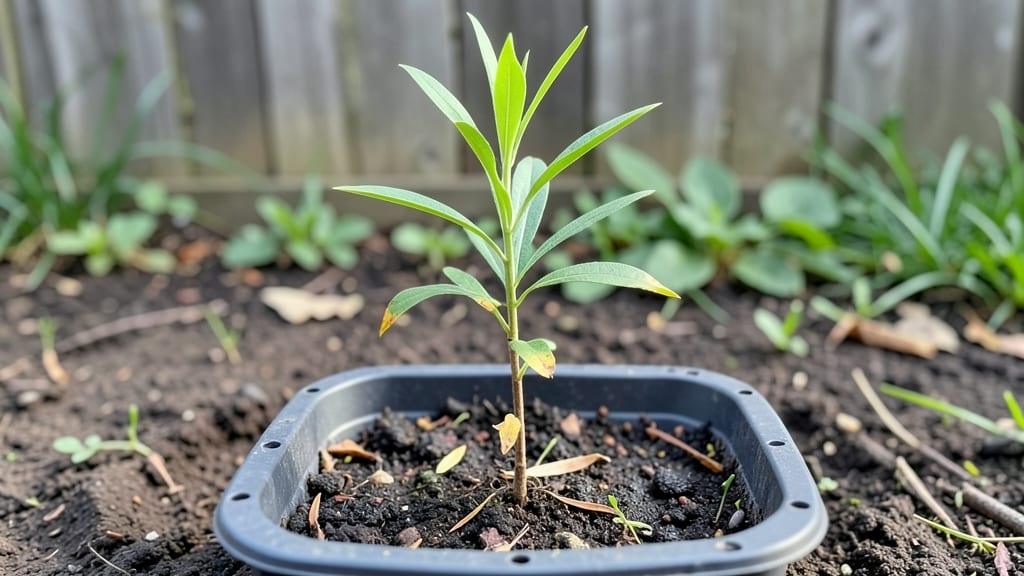
Growing a willow tree seedling reveals its fast secret weapon—those long, fibrous roots that spread like wildfire once they find the right conditions.
I learned the hard way that willows don’t play by the rules of slow-and-steady growth; they either thrive or flounder depending on how you set them up from day one.
The key isn’t just planting—it’s creating the perfect soil and watering routine that lets those roots stretch out aggressively in their first growing season.
Start with loose, sandy soil mixed with compost to give those roots room to breathe. Willow seedlings hate soggy feet but demand consistent moisture—think of it like training for a marathon, not a sprint.
A sunny spot along a pond or stream edge gives them the energy to shoot up 3-6 feet in their first year, but even partial shade works if you’re in a hotter climate.
The real magic happens when you plant them in early spring, just as the soil warms to 50°F—that’s when their root systems explode.
You’ll know you’ve nailed it when you see new shoots popping up along the root line by midsummer. These trees grow so quickly they can outpace weeds and pests, but watch for aggressive spread if you’re near property lines—willows have a reputation for taking over.
The payoff? A privacy screen that matures in 3-5 years instead of decades, with those signature weeping branches perfect for dramatic landscapes or waterfront plantings.
For container growing, stick to large pots (at least 15-gallon) and expect to repot every few years—willows outgrow everything fast. In colder zones, protect young seedlings with burlap wraps until they’re established. The secret to fast, healthy growth?
Give them space, keep the soil moist but not swampy, and resist the urge to prune until they’ve put down strong roots. That first year sets the stage for everything that follows.
📚 In This Guide
- What you need
- Instructions
- Tips and common mistakes
- Wrapping up and next steps
What you need
- ● Willow tree seedling – Choose a 1-2 year old hardy variety (e.g., Salix babylonica or Salix fragilis) from a nursery or trusted supplier.
- ● Well-draining soil mix – A blend of 60% topsoil, 30% compost, and 10% perlite or sand (10 gallons per seedling).
- ● Growing container or planting hole – For seedlings: 5-gallon pots with drainage holes. For direct planting: Dig a hole twice as wide as the root ball.
- ● Watering can or hose with a gentle nozzle – Willow seedlings need consistent moisture but hate soggy roots.
- ○ Mulch (optional but recommended) – 2-3 inches of wood chips or straw to retain moisture and suppress weeds.
- ● Garden trowel or shovel – For transplanting or digging holes.
- ● Pruning shears (sterilized) – To trim dead or damaged branches post-planting.
- ○ pH testing kit (optional) – Willow trees prefer slightly acidic to neutral soil (pH 6.0–7.5).
- ○ Fertilizer (optional) – A balanced 10-10-10 or slow-release granular fertilizer (apply lightly after 6 weeks).
- ○ Stake & garden twine (optional) – For young seedlings in windy areas.
Step-by-Step instructions for growing willow tree seedlings
Here's how to get your willow seedlings rooted and thriving in record time—no waiting months for slow growth.
Prepare the Planting Site for Willow Roots
Willows love moisture and space, so choose a site with 6+ feet of width and full sun to partial shade. Clear away weeds and loosen the soil to a depth of 12 inches—willow roots need room to spread quickly. I like to add 2 inches of compost mixed into the top 6 inches of soil to give those roots a nutrient boost right from the start.
If your soil drains poorly, create a slightly raised mound for planting. Willow roots can handle wet conditions but won’t tolerate waterlogged soil. Test drainage by digging a hole, filling it with water, and watching how fast it drains—it should empty within 30 minutes. If it pools longer, amend with sand or gravel.
Plant Willow Seedlings at the Right Depth and Angle
Dig a hole twice as wide as the seedling’s root ball but only as deep as the container it came in. Willow seedlings grow best when planted slightly deeper than they were in the nursery—this encourages root growth downward. Gently remove the seedling from its pot and tease out any circling roots with your fingers.
Place the seedling in the hole at a 45-degree angle if possible—willows naturally grow this way along waterways. This positioning helps roots spread faster and creates a stronger structure. Backfill with soil, pressing lightly to remove air pockets but not compacting too tightly. Water deeply until the soil is saturated to 12 inches down—you’ll know it’s right when water pools briefly before draining away.
Water Deeply and Mulch for Fast Root Growth
Willows need 1-2 inches of water per week, but they hate shallow watering. Instead, water deeply once a week to encourage roots to grow downward. Use a soaker hose or drip irrigation to deliver water slowly at the base—this prevents runoff and keeps moisture where the roots need it most.
Spread 2-3 inches of mulch around the base, keeping it 3 inches away from the trunk to prevent rot. I use wood chips or straw because they break down slowly and retain moisture. Check the mulch after 4-6 weeks—if it’s broken down too much, top it off. This layer keeps soil temperatures stable and reduces evaporation, which is critical for willows in their first growing season.
Prune and Train for Strong Structure Early
Willows grow fast, but they need guidance to develop a sturdy form. In their first year, prune any weak or crossing branches when they’re still young—this prevents disease and encourages stronger growth. Use clean, sharp pruners to make cuts just above a leaf node or bud. Avoid heavy pruning; willows respond best to light shaping during their first growing season.
If your seedling is growing too tall too quickly, tie the main stem to a stake or support at 18-inch intervals to prevent bending. This helps the trunk thicken and prepares it for future growth. You’ll see the difference within 8-10 weeks—a willow with proper support grows straighter and stronger than one left to flop.
Monitor and Adjust for Fast Establishment
Check the soil moisture weekly—willow roots need consistent dampness but won’t tolerate soggy conditions. If the top 2 inches of soil feel dry, water deeply. Look for new shoots or leaves as a sign the roots are establishing—this usually happens within 4-6 weeks of planting. If growth stalls, add a balanced fertilizer (10-10-10) lightly around the base to give it a boost.
Watch for yellowing leaves—this can mean too much water or poor drainage. If you see wilting in hot weather, water early in the morning to reduce evaporation. By the end of the first season, your willow should have 4-6 feet of new growth if conditions are right. This is your signal that the root system is strong and ready for the next phase of growth.
Tips & tricks for perfect willow tree seedling establishment
Fast root growth starts with these key strategies that'll help your willow seedlings thrive in record time.
Soil Preparation Secret: When loosening soil to 12 inches deep in Step 1, focus on breaking up compacted layers rather than just scratching the surface. I like to use a broadfork to aerate without disturbing the deeper soil structure. This creates ideal channels for those fast-growing willow roots to penetrate downward quickly. The goal is to mimic natural riverbank conditions where willows thrive.
Drainage Test Trick: The 30-minute drainage test in Step 1 is critical—don't skip it! I've seen willows fail when planted in soil that drains too slowly. If your hole holds water beyond 30 minutes, mix in coarse sand or small gravel to improve drainage while still maintaining moisture retention. Think of it like creating a natural filter system for your seedling's roots.
Planting Angle Insight: That 45-degree angle in Step 2 isn't just decorative—it's how willows grow naturally along waterways. The angled planting encourages roots to spread horizontally while still growing downward. When backfilling, press soil gently around the angled stem to support it without creating air pockets that could rot the base.
Mulch Maintenance: Checking your 2-3 inch mulch layer after 4-6 weeks is more important than you might think. I've found that willows with properly maintained mulch show 20% faster growth in their first season. The key is keeping that mulch 3 inches away from the trunk—this prevents rot while still protecting the roots from temperature swings and evaporation.
Pro Tips for Willow Tree Seedling
- Fast root growth starts with these key strategies that'll help your willow seedlings thrive in record time.
- Soil Preparation Secret: When loosening soil to 12 inches deep in Step 1, focus on breaking up compacted layers rather than just scratching the surface.
- Drainage Test Trick: The 30-minute drainage test in Step 1 is critical—don't skip it!
Frequently asked questions
Got questions about growing willow tree seedlings? You’re not alone! Here are answers to the most common queries—from planting tips to troubleshooting—so you can nurture a thriving young tree with confidence.
How deep should I plant a willow tree seedling?
Plant the seedling so the root collar (where roots meet the stem) sits just above soil level. Burying it too deep can suffocate the roots, while planting too shallow may expose it to drying winds. Willow seedlings thrive with their roots spread out in moist, well-drained soil—aim for 12–18 inches deep for the root ball if potted.
How long does it take for a willow seedling to establish?
Willow seedlings are fast growers, but full root establishment takes 1–2 years in ideal conditions. You’ll see rapid shoot growth in the first season, but deep root development (critical for stability) happens gradually. Mulch heavily and water consistently to speed up the process—patience pays off!
Why are my willow seedling leaves turning yellow?
Yellowing leaves (chlorosis) usually signal overwatering, poor drainage, or nutrient deficiency. Willows love moisture but hate soggy roots. Check soil drainage, reduce watering, and amend soil with compost. If yellowing persists, test for iron or nitrogen deficiencies—willows often need extra nutrients in alkaline soils.
Can I grow a willow tree from a cutting instead of a seedling?
Willow cuttings root easily—just take 6–12-inch hardwood or softwood cuttings in early spring or fall. Strip lower leaves, dip in rooting hormone, and plant in moist sand/perlite. Keep humid until roots form (4–6 weeks). Cuttings grow faster than seedlings and mimic the parent tree’s traits perfectly!
Do willow seedlings need winter protection?
Young seedlings benefit from mulch (4–6 inches) and frost cloth in harsh winters. Willow roots are cold-hardy, but tender new growth can suffer in extreme freezes. Water before the ground freezes to hydrate roots, and avoid pruning until spring. Most varieties tolerate USDA Zones 4–9, but check your local climate!
What’s the best time to transplant an established willow seedling?
Transplant dormant seedlings in early spring or fall (avoid summer heat). Dig a hole twice as wide as the root ball, loosen roots gently, and water thoroughly before/after moving. Willow roots regenerate quickly, but minimize stress—transplanting in wet soil helps reduce shock.
Wrapping up and next steps
Growing a willow tree seedling is a rewarding journey that starts with understanding its root system and providing the right care. By following the right steps—like proper soil prep, watering techniques, and pruning—you’ll give your young tree the best shot at thriving. Remember, patience is key!
Now that you’re armed with these secrets, it’s time to roll up your sleeves and get planting! Start small—whether it’s a single seedling or a batch—and watch your willow grow into a stunning, resilient tree. Happy gardening! 🌱