
Flowers
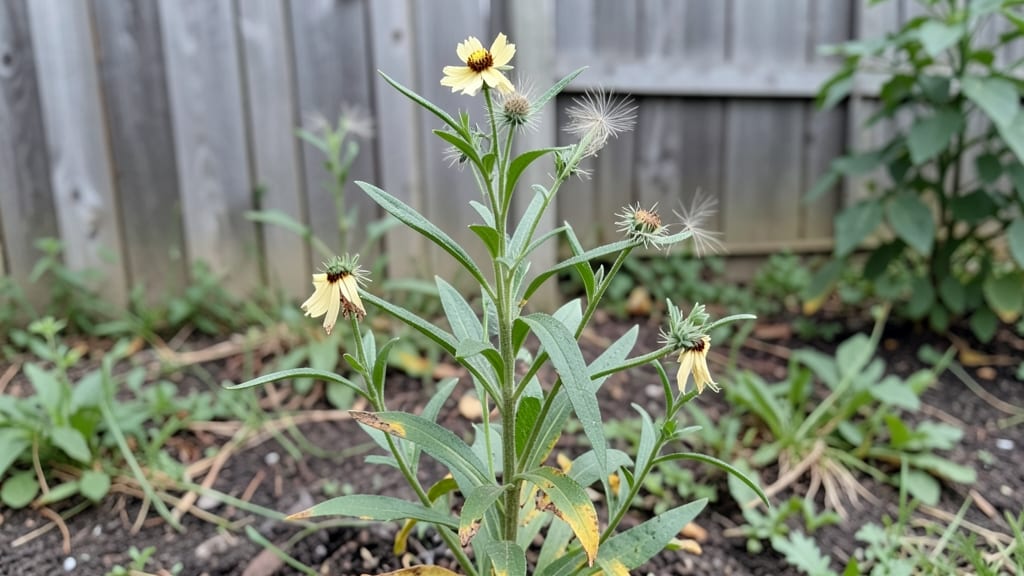
Growing whorled tickseed from seed gives you those bold purple daisies that keep blooming all summer long—even when temperatures climb. 🌿 I’ve watched this plant turn dry, hot corners into vibrant spots, and the secret starts with the right seed-starting approach.
The key isn’t fancy equipment but timing, soil, and a little patience for those first tiny leaves.
You’ll need a sunny windowsill or grow light, a small pot with drainage, and a soil mix that drains fast but holds enough moisture to keep seeds from drying out. Plant them just below the surface—no deep burial—and keep the soil warm (around 70°F) for the best germination.
Most seeds pop up in 7-14 days, but don’t rush them; whorled tickseed likes to take its time.
Once seedlings appear, thin them to 6-12 inches apart when they’re a few inches tall—they’ll spread but not crowd like some flowers. The payoff? Nonstop blooms from early summer until frost, with those cheerful purple flowers drawing in pollinators.
They’re tough, too: drought-tolerant once established and resistant to deer and rabbits.
Fair warning: If you live in a humid climate, watch for powdery mildew—space plants well and water at the base to keep foliage dry. But the rewards? A low-maintenance, heat-loving star that outshines many annuals. Ready to grow yours?
📚 In This Guide
- What you need
- Instructions
- Tips and common mistakes
- Wrapping up and next steps
What you need
- ● Whorled tickseed seeds: 1–2 packets (50–100 seeds per packet). Opt for organic or heirloom varieties for best results.
- ● Well-draining potting mix: 1–2 bags (12–18 qt each). Use a blend with 50% garden soil and 50% perlite/sand for aeration.
- ● Seed-starting trays or pots: 1–2 trays (72–144 cell count) or 3–4 individual pots (4–6" diameter). Ensure they have drainage holes!
- ● Seed-starting soil: 1 small bag (5–10 qt). Lightweight and sterile for germination.
- ● Plant labels: 20–50 labels (waterproof markers recommended).
- ● Spray bottle: 1 (for gentle watering).
- ○ Grow lights or sunny windowsill: Optional but helpful for seedlings (12–16 hrs/day of light).
- ● Garden gloves: 1 pair (to protect hands from soil and seeds).
- ● Trowel or transplant tool: 1 (for moving seedlings outdoors).
- ● Sunlight: Full sun (6+ hours/day) for mature plants. Seedlings need bright, indirect light.
- ● Climate: Plant after the last frost (Zone 3–9). Whorled tickseed thrives in heat and drought!
- ● Watering routine: Keep soil consistently moist (not soggy) during germination.
- ● Compost or slow-release fertilizer: 1 bag (for nutrient-rich soil).
- ● Mulch: Straw or shredded leaves (to retain moisture).
- ● Insect netting: If pests are a concern in your area.
Step-by-Step instructions for planting whorled tickseed seeds
Here’s how to coax those vibrant purple blooms into your garden with minimal fuss.
🌱 Step 1: Choose the Perfect Planting Time and Location
Whorled tickseed (Coreopsis verticillata) thrives in full sun and tolerates heat better than most perennials. Plant seeds outdoors in early spring, about 4-6 weeks before your last frost date, or start them indoors 6-8 weeks before transplanting. This gives roots time to establish before summer’s intensity.
Pick a spot with well-draining soil—whorled tickseed despises soggy roots. If your soil is heavy clay, amend it with 2-3 inches of compost mixed into the top 6 inches of soil. The plant’s native range includes dry prairies, so lean toward slightly dry conditions over moisture retention.
💧 Step 2: Prepare the Soil and Sow Seeds Lightly
Rake the planting area to create a fine, loose surface. Scatter seeds ¼ inch deep—they’re tiny, so I use a pinch of sand mixed with seeds to distribute evenly. Space them 6-12 inches apart for full, bushy plants later. A light dusting of soil over the seeds is all they need; pressing them in too firmly can delay germination.
Water gently but thoroughly to moisten the soil to a depth of 1-2 inches. Use a fine spray nozzle to avoid displacing seeds. Keep the soil evenly moist (not soggy) until germination, which typically takes 10-21 days. A clear plastic dome or row cover helps retain humidity and speed up sprouting in dry climates.
☀️ Step 3: Provide Consistent Care for Strong Starts
Once seedlings emerge, remove the cover immediately to prevent fungal issues. Thin them to 6 inches apart once they develop 2-3 true leaves, snipping weaker stems at soil level with clean scissors. This reduces competition and encourages robust growth. Whorled tickseed is drought-tolerant once established, but young plants need 1 inch of water weekly during their first growing season.
Fertilize lightly in early spring with a balanced 10-10-10 formula—too much nitrogen promotes leafy growth at the expense of those showstopping purple blooms. Mulch around plants with 1-2 inches of shredded bark to suppress weeds and retain moisture. Avoid piling mulch against stems to prevent rot.
✂️ Step 4: Encourage Blooms and Maintain Health
Deadhead spent blooms by pinching off faded flowers with your fingers or shears. This redirects energy to new growth and prolongs the flowering season, which can stretch from mid-summer to frost. Cut back one-third of the plant’s height in early spring to stimulate fresh, bushy growth—whorled tickseed responds well to this pruning.
Watch for powdery mildew in humid summers. Improve airflow by spacing plants properly and watering at the base rather than overhead. If mildew appears, treat with a neem oil solution (1 tablespoon per gallon of water) applied in the evening to avoid burning leaves. Resistant varieties like ‘Moonbeam’ handle heat and humidity better than others.
🪴 Step 5: Divide and Propagate for Fuller Displays
Every 3-4 years, whorled tickseed benefits from division in early spring before new growth begins. Dig up the clump, separate it into 3-4 inch sections with roots intact, and replant immediately. This rejuvenates older plants and gives you free material to share or expand your garden. Transplant divisions to new areas or containers, ensuring they get full sun and well-draining soil.
Container-grown whorled tickseed thrives in 5-gallon pots with drainage holes. Use a lightweight potting mix amended with perlite for optimal drainage. Water containers when the top inch of soil feels dry, and fertilize monthly during the growing season with a half-strength liquid fertilizer. Potted plants may need winter protection in colder zones, wrapping pots in burlap or moving them to a sheltered spot.
Tips & tricks for perfect whorled tickseed planting
To get those vibrant purple blooms thriving in your garden, pay attention to these key details that make all the difference.
Soil Prep is Everything: Whorled tickseed's native prairie habitat means it craves well-draining conditions. In Step 1, when amending heavy clay soil, mix that 2-3 inches of compost thoroughly into the top 6 inches—don't just top-dress. I've found that adding a handful of perlite to the amended soil creates tiny air pockets that prevent waterlogging, which is critical for preventing root rot. The goal is to mimic that slightly dry prairie environment where these plants evolved.
Seed Distribution Secret: In Step 2, when scattering those ¼-inch deep seeds, here's what nobody tells you: mix your seeds with a pinch of sand first. This creates a perfect 1:1 ratio that makes even distribution effortless. I use a small sifter for this step—it's worth the investment for such tiny seeds. Also, resist the urge to press them into the soil; a light dusting is all they need to stay in place while allowing moisture to reach them.
Germination Timing Insight: The 10-21 day germination window in Step 2 can feel like an eternity, but here's the thing: temperature matters more than days. In cooler climates, germination may take the full 21 days, while in warmer areas, you might see sprouts in just 10 days. I keep a small thermometer near my seed trays—ideal germination temperature is 70-75°F. If your soil stays below 60°F, consider using a seedling heat mat to speed things up.
Thinning Technique: When thinning to 6 inches apart in Step 3, I've learned the hard way that timing is everything. Wait until plants have 2-3 true leaves—not the initial seed leaves—and are at least 2 inches tall. Use clean scissors to snip at soil level rather than pulling, which can disturb remaining plants' roots. This precise timing gives you strong, established seedlings that won't compete for nutrients.
Pro Tips for Whorled Tickseed Seeds
- To get those vibrant purple blooms thriving in your garden, pay attention to these key details that make all the difference.
- Soil Prep is Everything: Whorled tickseed's native prairie habitat means it craves well-draining conditions.
- Seed Distribution Secret: In Step 2, when scattering those ¼-inch deep seeds, here's what nobody tells you: mix your seeds with a pinch of sand first.
Frequently asked questions
Got questions about growing whorled tickseed (Coreopsis verticillata) from seeds? You’re not alone!
Here are answers to the most common queries—from timing to troubleshooting—so you can grow these vibrant purple blooms with confidence.
When is the best time to plant whorled tickseed seeds?
Plant seeds outdoors in early spring (after the last frost) or late summer for fall blooms. For cooler climates, start seeds indoors 6-8 weeks before the last frost in biodegradable pots. Whorled tickseed thrives in heat, so avoid planting when temps are still chilly—wait until soil is at least 50°F (10°C).
How long does it take for whorled tickseed seeds to germinate?
Germination usually takes 14–21 days in warm, moist soil. Keep seeds consistently damp (not soggy) and in 65–75°F (18–24°C) conditions. If germination takes longer, check moisture levels—dry soil is the #1 culprit for delays. Patience pays off with these hardy seeds!
Can I grow whorled tickseed from store-bought seeds, or do I need special ones?
Store-bought seeds labeled as Coreopsis verticillata or "whorled tickseed" are perfect. No need for special varieties—just ensure they’re fresh (from the current year) for best results. Look for reputable sellers like Burpee or Baker Creek Heirloom Seeds for reliable quality.
Why aren’t my whorled tickseed seeds sprouting? Troubleshooting tips.
Try these fixes if seeds aren’t germinating:
- Check soil moisture: Use a spray bottle to keep soil evenly damp (not waterlogged).
- Verify temperature: Seeds need warmth—place trays on a heat mat if indoors.
- Test seed viability: Soak a few seeds in water overnight. If they don’t swell, they may be old.
- Light exposure: Seeds need light to germinate—don’t bury them deeper than ¼ inch.
Do whorled tickseed seeds need full sun to grow?
Yes! These sun-lovers thrive in 6+ hours of direct sunlight daily. While they tolerate partial shade, blooms will be sparser and stems may flop. For container growers, place pots in the sunniest spot (like a south-facing window or balcony). If your garden is shady, opt for a low-maintenance alternative like black-eyed Susan (Rudbeckia).
Wrapping up and next steps
Whorled tickseed seeds offer a vibrant, low-maintenance solution for adding bold purple blooms to your garden, especially in hot climates. Their drought tolerance, rapid growth, and ability to attract pollinators make them a standout choice for both beginners and seasoned gardeners.
Whether you're brightening up containers or filling sunny patches, these seeds deliver beauty with minimal effort!
Ready to transform your space? Grab your seeds, pick a sunny spot, and watch your garden burst into color! 🌸 For extra tips, check out our FAQ section or dive into other heat-loving plants next.