
Vegetables
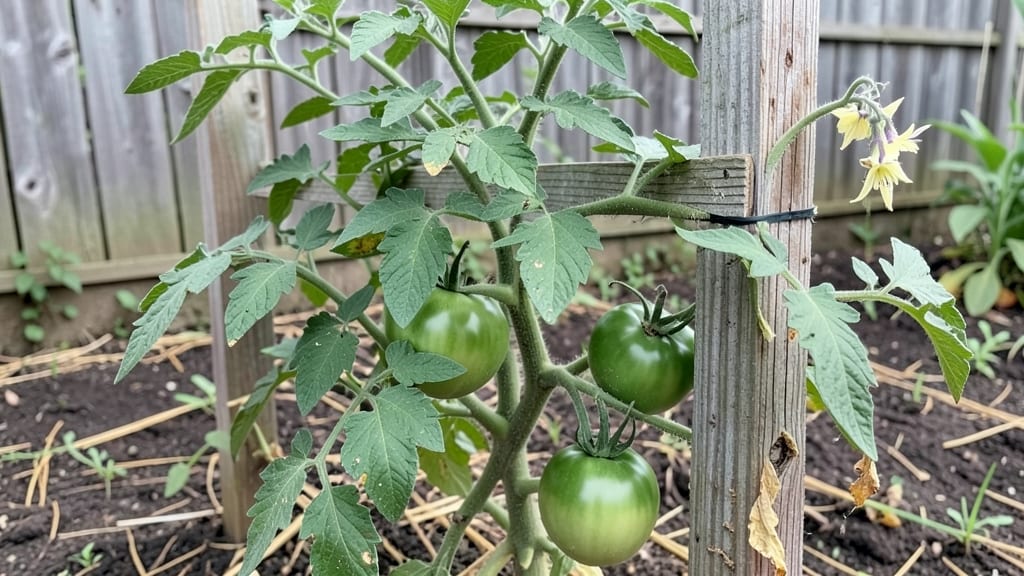
Growing Whopper tomato seeds gives you beefsteak tomatoes that weigh a pound each—imagine slicing one for a sandwich and still having half left. 🌱 I planted mine last spring, and by July, my neighbors were asking where I got my "secret" tomatoes.
The key isn’t just the seeds; it’s the right timing, soil, and a little patience to coax those massive fruits.
These tomatoes thrive in warm climates but do well in cooler zones too if you start seeds indoors by March. They need full sun, rich soil, and consistent watering—about an inch per week. The plants grow tall, so stake them early to avoid flopping vines.
My first harvest came 70 days after transplanting, and the flavor? Sweet with just a hint of tartness that makes it perfect for slicing or sauces.
You’ll love how these tomatoes transform your garden into a showstopper. The vines produce clusters of heavy fruit, and with proper care, you’ll harvest 10-15 pounds per plant.
Even if you’ve struggled with tomatoes before, Whoppers are forgiving—just keep the soil moist and prune suckers regularly. The payoff is worth the effort.
Works in containers too if you choose a large enough pot—just ensure good drainage. For best results, mulch around the base to retain moisture and prevent soil-borne diseases. Here’s how to get started without the guesswork.
📚 In This Guide
- What you need
- Instructions
- Tips and common mistakes
- Wrapping up and next steps
What you need
- ● Whopper tomato seeds – 1 packet (typically 50-100 seeds, depending on the brand)
- ● Seed-starting soil – 10-12 quarts (sterile, well-draining potting mix)
- ● Seed trays or biodegradable pots – 12-24 cell packs (or small pots, 2-3 inches deep)
- ○ Grow lights or sunny windowsill – 12-16 hours of light daily (optional but recommended for early growth)
- ● Watering can or spray bottle – For gentle hydration (avoid overwatering!)
- ● Plant labels – To track growth stages (or a marker + sticky notes!)
- ○ Gloves (optional) – To keep hands clean while handling soil
- ● Trowel or small shovel – For transplanting seedlings (if moving to larger pots)
- ● Fertilizer (balanced, 10-10-10 or organic) – 1-2 tbsp per gallon of water (for seedlings)
- ○ Heat mat (optional) – If starting seeds indoors in cooler climates (70-80°F ideal)
- ● Patience & enthusiasm! – Whopper tomatoes thrive with consistent care 🌟
- ● 🔥 Sterilize tools – Rinse containers with a 1:9 bleach-water mix to prevent mold.
- ● 🌡️ Monitor humidity – Cover trays with plastic wrap (remove after germination).
- ● ✨ Transplant carefully – Harden off seedlings 1-2 weeks before moving outdoors.
How to grow Whopper tomatoes for big harvests
Here's my go-to method for coaxing massive, early fruit from Whopper tomato seeds—no fancy gear needed.
🌱 Step 1: Start Seeds Indoors 8-10 Weeks Before Last Frost
Fill 2-3 inch deep seedling trays with moistened seed-starting mix (I like the sterile blend that doesn't compact). Press it down gently so it's firm but not packed—you want roots to push through easily. Plant 2 seeds per cell at ¼ inch depth, since Whoppers germinate best when just covered.
Cover the tray with a humidity dome or plastic wrap to trap warmth. Keep soil at 75-85°F using a seedling heat mat if your home runs cooler. You'll see sprouts in 5-7 days—that's when the real fun begins.
☀️ Step 2: Provide Strong Light Immediately After Germination
Whopper seedlings need 14-16 hours of light daily right from the start. A south-facing window won't cut it—these plants grow fast and get leggy without enough intensity. I use a full-spectrum LED grow light positioned 2-3 inches above the seedlings, raising it as they grow.
Watch for thin, pale stems with leaves spaced far apart—that's your sign to move the light closer. Strong seedlings have thick stems and deep green leaves growing close together. Rotate the tray daily so plants grow straight instead of bending toward the light.
🪴 Step 3: Transplant to Larger Pots When Seedlings Are 3-4 Inches Tall
Use 5-inch diameter pots filled with fresh potting mix (never reuse old soil—it carries disease). Gently remove seedlings by grasping the leaves, not the stems, and place them in their new homes. Bury them up to their first true leaves—this encourages stronger root growth.
Water thoroughly after transplanting, then let the top inch of soil dry before watering again. Place pots in a spot with 6-8 hours of morning sun and afternoon shade to prevent stress. Whopper tomatoes hate soggy roots, so always use containers with drainage holes.
✂️ Step 4: Harden Off and Plant Outdoors After All Frost Risk Passes
Two weeks before your last frost date, start moving seedlings outside for 1-2 hours daily in a sheltered spot. Gradually increase their outdoor time over 10-14 days, ending with a full day in the garden. This toughens their skin so they handle wind and sun better.
Plant Whopper tomatoes in full sun with 18-24 inches between plants and 36 inches between rows. Bury them deep—up to their first leaves—to promote strong root systems. Water deeply at planting to settle the soil around the roots.
💧 Step 5: Maintain Consistent Moisture and Fertility
Whopper tomatoes need 1-1.5 inches of water weekly, delivered at the base of the plant to avoid wetting the leaves (this prevents disease). I water in the morning so foliage dries quickly. Use a balanced fertilizer every 2-3 weeks once flowers appear to keep the harvest coming.
Watch for yellowing leaves—this usually means either overwatering or nutrient deficiency. Prune suckers (the little shoots in the leaf axils) regularly to focus the plant's energy on fruit production. You'll know you're doing it right when you see large, beefy tomatoes forming within 60-70 days of transplanting.
Tips & tricks for growing Whopper tomatoes
Here's what I've learned after growing these giants for years—these tricks make all the difference between decent tomatoes and jaw-dropping harvests.
Seedling Heat Secret: Those 75-85°F soil temperatures in Step 1 are critical for germination. I use a seedling heat mat set to 80°F and place my tray on top of my fridge to create a warm, stable environment. If your home runs cool, this extra boost can cut germination time from 7-10 days to just 5-7 days. Pro tip: Check soil temperature with a thermometer—cold soil delays sprouting and can lead to weak seedlings.
Lighting Strategy: For the 14-16 hours of light in Step 2, I set up my grow light on a timer to automatically turn on at 6am and off at 8pm. This consistency prevents leggy seedlings. Watch for stems that look like toothpicks—this means you need more light intensity. If you don't have a timer, just remember to move the light closer when you notice leaves growing far apart.
Transplanting Technique: When moving to 5-inch pots in Step 3, I make sure to bury the seedlings up to their first true leaves by creating a small trench in the soil. This buried stem becomes the main root system, producing stronger plants. After transplanting, I give them a gentle shake to help roots spread into the new soil—it might look rough, but it works wonders.
Harden Off Gradually: The 10-14 day hardening process in Step 4 is where many gardeners rush and end up with stressed plants. I start with just 1-2 hours in a sheltered spot and increase by 30 minutes each day. On windy days, I use a small cardboard box as windbreak. This gradual approach prevents shock that could delay flowering by weeks.
Pro Tips for Whopper Tomato Seeds
- Here's what I've learned after growing these giants for years—these tricks make all the difference between decent tomatoes and jaw-dropping harvests.
- Seedling Heat Secret: Those 75-85°F soil temperatures in Step 1 are critical for germination.
- Lighting Strategy: For the 14-16 hours of light in Step 2, I set up my grow light on a timer to automatically turn on at 6am and off at 8pm.
Frequently asked questions
Got questions about growing Whopper tomato seeds?
You’re not alone! Here are some of the most common queries—plus quick, actionable answers to help you grow like a pro.
When should I plant Whopper tomato seeds indoors vs. outdoors?
Start Whopper tomato seeds indoors 6–8 weeks before your last frost date (around early spring). Transplant seedlings outdoors after soil temps hit 55°F+ and nighttime temps stay above 50°F—usually late spring or early summer. Harden off seedlings for 7–10 days before moving them to avoid shock!
How long does it take for Whopper tomatoes to mature?
Whopper tomatoes are early bloomers but still need patience! From seed to harvest, expect 60–70 days in ideal conditions. Early varieties like these can sometimes produce fruit faster (as early as 50 days in warm climates), but consistent care ensures peak yields.
What’s the best temperature range for growing Whopper tomatoes?
Whopper tomatoes thrive in 70–85°F daytime temps and never below 55°F. If nights dip too low (<50°F), use row covers or move pots indoors temporarily. Heatwaves above 90°F? Provide afternoon shade to prevent blossom drop and stress.
Can I save seeds from Whopper tomatoes for next year?
Yes! Let a few tomatoes fully ripen and soften on the vine, then scoop out the gel and seeds. Rinse seeds in water, ferment for 2–3 days (to kill mold), and dry on a paper towel. Store in a cool, dark place for up to 3 years. Pro tip: Label them—seed batches can vary!
What pests should I watch for with Whopper tomatoes?
Common culprits include aphids, hornworms, and whiteflies. Use neem oil or row covers for prevention. For hornworms, handpick them (they’re green with white stripes—easy to spot!). Deter slugs with diatomaceous earth or beer traps near plants.
Are there any alternatives if Whopper seeds are hard to find?
If Whopper seeds are sold out, try early-season heirlooms like ‘Stupice’ or ‘Mountain Merit’ (disease-resistant). For similar yields, ‘Celebrity’ or ‘Better Boy’ are reliable hybrids. Check local seed swaps or seed banks—you might find rare varieties!
Wrapping up and next steps
Growing whopper tomato seeds is your ticket to a bountiful, early harvest—packed with flavor and productivity! These fast-blooming varieties reward patience with huge, juicy tomatoes that’ll make your garden (and your burgers) the talk of the town.
Whether you’re a seasoned gardener or just starting out, these seeds are a game-changer for maximizing space and yield.
Ready to dive in? Start small—pick a sunny spot, prep your soil, and plant those seeds with confidence. Soon, you’ll be savoring the fruits of your labor (literally!). 🌱 Grab your seeds and get growing today!