Diseases
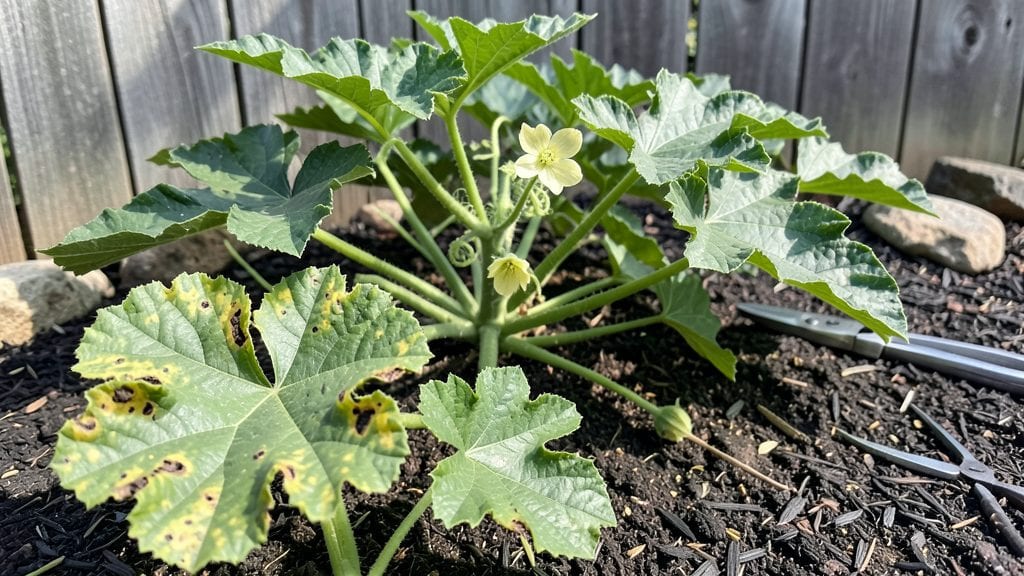
Watermelon seedling diseases like damping-off, powdery mildew, and fungal rots can turn vibrant green seedlings into a sickly mess overnight. I’ve lost entire flats of seedlings to these silent killers, but I’ve also learned how to spot them early and stop them before they spread.
The key is catching those first warning signs: wilting stems, fuzzy white growth, or blackened bases at soil level.
Most of these diseases thrive in crowded, damp conditions, so proper spacing and airflow are your first line of defense. I swear by using sterilized seed-starting mix and shallow trays with drainage holes—no soggy bottoms allowed.
A light spray of neem oil or baking soda solution can also prevent fungal infections before they take hold, especially in humid climates.
Once you see symptoms, act fast: remove infected seedlings immediately, then treat the remaining ones with a copper fungicide or homemade garlic spray. The goal is to save what’s left and prevent the disease from moving to your main garden.
With these steps, you’ll go from panicked to proactive in no time.
Even experienced gardeners struggle with seedling diseases, but the good news is prevention is simpler than it sounds. Focus on cleanliness, airflow, and quick action—your future harvest will thank you. Here’s how to keep those seedlings strong from day one.
Root Causes Behind Seedling Struggles
Watermelon seedlings are delicate powerhouses—packed with potential but vulnerable to a host of invisible threats. Understanding why these diseases strike is the first step to stopping them before they wreck your crop. Let’s break down the science behind the chaos.
Fungi are the sneaky villains of seedling diseases, thriving in damp, nutrient-rich soil. Here’s how they hijack your watermelon’s growth:
- Overwatered or Poor-Draining Soil: Fungi like Pythium and Fusarium love moisture. When soil stays soggy, spores germinate, infecting tender roots and stems. Pro tip: Test your soil’s drainage—if water pools after 24 hours, amend with perlite or compost to improve aeration. 🌡️
- Old or Contaminated Soil: Reused soil from last season may harbor dormant fungal spores. Even "sterile" potting mixes can harbor hidden pathogens if stored improperly. Action step: Solarize soil (cover with clear plastic for 4–6 weeks in summer) or use fresh, sterile mix for seedlings. ✨
- Cool, Humid Conditions: Fungi spread faster in temps below 75°F (24°C) with high humidity. Seedlings in greenhouses or shaded areas are prime targets. Fix it: Use row covers or shade cloth to regulate temperature and airflow. 💡
Bacteria like Erwinia and Pseudomonas hitchhike on wounds or splashing water, turning healthy seedlings into mushy, yellowing casualties. Here’s how they gain the upper hand:
- Physical Damage: Rough handling (e.g., transplant shock) or insect bites create entry points. Even a tiny scrape can invite bacterial infections. Prevent it: Harden off seedlings gradually and avoid overcrowding during transplanting. 👨🍳
- Splashing Water: Irrigation or rain can fling bacteria from soil onto leaves, causing spots or wilting. Solution: Use drip irrigation or water at the base of plants, never overhead. 💧
- High Nitrogen Fertilizer: Too much nitrogen weakens seedlings, making them susceptible to bacterial attacks. Balance it: Use a low-nitrogen starter fertilizer (e.g., 5-10-10) and focus on phosphorus for root strength. 📊
Viruses like Cucumber Mosaic Virus (CMV) or Watermelon Mosaic Virus (WMV) spread via aphids, thrips, or even contaminated tools. Here’s how they infiltrate your seedlings:
- Infested Plants Nearby: Weeds or volunteer cucurbits (e.g., squash) can harbor viral vectors. Aphids feeding on infected plants then jump to your seedlings. Eliminate risks: Remove all plant debris and monitor for pests weekly. 🔥
- Contaminated Hands/Tools: Pruners, gloves, or even your fingers can transfer viruses between plants. Sanitize: Disinfect tools with 70% rubbing alcohol between uses. 🧼
- Warm, Dry Weather: Viruses thrive when pests are active (e.g., aphids multiply faster in heat). Counteract: Use reflective mulch or insectary plants (like marigolds) to deter vectors. 🌿
Seedlings under stress—whether from heat, cold, or poor nutrition—become sitting ducks for pathogens. Here’s how environmental factors lower their guard:
| Stressor | How It Helps Diseases | Fix It |
|---|---|---|
| Extreme Heat (>90°F / 32°C) | Causes leaf scorch, reducing photosynthesis and weakening roots. | Use shade cloth (30–50%) and mulch to keep soil cool. |
| Cold Snaps (<50°F / 10°C) | Slows growth, making seedlings prone to damping-off fungi. | Cover seedlings with row fabric at night or use heat mats. |
| Nutrient Deficiencies | Lack of magnesium (yellow leaves) or calcium (blossom-end rot) stresses plants. | Test soil and amend with Epsom salt (for magnesium) or crushed eggshells (for calcium). |
Key takeaway: Healthy seedlings resist diseases better. Focus on prevention—clean soil, proper spacing, and balanced care—to starve pathogens before they strike. 🎯
Fixing Seedling Issues Naturally
Watermelon seedlings are delicate, and diseases can strike fast—but with the right organic approach, you can turn things around before they spiral. Below are practical, step-by-step solutions tailored to each common cause, plus prevention tips to keep your seedlings thriving. No harsh chemicals needed—just smart gardening!
Fix: Stop the moisture trap and boost airflow.
- 🔥 Remove infected seedlings immediately – Snip at the base to prevent spores from spreading. Dispose of them in a sealed bag (not the compost pile).
- 🍳 Adjust watering habits – Water only at the soil base (not overhead) and only in the morning so foliage dries quickly. Use a spray nozzle with a fine mist for seedlings.
- 👨🍳 Boost ventilation – Space seedlings 2–3 inches apart and prop open greenhouse vents or move containers to a shady, breezy spot.
- 🥘 Apply fungicidal sprays – Mix 1 tsp baking soda + 1 quart water + a few drops of dish soap (spray lightly on leaves). For stubborn cases, try a neem oil spray (1 tbsp neem oil + 1 tsp mild soap per quart of water).
💡 Prevention Pro Tip: Sterilize trays and tools with a 1:10 bleach-water solution before reuse. Let soil dry slightly between waterings—damp soil = fungal buffet.
Fix: Drain, dry, and restore balance.
- ⏰ Pause watering – Let the top inch of soil dry out completely before watering again. Stick your finger in—if it’s soggy, wait.
- 🔪 Repot affected seedlings – Gently remove the seedling, trim black, mushy roots with sterilized scissors, and repot in fresh, well-draining potting mix (add perlite or vermiculite for aeration).
- 🌡️ Improve drainage – If using containers, drill drainage holes if missing. Elevate pots on saucers or bricks to prevent waterlogging.
- 🎯 Strengthen roots – After repotting, water lightly and avoid fertilizing for 1–2 weeks to reduce stress.
🔥 Emergency Fix: For severe cases, suspend the seedling upside-down in a shady, humid spot (like a plastic bag with holes) for 24 hours to dry roots before repotting.
Fix: Cut off the fungus and restore humidity balance.
- 🔪 Prune infected leaves – Snip off only the worst patches (not whole leaves) to keep the plant photosynthesizing.
- 🍳 Spray with homemade remedies –
- Milk spray: 1 part milk to 9 parts water (spray every 3–4 days).
- Hydrogen peroxide: 1 tbsp 3% H₂O₂ per quart of water (spray in early morning).
- 👨🍳 Adjust growing conditions – Move seedlings to partial shade (especially in humid climates) and increase airflow with a small fan on low.
- 🥘 Prevent recurrence – Apply sulfur dust (organic fungicide) lightly to soil and leaves weekly if mildew is recurrent.
✨ Prevention Hack: Plant marigolds or garlic nearby—their scent naturally repels fungal spores!
Fix: Lure them out and starve them.
- 🔥 Handpick at night – Wireworms are sluggish in cool evenings. Shake soil into a bucket and pick out the white, shiny larvae.
- 🍳 Use organic traps –
- Potato bait: Bury chopped potatoes in the soil for 24 hours—wireworms will gather. Remove and dispose.
- Diatomaceous earth: Sprinkle lightly around seedlings (reapply after rain). ⚠️ Avoid overuse—it’s harsh on soil microbes.
- 👨🍳 Boost beneficial nematodes – Apply **beneficial Steinernema carpocapsae nematodes to the soil (available at garden centers). They hunt grubs naturally.
- 🥘 Rotate crops – Avoid planting watermelons in the same spot next year if grubs were an issue.
💡 Long-Term Defense: Plant cover crops like rye or buckwheat in fall/winter—they attract grubs away from your seedlings.
- 🌡️ Monitor soil temp – Keep it 60–70°F (cool soil slows fungal growth).
- 🍎 Feed lightly – Use fish emulsion (diluted) or compost tea for weak seedlings (avoid over-fertilizing).
- 🔄 Quarantine new plants – Keep them separate for 2 weeks before mixing with established seedlings.
Remember: The key is early action. Caught early, most seedling diseases are reversible—so inspect daily** and act fast! 🚀
Frequently asked questions about watermelon seedling diseases
Why do my watermelon seedlings suddenly collapse at the soil line?
This is classic damping-off, caused by fungal pathogens like Pythium or Rhizoctonia thriving in wet, crowded conditions. The stems rot at the base, causing seedlings to topple. To prevent it, use sterilized seed-starting mix, avoid overhead watering, and space seedlings 2-3 inches apart for airflow.
Can I save seedlings with powdery mildew, or should I toss them?
You can often save them with quick action! Prune infected leaves and spray with a milk solution (1:9 milk-to-water ratio) or neem oil in the morning. Move seedlings to partial shade and improve airflow with a small fan. For severe cases, isolate and treat with sulfur dust if organic options fail.
How do I tell if my seedlings have bacterial wilt or just heat stress?
Bacterial wilt causes sudden wilting (even at night) with yellowing leaves that stay upright. Heat stress wilting happens during the day but recovers overnight. Check stems for oozing bacterial slime or dark streaks when cut open—confirming bacterial infection. Remove infected plants immediately and sterilize tools.
Is it safe to reuse last year's potting soil for watermelon seedlings?
Never reuse soil without sterilizing it first! Old soil harbors fungal spores and pathogens. Solarize it (cover with clear plastic for 4-6 weeks in summer) or bake it at 200°F (93°C) for 30 minutes. For quick fixes, mix in fresh compost (20%) or use a commercial sterilized seed-starting mix.
What's the fastest way to dry out soggy seedling soil?
Pause watering immediately and move containers to a bright, breezy spot (like a covered porch). Elevate pots on bricks or trays to improve drainage. If using trays, remove seedlings and let soil air-dry for 1-2 days before repotting. Avoid direct sunlight, which can stress seedlings further.