
Planting
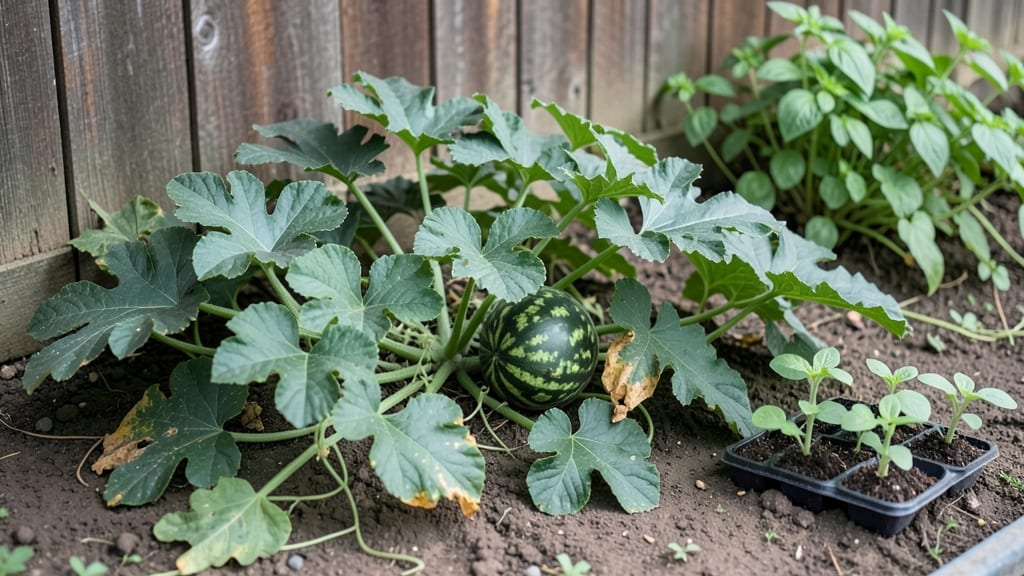
Proper watermelon seed spacing determines whether you end up with a few giant melons or a jungle of vines and tiny fruit. I’ve learned the hard way—crowding seeds leads to stunted growth, while giving them too much room wastes space.
The right spacing isn’t just about numbers; it’s about understanding how your melons will spread and how much they’ll need to thrive.
For most standard varieties, plant seeds 1-2 inches deep and 6-8 inches apart in rows that are 5-7 feet apart. That gives vines room to sprawl without competing for sunlight or nutrients.
If you’re growing smaller varieties like sugar babies, you can cut spacing to 4-5 feet between rows—they stay more compact. Containers require even tighter spacing, with 2-3 seeds per 5-gallon pot, but that’s a story for another time.
When done right, proper spacing means fewer vines fighting for resources and more energy going into fruit development. You’ll see thicker stems, larger leaves, and—most importantly—melons that reach their full potential instead of staying small and misshapen.
The key is adjusting based on your variety, soil quality, and even your local climate.
Common mistakes? Planting too close and ending up with a tangled mess, or spacing too wide in poor soil where vines struggle to establish. The solution? Start with the basics, monitor growth, and be ready to thin if needed.
With the right approach, you’ll turn your patch into a watermelon powerhouse by midsummer.
📚 In This Guide
- What you need
- Instructions
- Tips and common mistakes
- Wrapping up and next steps
What you need
- ● Watermelon seeds – Choose disease-resistant varieties (e.g., Sugar Baby, Crimson Sweet). Quantity: 2–3 seeds per hill (or 1 seed per spot if direct-sowing).
- ● Seed starter mix or potting soil (if pre-sprouting indoors) – Specs: Lightweight, well-draining blend (e.g., 50% peat moss, 30% perlite, 20% compost).
- ● Garden soil or raised bed mix – Specs: Loamy, fertile soil with pH 6.0–6.8. Amend with compost (1–2 inches mixed into top 6 inches of soil).
- ● Organic fertilizer – Options: 10-10-10 or balanced fertilizer (e.g., fish emulsion, bone meal). Rate: 1–2 lbs per 100 sq ft.
- ● Mulch – Types: Straw, black plastic, or shredded leaves (to retain moisture and suppress weeds).
- ● Watering can or hose with gentle spray nozzle – For consistent moisture without disturbing seeds.
- ○ Garden twine or string – To mark rows (optional but helpful for precision spacing).
- ● Measuring tape or ruler – For accurate watermelon seed spacing (18–24 inches apart in rows 5–6 feet apart).
- ● Plant labels & markers – To track varieties and planting dates.
- ● Seedling trays – For indoor starts (if your climate has short growing seasons).
- ● Row covers or frost cloth – To protect young seedlings from pests or late frosts.
- ● Drip irrigation system – For automated, efficient watering (especially in hot climates).
- ● Trellis or support netting – For small, climbing varieties (e.g., ‘Sugar Baby’).
- ● Soil thermometer – To ensure seeds are planted when soil temps reach 70–90°F.
Instructions for precision watermelon seed spacing
Here's the method I've used to maximize yield in tight spaces while avoiding overcrowding.
Prepare the Planting Site
Watermelons thrive in well-draining soil with a pH between 6.0 and 7.0. Work the soil to a depth of 12 inches, removing any rocks or debris that could impede root growth. I always incorporate 2 inches of compost into the top 6 inches of soil to provide organic matter and improve moisture retention. This ensures the roots have access to both nutrients and oxygen as they expand.
Choose a location that receives full sun—at least 8 to 10 hours of direct sunlight daily. Watermelons are heavy feeders, so if your soil is sandy or clay-heavy, mix in 1 cup of 10-10-10 fertilizer per 4 square feet of planting area. This gives the vines a strong start without overwhelming them later. Avoid fresh manure, which can burn young roots.
Space Seeds According to Variety
The spacing between watermelon seeds depends on the variety you're growing. For small-fruited varieties like 'Sugar Baby' or 'Tiny Tim', plant seeds 2 to 3 feet apart in rows spaced 5 to 6 feet apart. Larger varieties like 'Crimson Sweet' or 'Charleston Gray' need 4 to 5 feet between plants and 7 to 8 feet between rows. This gives the vines room to sprawl and the fruits space to develop without competing for nutrients.
Use a seed spacing template or a simple ruler to mark planting spots. I like to draw a grid on the soil surface with a stick or hose to ensure straight, even rows. Plant 2 to 3 seeds per hole, burying them 1 inch deep. Watermelon seeds germinate best in soil temperatures of 70 to 90°F, so wait until the soil has warmed to at least 60°F before planting.
Thin Seedlings to One Strong Plant
Once seedlings emerge—typically in 7 to 14 days—thin them to the strongest plant per hole. You'll know it's time to thin when seedlings have 2 to 3 true leaves and are 3 to 4 inches tall. Gently snap off weaker seedlings at the base rather than pulling them to avoid disturbing the roots of the remaining plant. This reduces transplant shock and ensures the strongest vine continues growing.
If you planted multiple seeds per hole and all germinate, keep the most vigorous seedling. Look for a plant with dark green leaves, a straight stem, and no signs of yellowing or wilting. Overcrowded seedlings compete for sunlight and nutrients, leading to smaller fruits and weaker vines. After thinning, water the remaining plants deeply to help them establish roots in the newly available space.
Train Vines for Optimal Growth
Watermelons are vining plants, and proper training encourages stronger growth and better fruit production. Once the vines reach 12 to 18 inches long, guide them along a trellis, fence, or raised bed edge using soft plant ties or old pantyhose. This prevents the vines from sprawling across the ground, which can lead to rot and pest issues. I always leave 12 to 18 inches of vine between each plant to allow for airflow and reduce disease risk.
If you're growing in a small space, consider a vertical trellis system to save room. For bush varieties, prune side shoots to encourage upward growth, but avoid heavy pruning—watermelons produce fruit on new growth. Mulch around the base of the plant with 2 to 3 inches of straw or black plastic to retain moisture, suppress weeds, and keep fruit clean and off the ground.
Monitor and Adjust for Spacing Needs
As the plants mature, watch for signs of overcrowding, such as yellowing leaves, stunted growth, or small, underdeveloped fruit. If you notice these issues, it may be time to thin further or provide additional support. For example, if two vines are growing too close together, gently separate them and guide them in different directions. This ensures each plant has access to sunlight and nutrients without competing directly with its neighbors.
Watermelons also benefit from hand-pollination if bees are scarce. On warm, dry days, gently shake the vines or use a small brush to transfer pollen from male to female flowers. Female flowers have a tiny watermelon-shaped ovary at their base, while male flowers have long stems. Proper pollination leads to larger, healthier fruit, so keep an eye out for this step once flowering begins.
Tips & tricks for precision watermelon seed spacing
These practical insights will help you optimize your planting layout for maximum yield while preventing common spacing mistakes that lead to underdeveloped fruit.
Soil Preparation Strategy: When working the soil to 12 inches deep in Step 1, pay special attention to the top 6 inches where you're adding compost. This zone is critical because watermelon roots spread horizontally rather than deeply. I recommend using a broadfork to loosen the soil without bringing up weeds from lower layers. For clay-heavy soils, mix in additional compost (up to 3 inches) to improve drainage, as waterlogged roots can stunt growth even with proper spacing.
Variety-Specific Spacing: The spacing recommendations in Step 2 are non-negotiable for fruit development, but here's how to implement them practically. For small varieties like 'Sugar Baby', use a 3-foot spacing between plants and 6-foot rows. For larger varieties, mark your planting grid with stakes at 5-foot intervals between plants and 8-foot intervals between rows. I've found that using a garden flag system with colored flags for different varieties helps prevent confusion when planting multiple types simultaneously.
Thinning Timing: In Step 3, the 7-14 day window for thinning is actually quite flexible based on your climate. In warmer regions where germination happens in 5-7 days, you might thin at the lower end of this range. Look for seedlings with the darkest green leaves and most vigorous stems - these are your winners. The key is to thin before seedlings reach 3-4 inches tall, as this is when they start competing aggressively for nutrients. I've seen dramatic yield improvements by thinning early rather than waiting.
Vine Training Insight: When training vines in Step 4, the 12-18 inch spacing between plants you maintain becomes crucial as the vines mature. This spacing prevents the foliage from touching, which reduces disease transmission. For vertical trellising, use a 3-strand system with strings at 12, 24, and 36 inches above ground to support the vines' weight. The 2-3 inches of mulch you apply should extend beyond the drip line of the mature plant to capture all falling water.
Pro Tips for Watermelon Seed Spacing
- These practical insights will help you optimize your planting layout for maximum yield while preventing common spacing mistakes that lead to underdeveloped fruit.
- Soil Preparation Strategy: When working the soil to 12 inches deep in Step 1, pay special attention to the top 6 inches where you're adding compost.
- Variety-Specific Spacing: The spacing recommendations in Step 2 are non-negotiable for fruit development, but here's how to implement them practically.
Frequently asked questions
Got questions about watermelon seed spacing?
You’re not alone! Whether you’re a first-time gardener or a seasoned grower tweaking your technique, proper spacing makes all the difference. Here are answers to the most common queries—plus a few pro tips to avoid pitfalls.
How far apart should I plant watermelon seeds?
For hill planting (common in home gardens), space seeds 6–8 inches apart within each mound, with hills 5–6 feet apart. If sowing in rows, thin seedlings to 2–3 feet apart once they sprout. Overcrowding leads to smaller fruit and disease risks.
When is the best time to thin watermelon seedlings?
Thin seedlings 1–2 weeks after germination, when they have 2–3 true leaves. Use sharp scissors to snip at soil level—avoid pulling to prevent disturbing roots. Wait until seedlings are at least 3 inches tall for easier handling and less stress.
Can I replant watermelon seeds if I miss the thinning window?
Yes! If you skip thinning, you can transplant one strong seedling per hill (gently remove weaker ones). For direct-sown seeds, replant new seeds 2–3 inches from the remaining plant—just ensure the soil is warm (at least 70°F) to avoid rot. Mulch afterward to retain moisture.
What happens if I plant watermelon seeds too close together?
Overcrowding causes stunted growth, powdery mildew, and small, misshapen fruit. Plants compete for nutrients, leading to blossom-end rot or weak vines that snap under fruit weight. If it’s too late to thin, prune excess vines to redirect energy to remaining fruit.
Are there alternatives to traditional seed spacing for small gardens?
Try container growing—plant 1–2 seeds per 5-gallon pot with a trellis for climbing varieties like ‘Sugar Baby.’ Or use square-foot gardening: place 1 seed per square foot in a 2’x2’ grid. Dwarf varieties (like ‘Tiny Tasty’) thrive in 12-inch spacing.
Pro tip: Mark your rows with toothpicks or bamboo stakes to track spacing as seedlings grow—it’s easier than guessing later!
Wrapping up and next steps
Perfecting your watermelon seed spacing is the secret to a thriving vine and a bountiful harvest! 🌱 By following the right techniques—whether you’re planting in rows, hills, or containers—you’ll give your melons the space they need to grow strong and sweet.
Now that you’ve got the know-how, it’s time to roll up your sleeves and plant with confidence.
Ready to take the next step? Start by marking your garden beds with stakes or string, then sow those seeds with care. Keep an eye on your vines, and soon, you’ll be enjoying juicy, homegrown watermelons that’ll make your neighbors jealous! 🍉✨