
Vegetables
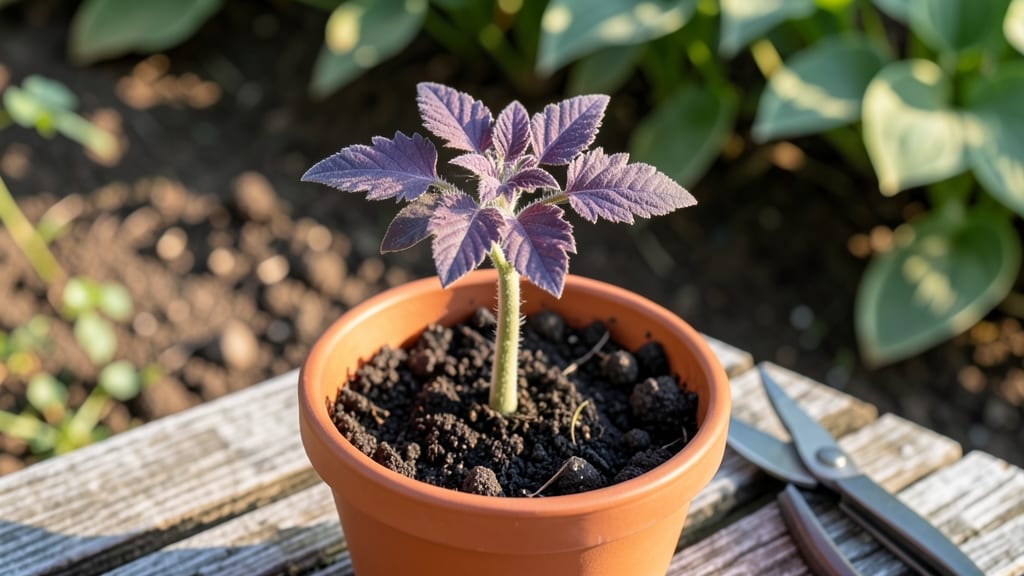
When your tomato seedlings turn purple, it’s not just a color—it’s a cry for help from your plants. 🌱 I’ve seen this happen after a cold snap, when soil pH swings, or when seedlings get too much phosphorus.
The good news? Most purple seedlings bounce back with the right adjustments, and some heirlooms even keep that stunning hue until harvest.
First, rule out temperature stress—purple often means your seedlings are struggling to process sunlight efficiently. Check your grow lights or move them closer if they’re too far.
Then test your soil: too much phosphorus (from over-fertilizing) or a pH below 6.0 can trigger purple stems. A simple soil test kit solves this in minutes.
For immediate relief, flush the soil with water to dilute excess nutrients, then switch to a balanced fertilizer like 10-10-10. Keep seedlings in 65-75°F temperatures and avoid overcrowding—good airflow prevents stress. Within a week, you’ll see green returning as the plants focus on growth instead of survival mode.
If purple persists after two weeks or you spot blackened leaves, consult a local extension office. Some heirlooms like ‘Purple Cherokee’ stay purple forever, but disease or severe deficiency needs professional help. Most cases? Just a little TLC to get them back on track.
Root Causes Of Purple Seedlings
Purple-tinged tomato seedlings aren’t always a sign of trouble—they can be a natural trait in certain heirloom varieties—but when it’s unexpected, it’s often a cry for help from your plants. Understanding the why behind this color shift is the first step to fixing it.
Below, we break down the most common culprits, from environmental stress to hidden nutrient deficiencies, with clear explanations and actionable fixes.
Purple hues in tomato seedlings are most famously linked to phosphorus overload or nitrogen starvation. Here’s how it works:
- Phosphorus Overload 💡 Phosphorus (P) is a key nutrient for root development and flowering, but too much can trigger anthocyanin production—a natural plant pigment that turns stems and leaves purple.
This often happens when: - You’re using high-phosphorus fertilizers (like bone meal or superphosphate) too early in the seedling stage. - Your soil already has excess phosphorus from previous plantings (common in gardens with heavy manure or compost use). - pH imbalances (soil too acidic or alkaline) lock out other nutrients, forcing the plant to overproduce phosphorus.
- Nitrogen Deficiency ⚠️ Nitrogen (N) is the building block of chlorophyll—the green pigment in leaves. Without enough nitrogen, seedlings struggle to produce chlorophyll, and the plant compensates by making anthocyanins (purple pigments) to protect itself from stress.
Signs of nitrogen deficiency include: - Pale or yellowing leaves (especially older ones). - Stunted growth or weak stems. - Purple stems and leaves (not just stems).
What to do?
- Flush the soil with water to dilute excess phosphorus if you suspect over-fertilization.
- Test your soil (a simple DIY kit or lab test will reveal pH and nutrient levels).
- Switch to a balanced fertilizer (like 10-10-10 or 5-5-5) and avoid high-phosphorus amendments until seedlings are established.
- Add compost or worm castings to improve soil structure and nutrient availability naturally.
Tomato seedlings are sensitive to temperature and light fluctuations, and extreme conditions can trigger purple pigmentation as a survival mechanism.
- Cold Stress ❄️ If seedlings are exposed to temperatures below 50°F (10°C), they may develop purple stems and leaves. Cold slows metabolic processes, reducing chlorophyll production and prompting anthocyanin synthesis to protect cell membranes from damage.
- Heat or Drought Stress 🔥 Conversely, intense heat or drought can cause similar purple discoloration. When seedlings don’t get enough water, they enter a stress response, producing pigments to:
- Shield leaves from excessive sunlight (like sunscreen for plants).
- Signal root damage (a cry for water).
- Insufficient Light 🌑 Weak or low-light conditions (e.g., seedlings crowded under grow lights or in shaded areas) can also lead to purple stems. Without enough light, seedlings can’t photosynthesize efficiently, leading to nutrient starvation—even if the soil is rich.
What to do?
- Move seedlings to a warmer, consistent environment (ideal day temps: 70–80°F / 21–27°C; night temps: 60–65°F / 15–18°C).
- Use a heat mat (50–60°F / 10–15°C) for cold snaps.
- Ensure proper watering—keep soil moist but not soggy (stick your finger in the soil; if the top inch is dry, water lightly).
- Adjust grow lights—seedlings need 12–16 hours of light daily. If using natural light, place them in the sunniest window or under a full-spectrum LED grow light 2–3 inches above the plants.
While less common, fungal infections, bacterial issues, or pest damage can sometimes cause purple discoloration in seedlings. Here’s how to spot them:
- Fungal Infections (e.g., Damping-Off, Fusarium Wilt) Some soil-borne fungi release toxins that disrupt nutrient uptake, leading to purple stems as a stress response. Signs include:
- Wilting despite moist soil.
- Black or mushy stems at the base (classic damping-off).
- Slow growth or collapse.
- Pest Damage (e.g., Aphids, Spider Mites) Sap-sucking pests like aphids weaken seedlings by stealing nutrients, causing stunted growth and purple stems. Check for:
- Sticky residue (honeydew) on leaves.
- Tiny webs (sign of spider mites).
- Chewed or curled leaves.
What to do?
- Isolate affected seedlings to prevent spread.
- Treat with neem oil (1 tsp per quart of water) or hydrogen peroxide spray (1 tbsp 3% H₂O₂ per cup of water) for fungal issues.
- Blast seedlings with water to knock off aphids or mites (repeat every few days).
- Use reflective mulch (like aluminum foil) to deter pests and improve light reflection.
Not all purple seedlings are a red flag!
Some heirloom or hybrid varieties are bred to have purple stems, leaves, or even fruit due to: - Anthocyanin-rich genetics (common in varieties like ‘Indigo Rose,’ ‘Black Krim,’ or ‘Purple Cherokee’). - Cold-hardy traits (some varieties naturally produce more anthocyanins in cooler weather).
How to tell if it’s genetic? ✅ Healthy growth (no wilting, yellowing, or stunted stems). ✅ Strong, vibrant leaves (not pale or curled). ✅ Variety matches description (check seed packets or plant profiles).
What to do?
- Celebrate your unique variety! If the seedlings are thriving, they’re likely just showing off their genetic quirks.
- Transplant carefully—purple-stemmed heirlooms are often hardier and may even offer antioxidant benefits in your harvest.
Fixing purple tomato seedling issues
When your tomato seedlings start showing unexpected purple hues, it’s often a sign that something needs adjusting—whether it’s in the soil, sunlight, or care routine. The good news? Most purple discolorations are easy to correct with a few targeted fixes.
Below, we’ll break down the most common causes and the practical, step-by-step solutions to restore healthy green growth. Plus, we’ll share prevention tips to keep your seedlings thriving from the start.
Purple stems or leaves usually mean your seedlings are craving phosphorus or nitrogen, two key nutrients for strong growth.
🔥 Boost Phosphorus (For Root & Flower Development)
Purple undersides or stems often signal low phosphorus.
Here’s how to fix it: - Add bone meal or rock phosphate to the soil (follow package instructions for dosage). - Use a balanced fertilizer (like 10-10-10) and apply it lightly around the base of seedlings—avoid direct contact with stems. - Compost tea is a gentle, organic way to introduce phosphorus without overloading the soil.
✨ Pro Tip: If your seedlings are tiny, dilute a half-strength liquid fertilizer (like fish emulsion) and water it in. Over-fertilizing can burn delicate roots!
💪 Correct Nitrogen Lack (For Leafy Growth) Yellowing leaves with purple veins?
Your seedlings may need more nitrogen. - Work in aged compost (1-2 inches mixed into the topsoil) for a slow-release boost. - Use a nitrogen-rich fertilizer like blood meal or alfalfa meal (sprinkle lightly and water). - Try a quick fix with Epsom salt (1 tablespoon per gallon of water) if magnesium is also a concern.
💡 Prevention: Before planting, test your soil’s pH (aim for 6.0–6.8) and amend with sulfur or lime if needed—nutrient absorption drops in acidic or alkaline soil.
Purple tinges can also appear when seedlings aren’t getting enough light or are too cold.
🍳 Increase Light Exposure
Weak, leggy seedlings with purple stems often lack 12–16 hours of sunlight daily.
- Move seedlings to a sunnier spot (a south-facing window or under grow lights if indoors).
- Rotate trays every few days so all sides get even light—prevents uneven growth.
- Use reflective surfaces (like aluminum foil on walls) to bounce extra light onto seedlings.
🌡️ Pro Tip: If using grow lights, keep them 2–4 inches above seedlings and run them for 14–16 hours/day. Too close = scorched leaves; too far = weak, purple stems.
🔥 Warm Up the Environment
Cold soil or air can stunt growth and trigger purple hues.
- Use a seedling heat mat (set to 70–75°F) if nights are chilly.
- Cover seedlings with a cloche or plastic dome to trap warmth (remove during the day to prevent overheating).
- Avoid drafts—keep seedlings away from AC vents, open windows, or garage doors.
⏰ Prevention: Start seeds indoors 6–8 weeks before the last frost in your zone. If direct-sowing, wait until soil temps reach at least 55°F.
Overwatering or underwatering can both cause stress, leading to purple discoloration.
👨🍳 Fix Overwatering Issues
Soggy soil starves roots of oxygen, turning leaves purple.
- Let the top inch of soil dry out between waterings—stick your finger in to check.
- Improve drainage by adding perlite or vermiculite to potting mix.
- Repot soggy seedlings into fresh, well-draining soil if roots are waterlogged.
🔪 Pro Tip: If you notice mushy stems or blackened roots, trim away damaged areas with sterilized scissors and replant in dry soil.
🥘 Address Underwatering
Dry soil can’t deliver nutrients, causing purple patches.
- Water deeply but infrequently—aim for 1 inch of water per week (more in heatwaves).
- Use a moisture meter to track soil dampness (keep it in the 40–60% range).
- Mulch with straw to retain moisture and regulate soil temperature.
🎯 Prevention: Water seedlings at the base (not overhead) to avoid fungal diseases like damping-off, which can mimic nutrient stress.
Purple spots or stunted growth might signal pests or pathogens.
🐛 Treat Common Pests
- Aphids or spider mites suck sap, causing purple or yellowed leaves.
- Spray with neem oil (mix 1 tsp per quart of water + a drop of dish soap).
- Blast off pests with a strong stream of water.
- Fungal issues (like early blight) can create purple-brown spots.
- Remove infected leaves immediately and dispose of them.
- Apply copper fungicide preventatively if humidity is high.
💡 Prevention: Rotate crops yearly and sterilize tools between uses to prevent disease spread.
Once your seedlings bounce back, keep them healthy with these easy maintenance habits:
- Fertilize lightly every 2–3 weeks with a balanced formula (half-strength).
- Harden off seedlings gradually before transplanting (acclimate to outdoor conditions over 7–10 days).
- Monitor soil health—add compost every season to replenish nutrients.
- Choose disease-resistant varieties (like ‘Solar Fire’ or ‘Mountain Merit’) if purple issues persist.
By tackling the root cause—whether it’s nutrients, light, water, or pests—your tomato seedlings should snap back to vibrant green in 1–2 weeks. Keep an eye on them, and soon you’ll be harvesting juicy, purple-free tomatoes instead of struggling with seedlings! 🍅✨
Frequently asked questions
Are purple tomato seedlings always a problem?
Not necessarily! Some heirloom varieties like 'Purple Cherokee' or 'Indigo Rose' naturally develop purple stems and leaves. Check your seed packet—if the variety is known for this trait and your seedlings are otherwise healthy, it's just their unique coloring. For unknown varieties, purple often signals stress or nutrient issues.
How quickly should purple seedlings turn green after fixing the issue?
With the right adjustments, you should see improvement in 3-7 days. If you corrected light, temperature, or watering, green should return within a week. For nutrient deficiencies, it may take 10-14 days as the plant recovers. If no change occurs after two weeks, consult a local extension office for soil testing.
Can I still transplant purple seedlings?
Yes, but monitor them closely after transplanting. If the purple is due to stress (cold, light issues), they'll often recover in the garden. For nutrient-related purple, amend the soil first with compost or balanced fertilizer. Avoid transplanting if seedlings are also wilted, stunted, or have blackened stems—this may indicate disease.
What's the difference between purple from cold stress vs. nutrient deficiency?
Cold stress typically causes even purple coloring on stems and leaves with no other symptoms. Nutrient deficiencies show additional signs: phosphorus overload may have dark green leaves with purple undersides, while nitrogen deficiency shows yellowing leaves with purple veins. Check soil temperature and recent fertilizer use to distinguish them.
Will my purple seedlings still produce good tomatoes?
Most likely! The color change usually affects stems/leaves, not fruit production. However, if purple persists due to severe nutrient deficiencies or disease, growth may be stunted. Healthy seedlings that turn green after correction will develop normally. Varieties bred for purple traits often produce uniquely colored fruits with excellent flavor.