
Watering
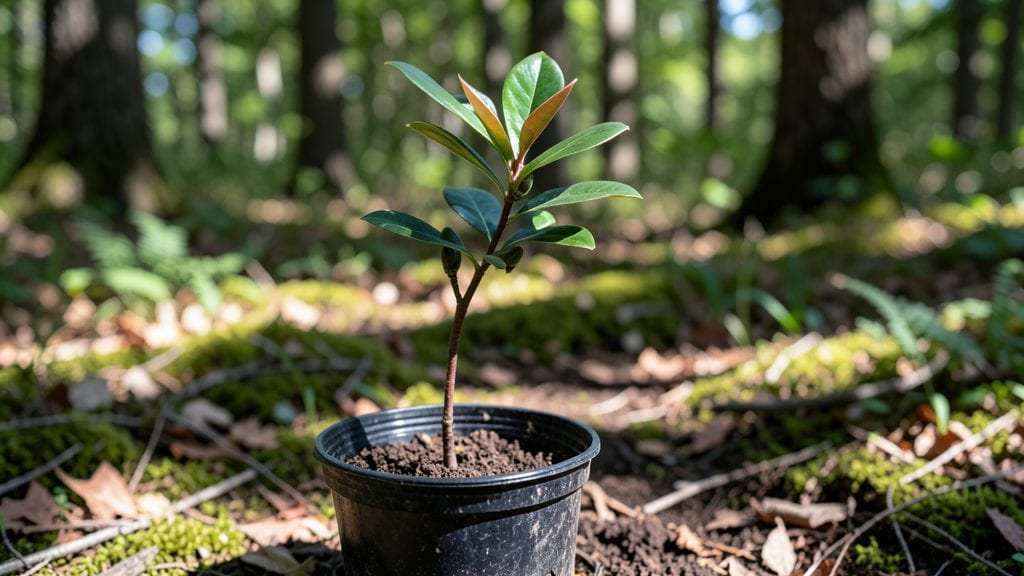
Growing a sweetbay magnolia seedling brings fragrant, evergreen beauty that thrives even when other plants struggle. ✨ I’ve nurtured these delicate seedlings through their finicky early stages, and the secret lies in patience—especially with watering and humidity.
These Southern natives reward you with glossy leaves and creamy blooms that perfume the air long after other flowers fade.
The key to success starts with the right setup: well-draining soil, partial shade, and consistent moisture without soggy roots. Most beginners overwater, thinking these tropical-looking plants need constant dampness. In reality, they prefer their soil to stay lightly moist but never waterlogged—think of a wrung-out sponge, not a swamp.
A simple potting mix with perlite works wonders for seedlings.
By summer’s end, you’ll watch your seedling develop thicker stems and those signature dark green leaves that stay vibrant year-round. The first flush of fragrant blooms arrives in late spring, and with proper care, your magnolia will outlive you—literally.
These trees are built to last decades with minimal fuss once established.
Whether you’re starting from seed or transplanting a nursery seedling, the early months are about protecting tender growth from harsh winds and temperature swings. A little extra attention now means decades of shade, fragrance, and wildlife-friendly foliage. Let’s get those roots settled right from the start.
📚 In This Guide
- What you need
- Instructions
- Tips and common mistakes
- Wrapping up and next steps
What you need
- ● Sweetbay magnolia seedling (1-2 plants, depending on spacing needs)
- ● Well-draining potting mix (5-10 gallons, depending on pot size)
- ● Garden soil (if planting outdoors, amend with compost for fertility)
- ● Organic mulch (2-3 inches, such as pine straw or shredded bark)
- ● Slow-release fertilizer (balanced 10-10-10 or acid-loving plant formula)
- ● Watering can or hose with a gentle spray nozzle
- ● Trowel or hand shovel (for digging and transplanting)
- ● Garden gloves (to protect your hands)
- ● Pruning shears (for trimming dead or overgrown branches)
- ● Measuring tape or ruler (to ensure proper spacing)
- ○ Garden stakes and twine (optional, for support if needed)
- ● Soil pH tester (to ensure acidic soil, ideal for magnolias)
- ● Drip irrigation system (for consistent moisture)
- ● Epsom salt (for magnesium boost, if leaves show deficiency)
- ● Tree guard or protective wrap (to shield from pests or harsh weather)
How to plant and care for a sweetbay magnolia seedling
Here's the straightforward approach I use to get these fragrant evergreens thriving with almost no fuss.
🪴 Step 1: Choose the Perfect Planting Location
Sweetbay magnolias love shade to partial sun—think 4-6 hours of filtered light daily. I always plant mine under tall deciduous trees where they get morning sun but afternoon shade. The key is avoiding harsh afternoon rays that can scorch delicate new growth.
Dig a hole twice as wide as the root ball but only as deep as the container it came in. Loosen the soil at the bottom of the hole with your fingers to encourage root spread. If your soil is heavy clay, mix in a few handfuls of compost from the 2 gallons of compost to improve drainage.
🌱 Step 2: Plant with Gentle Handling
Remove the seedling from its container and gently loosen any circling roots with your fingers. Place it in the hole so the top of the root ball sits 1 inch below the surrounding soil level—this prevents stem rot from sitting water. Fill around the roots with native soil, pressing lightly to eliminate air pockets.
I always water deeply right after planting to settle the soil and remove any air gaps. Use 2 gallons of water slowly poured around the base, not directly on the trunk. This first watering helps the roots make immediate contact with moist soil.
☀️ Step 3: Mulch and Water Consistently
Spread 2-3 inches of mulch over the soil surface, keeping it 6 inches away from the trunk. I use pine straw because it mimics the natural forest floor where these trees thrive. Mulch helps retain moisture and keeps roots cool in summer.
Water once weekly during the first growing season, giving 2 gallons each time. You'll know it's enough when water drips from the bottom of the hole—this ensures roots get thoroughly soaked. After establishment, they're quite drought-tolerant but still appreciate regular watering.
✂️ Step 4: Prune for Shape and Health
Prune only to remove dead or crossing branches in late winter or early spring. I never cut more than 25% of the plant's foliage at once—these trees handle pruning poorly. Use clean, sharp pruners to make cuts just above a leaf node where new growth can emerge.
The real beauty of sweetbay magnolias is their natural shape. If you must shape it, do so gradually over several years. The fragrant leaves and delicate flowers reward minimal intervention—this is a tree that thrives on neglect once established.
Tips & tricks for perfect sweetbay magnolia planting
A few simple strategies will help your fragrant evergreen thrive with minimal effort—no green thumb required.
Location is Everything: That 4-6 hours of filtered light is non-negotiable. If you don't have existing shade trees, consider planting near a north-facing wall or under a patio cover. I've seen these trees struggle when exposed to more than 2 hours of direct afternoon sun—leaves turn yellow and crispy within weeks.
Root Care Matters: When loosening circling roots in Step 2, be gentle but thorough—these roots are delicate and can tear easily. I like to use my fingers to separate them like unraveling a ball of yarn. The goal is to encourage outward growth, not damage the root system. This single step makes all the difference in long-term health.
Mulch Like a Pro: That 2-3 inches of mulch isn't just decoration—it's insulation. Spread it evenly but keep it clear of the trunk to prevent moisture buildup that causes rot. I always use pine straw because it mimics the natural forest floor where these trees evolved. For heavy clay soil, consider adding another inch of mulch to improve moisture retention.
Watering Wisdom: The 2 gallons per week during the first year might seem like a lot, but it's crucial. Water slowly at the base rather than splashing leaves to prevent fungal diseases. I test if I've watered enough by checking if water drips from the bottom of the hole—this ensures thorough saturation without overwatering.
Pro Tips for Sweetbay Magnolia Seedling
- A few simple strategies will help your fragrant evergreen thrive with minimal effort—no green thumb required.
- Location is Everything: That 4-6 hours of filtered light is non-negotiable.
- Root Care Matters: When loosening circling roots in Step 2, be gentle but thorough—these roots are delicate and can tear easily.
Frequently asked questions
How often should I water my sweetbay magnolia seedling?
Water your seedling deeply 2–3 times per week during the first year, ensuring the soil stays consistently moist but not soggy. Once established (after 1–2 years), it thrives on rainfall alone—just monitor for wilting or dry soil. Pro tip: Mulch around the base to retain moisture and protect roots!
When is the best time to plant a sweetbay magnolia seedling?
The ideal window is late fall or early spring (before the heat of summer or frost). This gives roots time to establish before extreme weather. If planting in summer, water daily and provide afternoon shade to reduce stress. Avoid transplanting during dormancy (winter) unless necessary.
Can I grow a sweetbay magnolia from seed, or should I buy a seedling?
While possible, growing from seed is slow and unpredictable—it can take 5+ years for the tree to mature. For faster, reliable results, buy a 1–2 year-old seedling from a reputable nursery. Seedlings also have a higher survival rate and start flowering sooner (typically 3–5 years).
What pests or diseases should I watch for with sweetbay magnolia seedlings?
Keep an eye out for scale insects, spider mites, and magnolia scale (sticky residue on leaves). For diseases, root rot (from overwatering) and powdery mildew (white fungal spots) are common. Solution: Prune affected areas, apply horticultural oil for pests, and ensure good drainage to prevent rot.
How fast does a sweetbay magnolia seedling grow?
Expect 12–24 inches per year in ideal conditions (full sun to partial shade, well-drained soil). Growth slows in shady or nutrient-poor soil. With patience, your seedling can reach 15–25 feet tall in 10–15 years. Fun fact: Mature trees live for centuries—so your care now pays off for generations!
Wrapping up and next steps
Growing a sweetbay magnolia seedling is a rewarding journey that brings year-round elegance with minimal fuss! 🌿 Its glossy leaves, fragrant blooms, and adaptability make it a standout choice for both beginners and seasoned gardeners. With the right care—like consistent moisture and well-draining soil—you’ll enjoy its beauty for decades.
Ready to watch your seedling thrive? Take the next step by planting it in a sunny spot, keeping it hydrated, and protecting it from harsh winds. Before you know it, your garden will be graced with the sweetbay’s timeless charm! 🌸