
Pruning
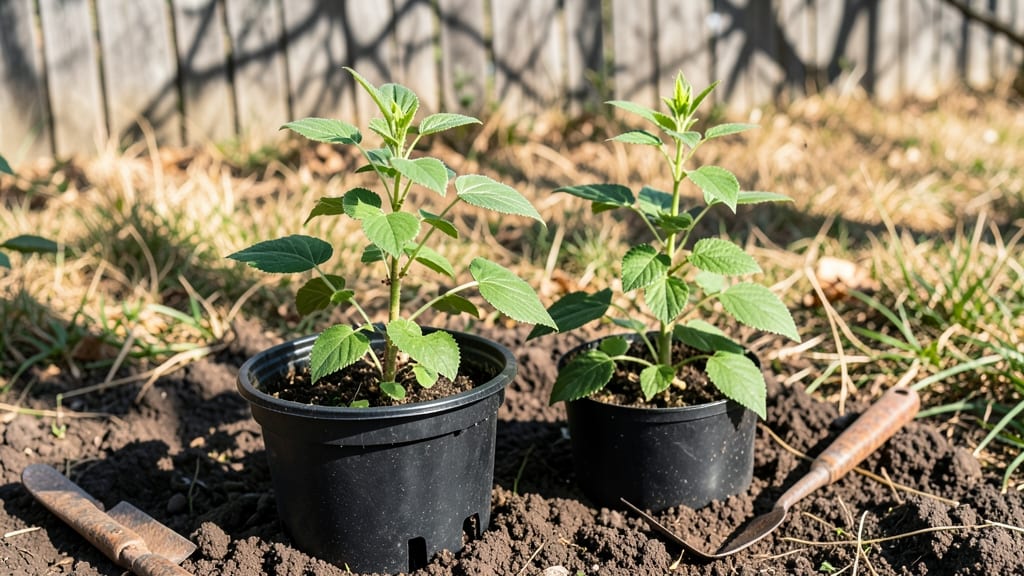
The sumac tree seedling you planted this spring could be a lush, berry-laden centerpiece by next summer—if you prune it right from the start. I learned the hard way that skipping early pruning turns sumac into leggy, sparse shrubs that take forever to fill out.
The key is shaping those first branches while they're still tender, which encourages dense growth and heavy fruit production.
You'll need just three things: sharp pruners, a sunny spot with well-draining soil, and about 15 minutes every few weeks. Sumac thrives in poor soil and drought once established, but seedlings need consistent moisture and protection from strong winds.
The first pruning happens when your seedling hits 12 inches tall—pinch back the top set of leaves to encourage branching. Every cut you make now will multiply into fuller growth later.
By late summer, you'll see the difference: instead of a single tall stem, you'll have a bushy base with multiple branches reaching for the sky. Those branches will bear clusters of bright red berries by next fall, and the plant will start outpacing its neighbors.
The secret weapon? Pruning young sumac isn't about shaping—it's about teaching the plant to grow wide instead of tall.
This method works for all sumac varieties, from the dwarf varieties that stay under 6 feet to the towering staghorn types. Even in dry climates, sumac responds well to this approach—just avoid heavy pruning after early summer, or you'll delay next year's fruit. Let's get those seedlings growing like wildfire.
📚 In This Guide
- What you need
- Instructions
- Tips and common mistakes
- Wrapping up and next steps
What you need
- ● Pruning shears – Bypass pruners (sharp, 6-8” blades) for clean cuts on small branches (required).
- ● Loppers – Bypass or anvil type (8-12” blades) for thicker branches (1-2” diameter) (required).
- ○ Pruning saw – Curved-tooth or folding saw for branches thicker than 2” (optional but handy).
- ● Gloves – Heavy-duty, cut-resistant (e.g., leather or synthetic blend) to protect from thorns and sap (required).
- ● Disinfectant – 70% isopropyl alcohol or bleach solution (1 part bleach to 9 parts water) to sterilize tools between cuts (required for disease prevention).
- ○ Rubbing alcohol or hand sanitizer – For cleaning hands after pruning (optional but recommended).
- ● Pruning sealant – Tree wound paint or pruning wax (controversial but useful for large cuts to prevent disease entry).
- ● Extension pole – Adjustable or fixed (for hard-to-reach branches, 3-6 ft long).
- ● Ladder – Sturdy, non-slip (if your sumac is taller than 6 ft).
- ○ Trash bags or bucket – For collecting pruned branches and debris (optional but convenient).
- ● Notebook & pen – To sketch a quick pruning map or note growth patterns (great for beginners!).
- ● ✅ Know your sumac type – Staghorn, fragrant, or smooth? Research its natural growth habits to prune effectively.
- ● ✅ Check the weather – Prune on a dry, cloudy day (avoid extreme heat or frost).
- ● ✅ Gather safety gear – Long sleeves, closed-toe shoes, and eye protection (if working near thorny branches).
- ● ✅ Plan your cuts – Sketch a rough outline of branches to remove or shape (aim for 1/3 of the plant’s total foliage max).
Instructions for fast-growth pruning of sumac tree seedlings
Here’s how to coax rapid, bushy growth from your sumac seedlings—no waiting years for full form.
Identify and Prepare Your Seedling
Start with a healthy sumac seedling that’s at least 12 inches tall with 3-4 sets of leaves. Look for a straight central stem and multiple side branches—these are your building blocks. If your seedling is leggy (stretched with few branches), it’s already behind. Don’t worry, though; pruning now will correct that.
Grab your pruning shears and sanitize them with rubbing alcohol. This prevents disease from spreading to your young plant. Work on a clear day when the air is dry—sumac sap can be sticky, and wet conditions make cleanup harder. You’ll want to prune in early spring, just as new growth begins, or in late winter before buds swell. This timing ensures you’re shaping the plant before it puts all its energy into vertical growth.
Prune for a Bushy Shape
Your goal is to encourage multiple strong branches rather than one tall stem. Start by cutting back the central leader—the main vertical stem—by one-third of its height. For a 12-inch seedling, that means trimming it down to 8 inches. This shock might seem harsh, but it forces the plant to send out side branches from the base, creating a fuller, more stable structure.
Next, remove any weak or crossing branches. Weak branches are thin, brittle, or growing inward. Crossing branches rub against each other, creating wounds that invite disease. Cut these back to the nearest outward-facing bud or branch junction. You’ll end up with a seedling that looks like a stubby bush rather than a pole—this is exactly what you want for fast, bushy growth.
Encourage New Growth with Strategic Cuts
Look for lateral buds—those small bumps along the stem where branches could grow. These are your secret weapon for rapid bushiness. Use your shears to make a clean cut just above a lateral bud, angled slightly away from it. This ensures water runs off the cut and doesn’t pool, which could rot the stem.
If your seedling has water sprouts—those fast-growing, vertical shoots that pop up in the middle of branches—remove them entirely. They drain energy from the plant without contributing to a bushy form. Focus on keeping 3-5 strong, outward-facing branches per seedling. These will become the backbone of your mature sumac’s shape.
Maintain and Monitor Growth
After pruning, water your seedling deeply to help it recover. The roots will need moisture to support the new growth you’ve encouraged. Keep the soil evenly moist but not soggy for the next 2-3 weeks. You’ll notice new shoots emerging from the lateral buds within 3-4 weeks—this is your reward for the bold pruning.
Continue monitoring your seedling monthly. In its second year, repeat the pruning process but this time, focus on thinning out any branches that are too close together. Space them 6-8 inches apart to allow airflow and reduce competition for nutrients. This step ensures your sumac doesn’t grow too dense, which can lead to disease or weak fruit production later on.
Protect and Prepare for Fruit Production
By the time your sumac reaches 3-4 feet tall, it should be a multi-stemmed bush with a strong, open center. This structure is ideal for fruit production—sumac’s bright red clusters thrive on branches that receive good airflow. If you notice any branches growing straight up from the base, prune them back by half to maintain balance.
Here’s the thing—sumac is resilient, but it responds best to consistent care. Avoid heavy pruning in fall or winter, as the plant needs energy to store for next year’s growth. Instead, focus on light shaping in early spring. With this method, you’ll have a bushy, fruitful sumac in just 2-3 years, not the 5-7 years it might take with traditional growing methods.
Tips & tricks for perfect sumac tree seedling pruning
Fast-growing sumac starts with the right pruning approach—here’s how to accelerate that bushy form without sacrificing health.
Timing is Everything: The early spring window (just as buds begin to swell) is critical for fast results. If you miss this, late winter before bud break still works, but avoid pruning after new growth appears—this disrupts the plant’s energy storage for next year. I’ve seen seedlings that got pruned in summer struggle to recover, so stick to those two ideal times for maximum regrowth.
Precision Cuts Create Bushiness: When you cut back that central leader to one-third its height (8 inches for a 12-inch seedling), make the cut just above a lateral bud at a 45-degree angle. This angled cut prevents water from pooling on the wound, which could lead to rot. I’ve made this mistake before—flat cuts left water sitting, and those stems eventually died back. The angle makes all the difference for healthy regrowth.
Water Sprouts Are Growth Sabotage: Those fast-growing vertical shoots in the middle of branches might seem harmless, but they’re energy vampires. Remove them completely—they don’t contribute to bushiness and can actually weaken the plant. Focus instead on developing those 3-5 strong outward-facing branches you’ll keep. Think of water sprouts as the plant’s way of wasting energy on vertical growth instead of horizontal branching.
Second-Year Maintenance Matters: In its second year, when you’re spacing branches 6-8 inches apart, don’t be afraid to be aggressive with thinning. Dense growth leads to poor airflow, which invites fungal diseases. I’ve seen sumac seedlings that got too crowded develop leaf spot issues—something you definitely want to avoid. The open center you’re creating now will pay off big time when it comes to fruit production later.
Pro Tips for Sumac Tree Seedling
- Fast-growing sumac starts with the right pruning approach—here’s how to accelerate that bushy form without sacrificing health.
- Timing is Everything: The early spring window (just as buds begin to swell) is critical for fast results.
- Precision Cuts Create Bushiness: When you cut back that central leader to one-third its height (8 inches for a 12-inch seedling), make the cut just above a lateral bud at a 45-degree angle.
Frequently asked questions
Got questions about growing and pruning sumac tree seedlings? You’re not alone! Here are some of the most common concerns—plus straightforward answers to keep your plant thriving.
When is the best time to plant a sumac tree seedling?
Plant your seedling in early spring or fall when temperatures are mild. This gives roots time to establish before extreme heat or cold. Avoid planting in summer—sumac seedlings struggle with drought stress and may not survive transplant shock.
How often should I prune a young sumac tree?
Prune once a year in late winter or early spring to shape the plant and encourage bushiness. Focus on removing dead, diseased, or crossing branches first. For seedlings, light pruning (10-20% of growth) is enough—avoid heavy cuts, which can stress young plants.
Why is my sumac seedling turning yellow or dropping leaves?
Yellowing leaves (chlorosis) or leaf drop often signal overwatering, poor drainage, or nutrient deficiency. Check soil moisture—sumac prefers well-draining soil and tolerates drought better than soggy conditions. If leaves are crispy, it may be underwatered; if mushy, it’s likely root rot.
Can I grow sumac from seed instead of a seedling?
Yes! Sumac grows easily from fresh seeds (harvested in fall). Scrub the pulp off, dry the seeds, and plant them in fall or early spring. However, seedlings from nurseries grow faster and are less prone to pests. If starting from seed, expect 2-3 years before fruiting.
Are sumac seedlings prone to pests or diseases?
Sumac is generally pest-resistant, but watch for aphids, spider mites, or scale insects on young plants. Treat infestations early with neem oil or insecticidal soap. Fungal issues like powdery mildew can occur in humid climates—ensure good airflow and avoid overhead watering to prevent problems.
Wrapping up and next steps
Growing a sumac tree seedling into a lush, fruitful plant is totally within your reach—just remember: timing, technique, and patience are your best friends! 🌱 With the right pruning habits, you’ll encourage rapid growth and a bounty of vibrant berries.
Now that you’re armed with the know-how, grab those shears and get pruning—your future sumac’s health (and your future snacks!) will thank you.
Ready to take it further? Experiment with different pruning angles or try propagating cuttings to expand your sumac family. Happy gardening!