
Lawn
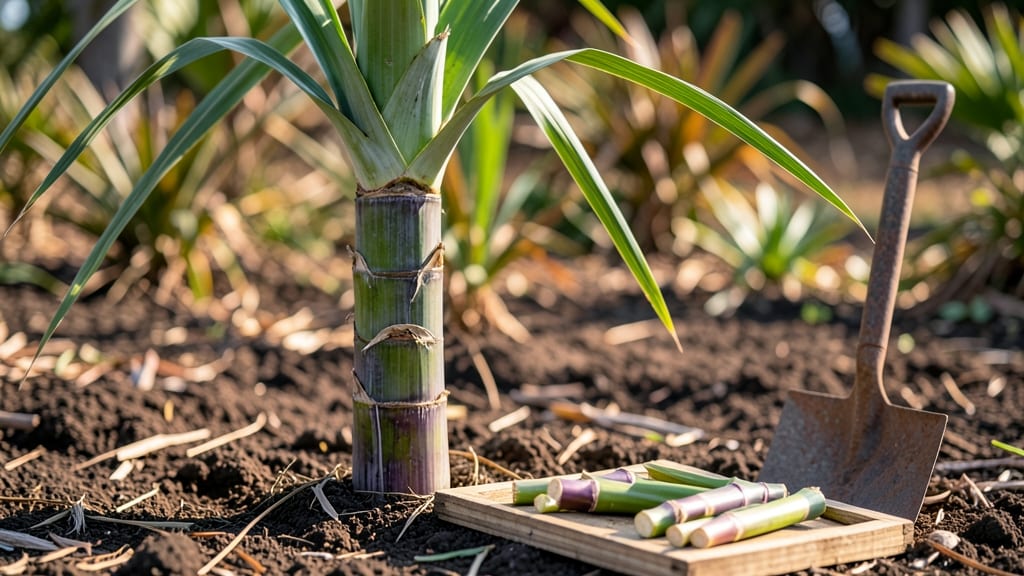
Planting sugarcane from seed canes means vibrant tropical landscapes in just 6-8 weeks—faster than most gardeners expect. 🌱 I’ve watched stubborn stalks push through soil within weeks, turning bare ground into a lush, rustling screen that hummingbirds adore.
The trick isn’t just sticking a cane in dirt; it’s choosing the right one and giving it the perfect start.
You’ll need healthy seed canes—thick, green stalks with at least 3-4 buds—and soil that drains well but holds moisture. Sugarcane thrives in heat and humidity, so if you’re in zones 10-12, you’re already halfway there.
Even in cooler areas, a greenhouse or warm microclimate works. The key is patience in the early weeks while roots establish.
By summer’s end, you’ll have towering stalks that sway in the breeze, perfect for privacy screens or dramatic borders. The first harvest gives sweet, crunchy shoots for snacks, and the second year?
That’s when it truly shines—taller, fuller, and impossible to ignore. Just watch out for pests like borers or fungal spots; a quick spray of neem oil keeps them at bay.
Works in containers too, so even small spaces can get that tropical vibe. Here’s how to make it happen without the guesswork—no green thumb required.
📚 In This Guide
- What you need
- Instructions
- Tips and common mistakes
- Wrapping up and next steps
What you need
- ● Sugarcane seed cane: 5–10 healthy, disease-free stalks (12–18 inches long, with 2–3 buds per stalk). Pro tip: 💡 Buy from a reputable supplier or harvest from mature, pest-free plants!
- ● Well-draining soil: 10–15 cubic feet of sandy loam or tropical garden soil (pH 5.5–7.5). Mix in compost (1 part compost to 3 parts soil) for nutrients.
- ○ Containers (optional): 5-gallon pots or nursery trays (if propagating indoors first). Ensure pots have drainage holes!
- ● Watering can or hose: With a gentle spray nozzle for even moisture.
- ● Pruners or sharp knife: For trimming seed cane to the right length.
- ○ Rooting hormone (optional): A small bottle (e.g., Clonex) to boost germination speed.
- ● Mulch: Straw or wood chips (3–4 inches thick) to retain moisture and suppress weeds.
- ● Sunlight: Full sun (6+ hours daily). Sugarcane thrives in warm climates (75–95°F).
- ● Water source: Access to regular watering (sugarcane loves moisture but hates waterlogging!).
- ● Warmth: Soil temperature should be at least 70°F for planting. Use a soil thermometer if unsure! ✨
- ● Fertilizer: Slow-release balanced fertilizer (10-10-10) or organic options like banana peel tea.
- ● Shade cloth: For young seedlings if planting in intense midday sun.
- ● Trellis or stakes: If growing tall varieties (for support as they mature).
- ● pH test kit: To monitor soil acidity (adjust with lime or sulfur if needed).
Step-by-Step instructions for germinating sugarcane seed cane
Here's the quick method I use to get sugarcane growing strong in just weeks.
🌱 Step 1: Prepare Your Seed Cane and Planting Area
Start by selecting healthy, mature sugarcane stalks with at least 3-4 buds each. Cut them into 12-18 inch sections, ensuring each piece has 2-3 buds—these are the growth points where new shoots will emerge. Let the cuttings dry in a shady spot for 1-2 days to prevent rot.
While they dry, prepare your planting area. Sugarcane thrives in well-draining soil with a pH of 6.5-7.5. Mix 2 gallons of potting mix with 1 cup of compost in a 12-inch deep container or directly in the ground if planting outdoors. The soil should feel moist but not soggy when squeezed—like a damp sponge.
💧 Step 2: Soak and Plant the Seed Cane
Before planting, soak your prepared seed cane pieces in lukewarm water for 6-12 hours. This jumpstarts germination by softening the outer layer and encouraging root growth. After soaking, remove the cuttings and let excess water drain for 30 minutes—you don’t want them waterlogged when planted.
Plant each piece 2-3 inches deep, with the buds facing upward. Space them 18-24 inches apart if planting multiple stalks, as sugarcane spreads quickly. Press the soil gently around the base to secure the cane without compacting it too much. Water lightly immediately after planting to settle the soil.
☀️ Step 3: Provide Warmth and Consistent Moisture
Sugarcane germinates fastest in warmth, ideally between 75-85°F. If planting outdoors in cooler climates, use a clear plastic tunnel or row cover to trap heat. Indoors, place containers near a south-facing window or under a grow light for 12-14 hours daily. You’ll see sprouts in 2-4 weeks—watch for tiny green shoots pushing through the soil.
Keep the soil evenly moist but never waterlogged. Stick your finger 1 inch deep into the soil—if it feels dry, water gently at the base. Avoid wetting the leaves to prevent fungal diseases. Once shoots reach 4-6 inches tall, reduce watering slightly to encourage stronger root development.
⏰ Step 4: Transition to Outdoor Conditions (If Applicable)
If growing outdoors, harden off your sugarcane after 4-6 weeks of indoor growth. Start by moving pots to a shaded, sheltered spot for 1-2 hours daily, gradually increasing exposure over 7-10 days. This helps the plants adjust to direct sunlight, which sugarcane loves once established.
Once hardened off, transplant outdoors in full sun (at least 6-8 hours daily). Dig a hole twice as wide as the root ball and 1 inch deeper than the container. Water deeply after planting to help roots settle. Mulch around the base with 1-2 inches of organic mulch to retain moisture and regulate soil temperature.
🌿 Step 5: Maintain Growth for a Fast, Lush Harvest
Sugarcane grows rapidly once established—expect 1-2 feet of growth per month in ideal conditions. Fertilize lightly every 4-6 weeks with a balanced, water-soluble fertilizer (like 10-10-10) to encourage strong, sweet stalks. Avoid over-fertilizing, as sugarcane is sensitive to excess nitrogen.
Watch for pests like sugarcane borers or diseases such as smut. Remove affected stalks immediately and treat with neem oil if needed. With proper care, you’ll have harvest-ready cane in 6-12 months, depending on your climate and growing conditions.
Tips & tricks for perfect sugarcane germination
Fast germination is all about timing and care—here's how to give your sugarcane the best start.
Bud Placement Matters: In Step 1, when cutting your 12-18 inch sections, make sure each piece has 2-3 buds facing upward. These buds are your growth points, and proper placement ensures faster sprouting. I've found that cutting at a slight angle just below a bud helps prevent rot while keeping the growth zone exposed.
Soaking Strategy: The 6-12 hour soak in Step 2 is crucial for breaking dormancy. Use lukewarm water (around 85°F) to encourage root growth without shocking the cane. After soaking, I recommend draining for exactly 30 minutes—any longer risks drying out the cut ends before planting. This balance jumpstarts germination without compromising the planting process.
Heat Control for Speed: Sugarcane thrives between 75-85°F, so if you're in a cooler climate, create a microclimate using clear plastic tunnels or row covers. For indoor growers, position containers near south-facing windows or under grow lights for 12-14 hours daily. I've seen sprouts appear in just 2 weeks under these ideal conditions—double the speed of cooler environments.
Watering Wisdom: In Step 3, maintain even moisture by checking soil dampness 1 inch deep. The key is consistent moisture without waterlogging—think "damp sponge" texture. Once shoots reach 4-6 inches, reduce watering slightly to strengthen roots. I've noticed that overwatering at this stage can lead to weak stalks, while proper moisture balance produces sturdy growth ready for outdoor transition.
Pro Tips for Sugarcane Seed Cane
- Fast germination is all about timing and care—here's how to give your sugarcane the best start.
- Bud Placement Matters: In Step 1, when cutting your 12-18 inch sections, make sure each piece has 2-3 buds facing upward.
- Soaking Strategy: The 6-12 hour soak in Step 2 is crucial for breaking dormancy.
Frequently asked questions
Got questions about using sugarcane seed cane to kickstart your tropical landscape? You’re not alone! Here are some of the most common queries—and their straightforward answers—to help you grow with confidence.
What’s the best time of year to plant sugarcane seed cane?
Plant your sugarcane seed cane in spring or early summer when temperatures are consistently warm (above 70°F/21°C). This gives roots time to establish before cooler weather arrives. Avoid planting in frost-prone areas—sugarcane is tropical and hates cold! If you’re in a short-season climate, opt for a greenhouse start.
How long does it take for sugarcane seed cane to germinate?
Germination is fast—usually 7 to 14 days under ideal conditions (warm soil, moisture, and partial shade). Keep the soil consistently damp (not soggy) and watch for tiny sprouts emerging from the nodes. If nothing appears after 3 weeks, check for rot or poor drainage—adjust and try again!
Can I use sugarcane seed cane for both ornamental and edible purposes?
Yes! Sugarcane seed cane is versatile—it’s prized for its lush, bamboo-like foliage (great for privacy screens or tropical accents) and its edible stalks (harvest young shoots for juice or syrup). Just note: Not all varieties are edible, so confirm the type before consuming. For landscapes, focus on ornamental grades like ‘Red Stripe’ or ‘Yellow’ for vibrant color.
What should I do if my sugarcane seed cane turns yellow or wilts?
Yellowing or wilting often signals overwatering, underwatering, or pests. First, check the soil—it should be moist but not waterlogged. If roots are mushy, you’ve got rot (reduce water and improve drainage). For pests (like aphids or borers), spray with neem oil or insecticidal soap. No improvement in a week? Test for fungal issues or nutrient deficiencies (add compost or a balanced fertilizer).
Are there alternatives to sugarcane seed cane for fast-growing tropical plants?
If sugarcane isn’t your style, consider these fast-growing tropical alternatives:
- Bamboo (e.g., Bambusa vulgaris): Similar height and density, but invasive—plant in containers if needed.
- Elephant Grass (Pennisetum purpureum): Bold clumps, drought-tolerant, and great for screens.
- Giant Reed (Arundo donax): Hardy and architectural, but aggressive—best for large properties.
- Palm Trees (e.g., Cocos nucifera): Slower but iconic for coastal areas.
Sugarcane seed cane wins for speed and edibility, but these options work for pure ornamentation.
Wrapping up and next steps
Choosing sugarcane seed cane for your tropical landscape is a smart move—it’s fast-growing, hardy, and perfect for adding lush greenery with minimal fuss! 🌿 Whether you’re a beginner or a seasoned gardener, these starter pieces make propagation simple and rewarding.
Now that you’re armed with the right knowledge, why not take the next step? Plant your seed cane today and watch your outdoor space transform into a vibrant oasis in no time.
Pro Tip: 💡 Keep an eye on moisture levels and prune regularly to encourage even growth—your tropical paradise is just a few weeks away!