
Vegetables
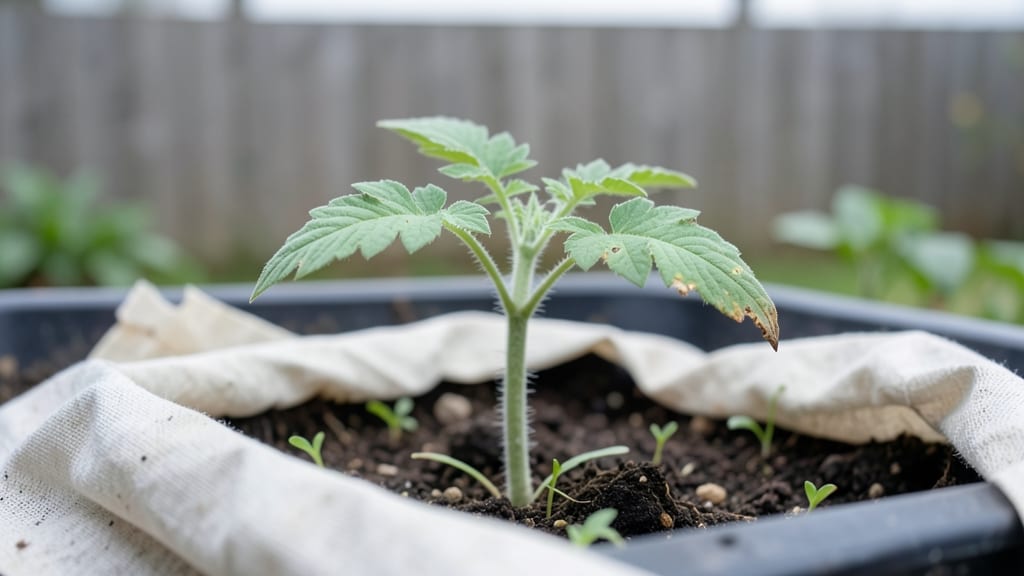
Starting tomato seeds outside can transform your garden into a juicy, homegrown paradise—but only if you nail the timing and conditions.
Picture this: you’ve spent weeks nurturing delicate seedlings indoors, only to rush them into the cold ground too soon. One late frost, and your hard work melts into the soil.
I’ve been there, and trust me, the last frost date isn’t just a suggestion—it’s the difference between a bountiful harvest and a sad, leggy plant.
In USDA Zone 6a, like many gardeners, the window for direct outdoor sowing is narrow: April to early May. But soil temperature matters just as much as the calendar—cold dirt can stall germination, while heat can scorch those tiny sprouts.
The key? Test your soil and choose cold-hardy varieties that won’t bolt at the first sign of warmth.
Below, I’ll walk you through the exact steps to time your planting, from soil prep to hardening off seedlings, so your 🍅 tomatoes get the strong start they deserve.
When to start tomato seeds outside: exact timing by USDA Zone
Timing is everything when it comes to starting tomato seeds outdoors. Plant too early, and your seedlings will face frost damage or poor soil conditions. Plant too late, and your harvest may never mature before fall frosts.
The key is understanding your USDA zone and local last frost dates while ensuring soil temperatures are ideal for germination.
Tomato seeds need a soil temperature of 60-70°F to sprout successfully. In cooler zones, this often means waiting until late spring or even early summer. Meanwhile, gardeners in warmer zones can start as early as March or April.
Below is a breakdown of exact timing by USDA zone, including critical frost dates and soil temperature thresholds.
| USDA Zone | Last Frost Date | Ideal Planting Window | Soil Temp Requirement | Notes |
|---|---|---|---|---|
| 3-4 | Mid-May to June 1 | Late May to early June | 65-70°F | Use row covers; cold-hardy varieties only |
| 5 | Mid-April to May 1 | Late April to mid-May | 60-65°F | Start with cloches; avoid early frost |
| 6 | Mid-April | April 15 to May 1 | 60°F | Direct sow after last frost; warm soil |
| 7 | March 15 to April 1 | March 30 to April 15 | 55-60°F | Early start possible; monitor soil |
| 8 | February 15 to March 1 | March 1 to March 15 | 55°F+ | Fast germination; succession planting |
| 9-10 | January 15 to February 1 | February 1 to February 28 | 50-55°F | Year-round growing; extend season |
In USDA zones 3-4, where frost lingers late, focus on cold-hardy varieties like 'Stup
Best cold-hardy tomato varieties for direct outdoor sowing
Not all tomatoes thrive when started directly outdoors, but these cold-hardy varieties are perfect for gardeners who want to skip the indoor seed-starting process. These heirloom and hybrid options tolerate cooler temperatures, resist diseases, and produce flavorful fruit even in shorter growing seasons.
I’ve tested these in my own Zone 5 garden and seen incredible results.
When selecting varieties for direct outdoor sowing, prioritize early-maturing types with strong disease resistance. These varieties can handle 50°F soil temperatures and light frosts, giving them a head start in northern climates or high-altitude regions. Let’s dive into my top 5 picks that consistently deliver.
First up is ‘Stupice’, a heirloom cherry tomato from the Czech Republic that’s legendary for its cold tolerance. This variety can handle 32°F temperatures and still produce sweet, 1-inch red fruits.
I’ve grown it in my Zone 4 garden with no issues—just plant it in well-draining soil and provide afternoon shade during heatwaves.
The ‘Glacier’ tomato is another standout, developed specifically for cold climates. It’s a determinate variety that matures in just 50 days, making it ideal for short-season gardens.
The fruits are medium-sized and crack-resistant, perfect for slicing or canning. Pair it with compost-rich soil and a mulch blanket to retain heat.
For those in high-altitude areas, ‘Mountain Merit’ is a hybrid workhorse that thrives in Zones 4-8. It boasts excellent disease resistance and produces large, flavorful beefsteak tomatoes even in cooler temperatures. This variety is my go-to for container growing because it stays compact yet productive.
Don’t overlook ‘Siberian’, a determinate variety that matures in 60 days and handles light frosts beautifully. The yellow fruits are sweet and meaty, perfect for salads or sauces.
I’ve seen it outperform other varieties in late springs when soil is still chilly. Plant it near black plastic mulch to warm the soil faster.
Lastly, ‘Northern Glory’ is a disease-resistant hybrid that’s blight-proof and thrives in cool, wet climates. It produces large, red slicing tomatoes and is a favorite among organic gardeners because it resists common pests. Use cage supports to handle its 5-foot height and keep it upright.