
Container Gardens
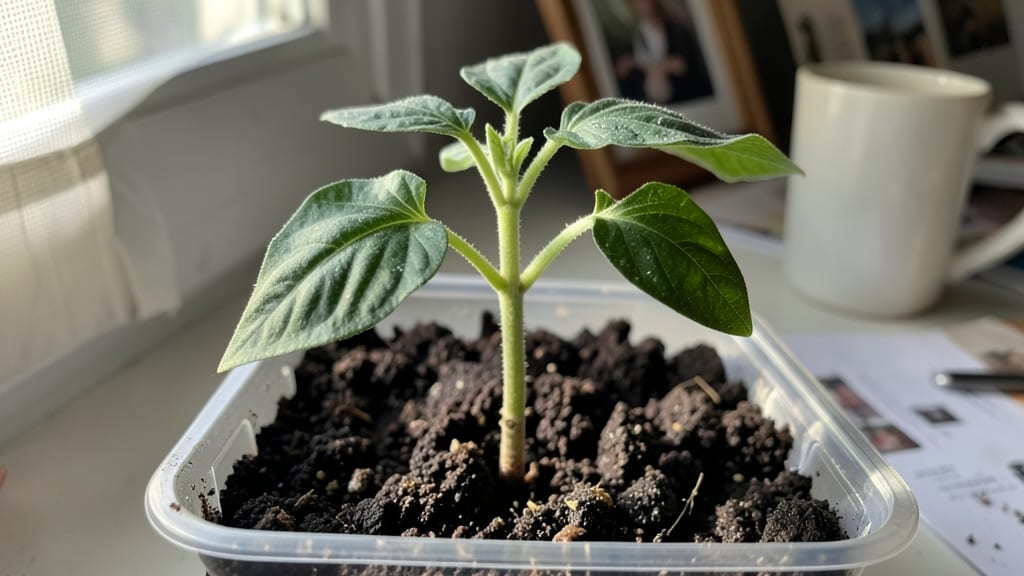
A seedling not growing often points to just three culprits: light, water, or soil—and fixing them is easier than you’d think. I’ve nursed back more limp seedlings than I’d admit, and the fixes always come down to these basics.
The good news? You can spot the problem just by looking at the leaves (or lack thereof).
Most seedlings stall because they’re either drowning in soggy soil or thirsting for moisture they can’t reach. Overwatering smothers roots, while underwatering leaves them weak and yellow. Then there’s light—too little and they stretch like they’re searching for the sun, too much and they scorch.
And don’t overlook soil: compacted or nutrient-poor dirt will choke growth before it starts. The fix for each is simpler than you think.
Start by checking the soil—it should feel like a damp sponge, not a swamp or a brick. Move the seedling to a brighter spot (but not direct midday sun) and adjust your watering to just keep the top inch moist.
Within days, you’ll see new growth pushing through if the roots are still alive. If not, it’s time to replant fresh seeds—sometimes the soil just isn’t forgiving.
This isn’t just about saving one seedling; it’s about building a rhythm with your plants. Once you master these three checks, your seedlings will go from struggling to thriving in no time. Let’s turn that limp sprout into something strong—starting today.
Root Causes Holding Back Growth
When your seedling refuses to grow, it’s often a silent cry for help—your little green friend is telling you something’s off. 🌱 Before you panic, let’s break down the real culprits behind stunted growth, so you can diagnose and fix the issue with confidence.
Light is the fuel for photosynthesis, the process that turns water and CO₂ into energy for your seedling. Without enough—or the right—light, growth grinds to a halt.
- Too little light leads to etiolation: leggy, weak stems that stretch desperately toward any available light source.
The leaves may turn pale or yellowish, and the seedling may even flop over. - Too much direct sun (especially in hot climates) can scorch tender seedlings, causing crispy edges or bleached spots.
This stress halts growth as the plant focuses on survival. - Incorrect spectrum: Seedlings need blue light (for compact growth) and red light (for energy production). Artificial grow lights that lack balance can leave seedlings weak.
Actionable fix: Move seedlings to a bright, indirect light spot (like a north-facing window) or use a full-spectrum LED grow light 12–16 inches above the plant for 12–16 hours daily.
Water is life—but too much or too little sends your seedling into shock. Roots need oxygen to grow, and waterlogged soil suffocates them.
- Overwatering causes:
- Root rot (fungal/bacterial infections in soggy soil).
- Nutrient starvation (excess water flushes away essential minerals).
- Stunted roots that can’t absorb water or nutrients efficiently.
- Underwatering leads to:
- Wilted, crispy leaves (the plant conserves water by slowing growth).
- Shallow root systems that struggle to reach moisture.
- Nutrient deficiencies (dry soil locks up minerals).
Actionable fix:
- Check soil moisture by sticking your finger 1 inch deep—if it’s dry, water; if it’s damp, wait.
- Use well-draining soil (like a mix of potting soil + perlite) and terracotta pots (which dry faster than plastic).
- Water at the base (not overhead) to avoid fungal diseases.
Even the best seedlings need the right food to grow. Poor soil quality or imbalances can leave your plant starving—even if it’s getting light and water.
- Lack of nitrogen (N) → Slow leaf growth, yellowing lower leaves (chlorosis).
- Phosphorus (P) deficiency → Purple stems/leaves, weak roots (critical for early growth).
- Potassium (K) shortage → Weak stems, poor disease resistance.
- Compacted or infertile soil → Roots can’t spread, limiting nutrient uptake.
- pH imbalances (too acidic/alkaline) → Nutrients become locked, even if they’re in the soil.
Actionable fix:
- Test your soil (DIY kits or lab tests) to check pH (ideal: 6.0–7.0 for most seedlings).
- Amend soil with:
- Compost (for organic matter).
- Balanced fertilizer (like 5-5-5 or fish emulsion) at half-strength to avoid burning.
- Worm castings for gentle, slow-release nutrients.
- Repot if roots are circling (a sign of root-bound stress).
Seedlings are delicate thermometers—too hot, too cold, or sudden swings throw their metabolism off balance.
- Too cold (<50°F/10°C) → Slow metabolism, stunted growth, or chilling injury (blackened leaves).
- Too hot (>85°F/29°C) → Transpiration stress (leaves wilt to conserve water), root damage.
- Drafts or temperature fluctuations → Shock, forcing the plant to divert energy to survival instead of growth.
- High humidity without airflow → Fungal diseases (like powdery mildew), which weaken the plant.
Actionable fix:
- Keep seedlings in a consistent 65–75°F (18–24°C) range.
- Use a heat mat (for cool climates) or shade cloth (for hot days).
- Ensure gentle airflow (a small fan on low) to strengthen stems and prevent mold.
Tiny invaders can sap energy from your seedling before you even notice.
Common culprits: - Aphids, spider mites, or thrips → Sticky leaves (honeydew), yellowing, or distorted growth. - Fungal infections (like damping-off) → Seedlings collapse at the soil line (a classic sign). - Root-knot nematodes → Gnarled, stunted roots that can’t absorb water.
Actionable fix:
- Inspect leaves daily for pests (use a magnifying glass if needed).
- Spray with neem oil (natural pesticide/fungicide) or insecticidal soap at the first sign of trouble.
- Sterilize tools/pots with 10% bleach solution to prevent soil-borne diseases.
- Avoid overcrowding (poor airflow = pest paradise).
Not all seedlings grow at the same pace—some are just slowpokes!
- Some plants (like tomatoes or peppers) have a long germination period (2+ weeks) before sprouting.
- Dwarf varieties naturally grow slower than their giant cousins.
- Leggy seedlings (from poor light) may never recover their compact form.
Actionable fix:
- Check seed packets for expected growth rates.
- Thin seedlings if overcrowded (competition slows growth).
- Accept the timeline: Some plants take their sweet time—patience is key!
Quick Fixes for Stalled Seedlings
When your seedlings seem stuck in neutral, the right adjustments can get them back on track—fast. Below are targeted solutions for the most common causes, paired with simple fixes and prevention tips to keep your green babies thriving. Think of this as your emergency repair kit for tiny plants!
Problem: Leggy, pale seedlings or ones that flop over like drunk toddlers? They’re begging for more light. Solution:
- Move them closer 🔥 – Place seedlings 2–4 inches from a grow light (LED or fluorescent) or within 1–2 feet of a sunny windowsill. South-facing windows are ideal in the Northern Hemisphere.
- Extend daylight 🕒 – Seedlings need 12–16 hours of light daily. Use a timer for grow lights to automate this.
- Rotate daily 🌀 – Turn trays ¼ turn each day to prevent uneven growth toward the light.
Prevention Tip: Start with the right light setup from day one. If natural light is weak (e.g., winter or shaded areas), invest in a budget-friendly grow light ($20–$50) to avoid leggy disasters.
Problem: Yellow leaves, mushy stems, or seedlings that smell like a swamp? Overwatering steals oxygen from roots, suffocating growth. Solution:
- Check the soil 🧵 – Stick your finger 1 inch deep; water only if the topsoil feels dry. Overwatering is the #1 killer of seedlings!
- Upgrade your pots 🏺 – Use containers with drainage holes and saucers (empty excess water after 10 minutes). Terracotta pots wick away moisture faster than plastic.
- Water wisely 💦 – Use a spray bottle or watering can with a gentle stream to avoid displacing seeds. Aim for the soil, not the leaves.
Prevention Tip: Mix perlite or vermiculite (20–30%) into your seed-starting soil to improve drainage. A 50/50 blend of potting mix and coco coir also works wonders.
Problem: Soil that’s like concrete or lacks nutrients? Seedlings can’t stretch their roots to reach food or oxygen. Solution:
- Fluff the soil 🏗️ – Gently loosen the top ½ inch with a chopstick or your finger to aerate roots. Avoid disturbing seeds!
- Fertilize lightly 🌱 – Once seedlings sprout true leaves (not the initial seed leaves), use a diluted liquid fertilizer (half-strength, like 5-5-5 or fish emulsion). Over-fertilizing burns tender roots.
- Repot if needed 🪴 – If soil is rock-hard or waterlogged, transplant seedlings into fresh, well-draining mix (see prevention tip below).
Prevention Tip: Skip garden soil—it’s too dense and full of pathogens. Use a sterile seed-starting mix (like Pro Mix or Fox Farm) and avoid compost-heavy blends until seedlings are stronger.
Problem: Chewed leaves, black spots, or webbing? Tiny invaders or fungi are stealing your seedlings’ energy. Solution:
- Spot-treat pests 🐞 – For aphids or spider mites, spray with neem oil solution (1 tsp neem oil + 1 tsp mild soap in 1 quart water). Repeat every 3–4 days.
- Prevent fungal issues 🍄 – If leaves look yellow with brown edges, it’s likely damping off. Improve airflow by thinning seedlings (leave only the strongest 1–2 per cell) and avoid overhead watering.
- Quarantine new plants 🚫 – Before adding seedlings to your garden, inspect them for pests. Keep them isolated for 3–5 days to monitor.
Prevention Tip: Sterilize tools with rubbing alcohol before use, and rotate crops yearly to prevent soil-borne diseases.
Problem: Seedlings wilting or growing super slow? They might be too hot or cold. Solution:
- Find the Goldilocks zone 🌡️ – Ideal temps: 65–75°F (18–24°C) daytime, 55–65°F (13–18°C) nighttime. Use a seedling heat mat ($10–$20) if your home runs cold.
- Avoid drafts 🌬️ – Keep seedlings away from AC vents, doors, or windows that open to cold air.
- Use a mini greenhouse 🏠 – Cover trays with plastic wrap or a humidity dome to retain warmth and moisture (remove once sprouts appear).
Prevention Tip: Place seedlings on a heat mat during germination (especially for slow starters like peppers or tomatoes) to speed up sprouting.
If your seedlings are severely stunted (e.g., from overwatering or disease), try this emergency transplant:
- Snip off any blackened stems or mushy roots with clean scissors.
- Repot into fresh, sterile soil with perlite for drainage.
- Water lightly and place in bright, indirect light for 3–5 days.
- Wait for new growth—healthy roots will regenerate in 7–10 days.
Pro Tip: 💡 Document your fixes! Keep a seedling journal with dates, light/water changes, and growth notes. It’s the fastest way to spot patterns and prevent future stalls.
Remember: Patience is key—seedlings grow in stages, not overnight. With these fixes, you’ll have stocky, vibrant plants ready for transplanting in 3–6 weeks! 🌱✨
Frequently asked questions about stalled seedlings
Why do my seedlings look healthy but refuse to grow?
Even with green leaves, seedlings may stall due to root-bound stress or nutrient exhaustion. Check if roots are circling the pot—this chokes growth. Also, some plants like tomatoes or peppers have long germination periods (2+ weeks) before visible growth. If soil feels dry or compacted, roots can't access moisture or nutrients efficiently.
How can I tell if my seedling is dead or just dormant?
Gently tug on the stem—if it pulls out easily with no resistance, the seedling is dead. A healthy seedling will have white, firm roots (if you carefully remove it from soil). If roots are black/mushy, it's rotted from overwatering. If roots are brown and shriveled, it's dehydrated. Wait 3–5 days before giving up—some seedlings recover!
Can I save a seedling that's been underwatered for a week?
Act fast! Soak the pot in room-temperature water for 10–15 minutes, then let it drain completely. Move to bright, indirect light and water only when the top ½ inch of soil feels dry. If leaves are crispy, trim the damaged parts with clean scissors. Recovery takes 5–7 days, but if roots are completely dry and brittle, replant fresh seeds.
What's the fastest way to fix leggy seedlings?
Move them 2–4 inches closer to a grow light (or 1 foot from a sunny window) and rotate the tray quarter-turn daily to prevent leaning. Use a full-spectrum LED light for 14–16 hours/day. For immediate results, pinch off the top ¼ inch of the stem—this encourages bushier growth. Within 3–5 days, you’ll see compacted stems.
Should I fertilize a seedling that isn't growing?
Only if it has true leaves (not the initial seed leaves). Use a very diluted fertilizer (¼ strength) like fish emulsion or a 5-5-5 mix. Over-fertilizing burns tender roots. Instead, focus on soil aeration—gently loosen the top ½ inch with a chopstick to help roots breathe. Fresh, well-draining soil often works better than fertilizer for stalled seedlings.