
Pruning
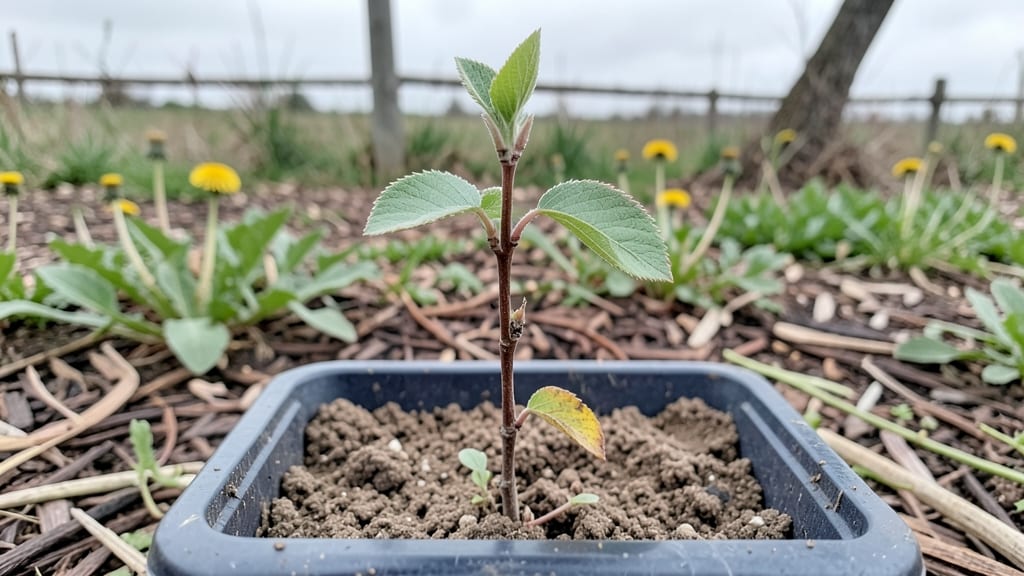
Growing a seedling cherry tree from scratch in small spaces is possible—if you know the dwarf variety secrets that make all the difference. 🌱 I’ve nurtured these delicate starts through their first year, and the key lies in the soil, sunlight, and pruning timing that most guides skip over.
The right dwarf variety thrives in containers or tight yards, but it demands well-draining soil mixed with compost and a sunny spot (at least 6 hours of light daily). Water deeply once a week, then taper off as roots establish—overwatering is the #1 killer of young trees.
Prune in late winter to shape the tree before spring growth begins.
By summer, you’ll see sturdy branches and the first signs of blossoms (or fruit, if it’s a fruiting variety). The secret to long-term success? Winter protection—wrap the trunk in burlap and mulch heavily to shield from freezing winds.
Pests like aphids love new growth, so spray with neem oil early if you spot sticky leaves.
This method works for patios, balconies, or even large pots—just pick a variety like ‘Stella’ or ‘Compact Stella’ for guaranteed small-space results. The payoff? A tree that fits your space without sacrificing beauty or fruit. Let’s get those roots growing strong.
📚 In This Guide
- What you need
- Instructions
- Tips and common mistakes
- Wrapping up and next steps
What you need
- ● Seedling cherry tree: Choose a dwarf variety (e.g., Stella®, Lapins®, or Montmorency) from a reputable nursery. 1 plant is perfect for small spaces!
- ● Well-draining potting mix: 5 gallons of a blend designed for fruit trees (or mix 60% garden soil, 30% compost, 10% perlite).
- ● Container or planting hole: Container option: A 15–20 gallon pot with drainage holes (terracotta or fabric grow bags work great).
- ● In-ground option: Dig a hole twice as wide and slightly shallower than the root ball.
- ● Fertilizer: A balanced, slow-release fertilizer (e.g., 10-10-10) or organic options like fish emulsion or compost tea.
- ● Mulch: 2–3 inches of organic mulch (wood chips, straw, or shredded bark) to retain moisture and suppress weeds.
- ● Pruning tools: Bypass pruners (for clean cuts on small branches).
- ● Loppers (for thicker branches, if needed).
- ● Sharp pruning saw (for any stubborn growth).
- ● Watering can or hose with a gentle nozzle: 1–2 gallons of water per watering session.
- ● Garden gloves: To protect your hands while handling soil and tools.
- ● Tree stakes and ties (if planting in windy areas).
- ● Slow-release watering system (e.g., drip irrigation or soaker hose).
- ● Espalier wires (for training dwarf trees along fences or walls).
- ● Plant food with high potassium (e.g., 5-10-10) for fruiting support.
- ● Pest control: Neem oil or insecticidal soap (preventative measure).
Step-by-Step instructions for growing a dwarf cherry tree from seedlings
Here's how to nurture a sturdy, fruit-bearing dwarf cherry tree in limited space.
🌱 Step 1: Select and Prepare the Right Spot
Choose a location with 6-8 hours of full sun daily—dwarf varieties need sunlight just like their full-sized cousins. I always test the spot first by placing a white board where the tree will go; if it's shaded for more than 2 hours at midday, the tree won't thrive. Dwarf cherries tolerate a range of soils but prefer well-draining loam. If your soil is heavy clay, amend with 2-3 inches of compost mixed into the top 12 inches of soil.
Dig a hole twice as wide as the root ball but only as deep. This encourages roots to spread horizontally rather than settling too low. Loosen the sides of the hole with a shovel to prevent compacting when you backfill. The top of the root ball should sit 1-2 inches above ground level—this prevents water from pooling around the trunk.
🪴 Step 2: Plant the Seedling Correctly
Remove the seedling from its container and gently tease apart the roots if they're circling. You'll see this as roots growing in tight loops—snip any that are wrapped around the root ball with clean pruners. Place the seedling in the hole so the graft union (the bump near the base) is 2-3 inches above ground level. This protects the tree from disease and ensures strong growth above the graft.
Backfill with the native soil, tamping down gently in layers to eliminate air pockets. Water deeply until the soil is moist 12 inches down. You'll know it's right when water drains freely from the bottom of the hole. Mulch with 2-3 inches of wood chips, keeping it 3 inches away from the trunk to prevent rot.
☀️ Step 3: Water and Fertilize for Strong Growth
Water your dwarf cherry deeply once a week during the first growing season, providing 1-2 gallons per watering. Shallow watering encourages weak roots, so always water until the soil is moist 12 inches down. You'll see this by checking with a screwdriver—if it slides in easily, you're good. Avoid overhead watering, which can spread fungal diseases like brown rot.
Fertilize in early spring with a balanced 10-10-10 fertilizer, applying ½ cup per tree. Spread it evenly in a circle 12 inches from the trunk and water it in. Dwarf varieties need less fertilizer than full-sized trees—overfeeding can lead to excessive leaf growth at the expense of fruit production. Repeat in mid-summer if new growth slows.
✂️ Step 4: Prune for Shape and Fruit Production
Prune your dwarf cherry in late winter or early spring before buds swell. Remove any dead, diseased, or crossing branches first—these compete with healthy growth. Next, thin out branches to improve airflow; aim for an open center that lets light reach the inner canopy. You'll see strong branches have a pencil-thick diameter and form a natural vase shape.
Cut back any suckers that grow from below the graft union—these are vigorous shoots that drain energy from your tree. Prune back to just above a outward-facing bud. Limit pruning to 25% of the tree's canopy in any one season to avoid stress. Thin out fruit clusters to 6-8 cherries per cluster once they're ½ inch in diameter—this ensures larger, sweeter fruit.
⏰ Step 5: Protect and Maintain Through Seasons
In late fall, apply a 2-inch layer of mulch around the base, keeping it clear of the trunk. This insulates roots from winter cold. Wrap the trunk with tree guard if your winters drop below 10°F—this prevents rodent damage. You'll know it's working when you see no gnaw marks on the bark in spring.
Monitor for pests like aphids or spider mites by checking the undersides of leaves weekly. Treat with neem oil if you spot sticky residue (honeydew) or webbing. Dwarf cherries are more susceptible to disease due to their dense growth, so remove any fallen fruit promptly to prevent fungal spread. With consistent care, your tree will bear fruit in 3-5 years—small but delicious rewards for your patience.
Tips & tricks for perfect dwarf cherry tree growth
Here's what I've learned from years of growing dwarf cherry trees in small spaces—these tricks make all the difference.
Sunlight Secret: That 6-8 hour daily sun requirement is non-negotiable, but here's the thing: morning sun is more important than afternoon. Position your tree to catch those first rays, especially if you're in a shaded area. I've seen trees struggle when they miss morning sun—leaves get weak and yellow. If your spot gets only 4-5 hours of sun, consider a larger container with wheels so you can move it seasonally.
Root Ball Rescue: When you're teasing apart those circling roots in Step 2, don't just cut them—make clean, angled cuts with sharp pruners. This encourages new root growth. I've ruined three seedlings by snipping too close to the main root, so trust me on this: leave at least ¼ inch of root attached to each cut. The goal is to loosen, not amputate.
Watering Wisdom: The once-weekly deep watering is perfect, but here's the catch: your soil type matters. Sandy soil drains too fast—check moisture every 3-4 days instead. Clay soil holds water too long—wait until the top 4 inches are dry before watering again. I keep a screwdriver handy to test moisture levels at that 12-inch depth mentioned in the instructions.
Fertilizer Timing: That early spring application of ½ cup 10-10-10 is spot-on, but don't forget about micronutrients. Dwarf cherries need zinc and boron for fruit production. I add a teaspoon of zinc sulfate and a pinch of borax to the fertilizer in spring, and my trees produce sweeter cherries. Just mix it right into that ½ cup measurement—no need for extra steps.
Pro Tips for Seedling Cherry Tree
- Here's what I've learned from years of growing dwarf cherry trees in small spaces—these tricks make all the difference.
- Sunlight Secret: That 6-8 hour daily sun requirement is non-negotiable, but here's the thing: morning sun is more important than afternoon.
- Root Ball Rescue: When you're teasing apart those circling roots in Step 2, don't just cut them—make clean, angled cuts with sharp pruners.
Frequently asked questions
Got questions about growing a seedling cherry tree in small spaces?
Here are answers to the most common ones—so you can plant with confidence!
How long does it take for a seedling cherry tree to bear fruit?
A seedling cherry tree (especially dwarf varieties) typically takes 3–5 years to produce fruit after planting. Patience is key—focus on proper care (water, sunlight, and pruning) to encourage early blooms. Some grafted dwarf cherries may fruit sooner, but seedling-grown trees take longer.
When is the best time to plant a seedling cherry tree?
The ideal time is late fall or early spring (before buds swell). Avoid extreme heat or frost. For dwarf varieties, planting in spring lets you monitor soil health and adjust care as needed. If you must plant in summer, water deeply daily for the first 2 weeks to reduce transplant shock.
Can I grow a seedling cherry tree in a container?
Yes! Dwarf seedling cherry trees thrive in large containers (15+ gallons) with drainage holes. Use well-draining potting mix and repot every 2–3 years. Place in full sun and ensure the container stays moist but not soggy. Just remember: container-grown trees may need extra winter protection in cold climates.
What are the most common pests for seedling cherry trees, and how do I prevent them?
Watch for aphids, Japanese beetles, and spider mites. Use neem oil or insecticidal soap for mild infestations. For beetles, handpick them or use row covers. Prune infected branches promptly and encourage beneficial insects like ladybugs. A healthy tree (with balanced water/fertilizer) resists pests better!
Do dwarf seedling cherry trees need winter care?
Yes! Even dwarf varieties benefit from mulching (3–4 inches) and wrapping the trunk with burlap in harsh winters. Prune damaged branches in early spring. If growing in containers, move pots to a sheltered spot or insulate with straw. Young trees are most vulnerable—don’t skip this step!
Wrapping up and next steps
Growing a seedling cherry tree—especially a dwarf variety—is a rewarding way to bring sweet, vibrant fruit to even the smallest spaces! 🌱 With the right pruning techniques, you’ll ensure healthy growth, abundant blooms, and delicious harvests for years to come.
Whether you’re a beginner or a seasoned gardener, every trim brings you closer to that perfect, fruit-bearing canopy.
Now that you’re armed with the secrets to dwarf cherry success, it’s time to roll up your sleeves and get pruning! Start with your first cut, and soon, your little tree will be thriving—and maybe even sharing its bounty with neighbors. Happy growing! 🍒✂️