
Planting
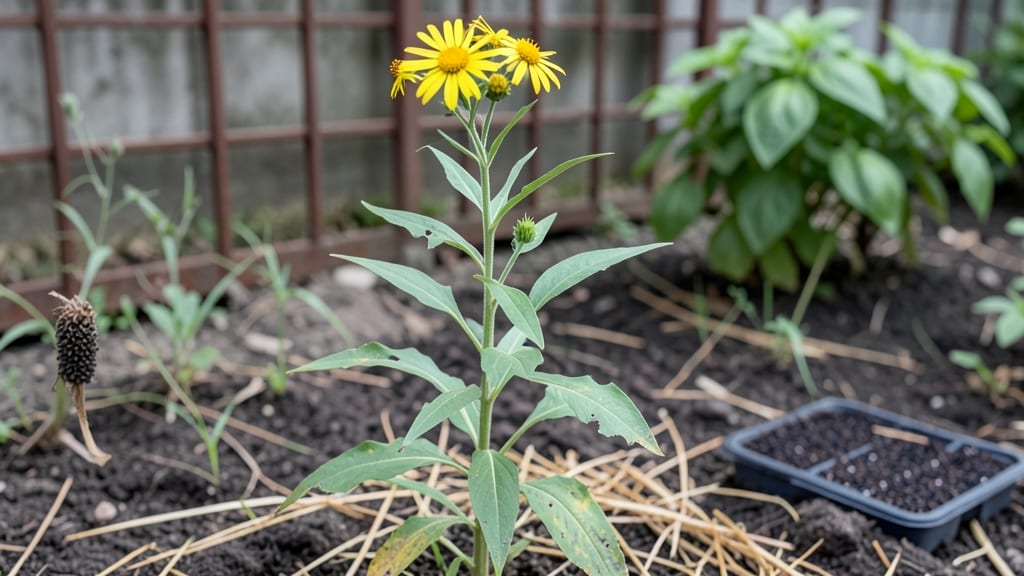
Planting Niger seeds unlocks fast germination—some sprout in just 3-5 days—if you nail the soil moisture and warmth. I’ve watched these tiny seeds turn into towering, velvety canopies in under three months, and the key starts with a damp, warm seedbed that mimics their tropical roots.
The right conditions aren’t just about speed; they’re about setting your plants up to shade out weeds and grow 10+ feet tall in a single season.
You’ll need a spot with full sun (6+ hours daily) and soil that drains well but stays consistently moist—think 60-70°F for best results. Niger thrives in warm climates but can handle brief cool snaps if the soil stays warm.
A 1/4-inch deep planting with seeds spaced 6-12 inches apart gives them room to spread without crowding. Water gently after sowing, then keep the soil damp (not soggy) until germination. The first true leaves appear quickly, and that’s when the real magic begins.
Once those seedlings pop, you’ll notice glossy, dark-green leaves within days, signaling vigorous growth. Niger’s fast start means you can interplant with slower crops or use it as a living mulch to suppress weeds naturally.
The plants stay lush even in heat waves, making them perfect for summer shade or quick erosion control. With proper care, you’ll have a dense, fragrant canopy by midsummer—ideal for borders, wildlife habitat, or even edible oil production in warmer zones.
Here’s the thing—Niger’s speed works against it too. It bolts quickly in cooler weather, so plant after your last frost or in late spring. In tropical areas, you can sow year-round, but always prioritize warm soil.
The secret to lush growth isn’t complicated: keep it warm, keep it moist, and let it stretch. Ready to turn a patch of sun into a towering green oasis?
📚 In This Guide
- What you need
- Instructions
- Tips and common mistakes
- Wrapping up and next steps
What you need
- ● Niger seeds: 1–2 tbsp (or ~30–50 seeds, depending on desired density). Opt for Guizotia abyssinica for best results.
- ● Well-draining soil: 5–10 lbs of lightweight potting mix (e.g., 60% peat/coir, 30% perlite, 10% compost). Avoid heavy clay soil.
- ● Containers or garden bed: For seedlings: 4–6" deep pots (3–4 per seedling) or seed trays with drainage holes.
- ● For direct sowing: A sunny garden plot (6"–12" spacing between seeds) or large raised beds.
- ● Watering can or spray bottle: With a fine rose nozzle for gentle hydration.
- ○ Plant labels (optional but helpful): To track germination dates and varieties.
- ● Gloves: Lightweight gardening gloves to protect hands from soil.
- ● Trowel or seed starter kit: For digging small holes (¼" deep) or sowing in trays.
- ● Clear plastic wrap or humidity dome: To create a mini greenhouse effect (speeds up germination!).
- ○ Grow lights (optional): LED bulbs (12–16 hrs/day) if natural light is <7 hours/day.
- ● Fertilizer (post-germination): Balanced 10-10-10 or compost tea for established seedlings.
- ● Temperature: 65–85°F (18–29°C) for germination; avoid frost.
- ● Sunlight: Full sun (6+ hours/day) for robust growth.
- ● Moisture: Keep soil consistently moist (not soggy) until seeds sprout.
Step-by-step instructions for planting niger seeds
Here’s how to get those seeds sprouting in record time—no waiting months for a sky-high canopy.
Prepare the Soil for Maximum Germination Speed
Niger seeds need warmth and loose soil to break dormancy fast. Fill your containers with 2 gallons of potting mix—I like a blend that’s 60% peat-based mix and 40% perlite for aeration. Moisten it until damp but not soggy; squeeze a handful—it should hold together without dripping. Niger seeds germinate best at 75-85°F, so if your soil runs cooler, place the container on a seedling heat mat.
Real talk: Niger seeds are tiny, so don’t skimp on prep. Level the soil surface with a small rake or your fingers, then lightly press it down. This ensures even contact with the heat source and prevents seeds from sinking too deep—burying them more than ¼ inch slows germination by forcing seedlings to push through extra soil.
Sow Seeds Strategically for Even Growth
Scatter 1 teaspoon of niger seeds evenly across the soil surface—don’t press them in. Niger seeds are lightweight, so a gentle shake over the container works best. Aim for 10-15 seeds per square foot if planting densely. Cover them with a thin layer of vermiculite (just enough to obscure the seeds) to retain moisture without smothering them.
Here’s the thing—niger seeds need light to germinate, so avoid pressing them into the soil. Instead, mist the surface with a spray bottle until the vermiculite looks uniformly damp. Place the container under a grow light (or in a warm, sunny window) immediately after sowing. You’ll see the first sprouts in 3-5 days if conditions are perfect.
Maintain Ideal Conditions for Rapid Sprouting
Keep the soil consistently moist but never waterlogged—niger seeds rot faster than they sprout if overwatered. Use a spray bottle to mist the surface daily until you see 50% germination, then switch to bottom-watering to avoid disturbing the delicate seedlings. Niger seeds thrive in high humidity, so cover the container with a clear plastic dome or wrap it in plastic wrap until sprouts appear.
Watch for the first true leaves—these will be small and round, unlike the initial cotyledons. Once they appear, remove the cover immediately to prevent fungal issues. Niger seedlings grow fast, so don’t let them outgrow their space. Thin to 4-6 inches apart when they reach 2 inches tall, using sharp scissors to avoid damaging roots.
Transition to Outdoor Conditions Safely
After 2-3 weeks, when seedlings are 3-4 inches tall with 3-4 sets of true leaves, it’s time to harden them off. Move the container to a shaded outdoor spot for 1-2 hours the first day, gradually increasing exposure over 5-7 days. Niger plants handle heat well but need time to adjust to direct sun—start with morning sun only before moving to full exposure.
Once hardened off, transplant to your final location, spacing plants 6-12 inches apart depending on your desired density. Niger thrives in full sun but tolerates partial shade in hot climates. Water deeply 2-3 times per week once established, letting the soil dry slightly between waterings to encourage deep root growth.
Tips & tricks for planting niger seeds
These game-changing strategies will help you achieve rapid germination and a thriving niger seed canopy in record time—without waiting months for results.
Soil Temperature Precision: The 75-85°F range is critical for breaking dormancy quickly. If your home environment falls below 75°F, invest in a small seedling heat mat—these maintain consistent warmth without requiring constant monitoring. I’ve seen germination rates double when using one compared to room temperature alone. For even faster results, place your container on top of a refrigerator (not inside) to create a warm microclimate without overheating.
Light Exposure Strategy: Niger seeds need light to germinate, so avoid pressing them into the soil. Instead, create a mini greenhouse effect by placing a clear plastic dome over the container immediately after sowing. This traps humidity while allowing light penetration. Remove the cover as soon as you see the first true leaves appear—typically within 3-5 days—to prevent fungal growth. The key is maintaining that delicate balance between moisture and airflow.
Thinning Technique: When thinning seedlings to 4-6 inches apart, use sharp scissors to cut at soil level rather than pulling. This minimizes root disturbance and prevents damaging neighboring plants. I’ve found that seedlings recover faster when you make clean cuts rather than uprooting them completely. Time your thinning for when seedlings reach 2 inches tall—this gives them enough strength to handle the process while still being small enough to manage easily.
Hardening Off Schedule: The 5-7 day hardening off period is essential for transplant shock prevention. Start with just 1-2 hours of shaded exposure on day one, then gradually increase by 1-2 hours each subsequent day. Niger plants are heat-tolerant, but sudden full-sun exposure can cause leaf scorch. I recommend using a shade cloth during the first few days of outdoor exposure to ease the transition—this simple step can make the difference between healthy plants and stressed seedlings.
Pro Tips for Plant Niger Seeds
- These game-changing strategies will help you achieve rapid germination and a thriving niger seed canopy in record time—without waiting months for results.
- Soil Temperature Precision: The 75-85°F range is critical for breaking dormancy quickly.
- Light Exposure Strategy: Niger seeds need light to germinate, so avoid pressing them into the soil.
Frequently asked questions
Got questions about planting Niger seeds? You’re not alone! Here are some of the most common queries—plus quick, actionable answers to help you grow a thriving crop.
How long does it take for Niger seeds to germinate?
Niger seeds typically sprout within 5–10 days under ideal conditions (warm soil, 70–90°F, and consistent moisture). For faster results, soak seeds overnight before planting. If germination takes longer than 2 weeks, check soil temperature or moisture levels—cool or dry conditions can delay sprouting.
Do Niger seeds need light to germinate, or should I keep them in the dark?
Keep seeds in darkness until they sprout (about 1–2 inches tall). Light can trigger early leaf growth before roots establish. Once sprouted, move seedlings to a sunny spot (6+ hours of light daily) to prevent leggy growth. A seedling heat mat can also speed up early stages!
Can I plant Niger seeds indoors, or do they need to be outdoors?
Yes! Start seeds indoors in biodegradable pots (like peat pellets) 4–6 weeks before the last frost. Use a grow light if natural light is limited. Harden off seedlings (acclimate to outdoor temps) for 1 week before transplanting. Niger thrives in warm climates but can tolerate light frosts once established.
Why aren’t my Niger seeds sprouting? Troubleshooting tips.
Check these common issues:
- Too cold: Soil below 60°F? Use a heat mat or wait for warmer weather.
- Over/under-watering: Keep soil moist but not soggy—damp a paper towel if unsure.
- Old seeds: Niger seeds lose viability after 1–2 years. Test a few in a damp paper towel for viability.
- Poor soil: Niger prefers well-draining, slightly acidic soil (pH 6.0–7.0). Mix in compost if needed.
What’s the best alternative if Niger seeds are hard to find?
If Niger seeds are unavailable, try these fast-growing, drought-tolerant alternatives:
- Sunflower (heliopsis) – Similar height, attracts pollinators.
- Mexican Sunflower (Tithonia) – Bright orange blooms, thrives in heat.
- Cosmos – Low-maintenance, self-seeds easily.
- Zinnia – Quick germination, great for cut flowers.
All three are annuals like Niger and love full sun!
Wrapping up and next steps
Growing a thriving canopy from Niger seeds is totally within your reach—just follow these fast-germination hacks! With the right prep, patience, and a little love, you’ll soon enjoy a lush, vibrant garden that hums with life. 🌱
Ready to take the next step? Start by planting your seeds this weekend and keep an eye on those sprouts. Share your progress with fellow gardeners or join a local plant swap group—you’ll find inspiration and support along the way. Happy planting! 🌟