
Lawn
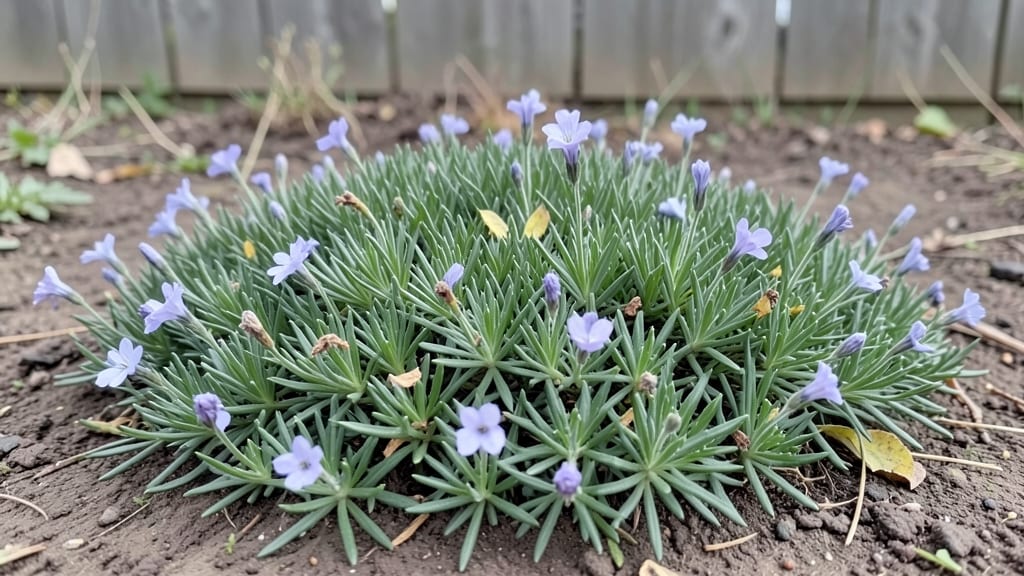
Transform your garden with phlox subulata seed—this tough, cheerful ground cover thrives when you master the right soil mix and timing, turning fragile sprouts into a velvety, self-spreading bloom carpet. 🌿 I’ve struggled with finicky phlox seedlings before—until I learned the exact tricks that make all the difference. mat.
The secret lies in mimicking its natural rocky habitat while keeping moisture just right.
You’ll need a shallow tray, sterile seed-starting mix, and patience for the slow but steady germination. Phlox subulata seeds are tiny, so scatter them lightly over damp soil and press them in gently—no need to bury them.
Place the tray in bright, indirect light (like a north-facing window) and keep the soil consistently moist but never soggy. Germination can take 4-8 weeks, so don’t give up if nothing appears right away.
Once those first needle-like leaves appear, you’ll watch them thicken into sturdy stems within weeks. By late spring, your seedlings will be ready to transplant outdoors, where they’ll spread into a dense, evergreen mat.
The payoff? A low-maintenance ground cover that blooms in spring and early summer, attracting bees and butterflies while choking out weeds.
This method works best when started indoors 8-10 weeks before your last frost, but you can also sow directly in fall for spring blooms. The key is adapting to your climate—cooler zones thrive with early starts, while warmer areas may handle outdoor sowing. Let’s get those seeds sprouting!
📚 In This Guide
- What you need
- Instructions
- Tips and common mistakes
- Wrapping up and next steps
What you need
- ● Phlox subulata seeds – Start with high-quality, fresh seeds (aim for 100+ seeds for a lush ground cover). Look for organic or reputable seed suppliers.
- ● Seed-starting mix or well-draining potting soil – A lightweight, sterile blend (e.g., 50% peat moss, 30% perlite, 20% vermiculite) works best.
- ● Seed trays or small pots – Use 4-inch or 6-inch trays with drainage holes (or repurpose yogurt cups with holes poked in the bottom!).
- ● Grow lights or a sunny windowsill – 6–8 hours of light daily (grow lights are ideal for consistent germination).
- ● Misting spray bottle – For gentle, even moisture without disturbing seeds.
- ○ Plastic wrap or humidity dome – Keeps seeds moist until germination (optional but helpful in dry climates).
- ○ Small fan (optional) – A gentle breeze (on low) can prevent damping-off disease.
- ● Patience – Germination takes 14–30 days (sometimes longer!). Stay consistent!
- ● Temperature control – Keep soil at 60–70°F (15–21°C) for best results (a heat mat helps in cool climates).
- ● Outdoor prep (for transplanting) – Wait until all frost risk has passed and soil is warm (60°F+) before moving seedlings outside.
Step-by-step instructions for germinating phlox subulata seeds
Here’s how to coax those tiny moss phlox seeds into thriving ground cover—no fancy tricks, just proven patience.
🌱 Step 1: Prepare the Seed Starting Mix and Trays
Fill your seed trays with the sterile seed-starting mix (never garden soil—it’s too dense and may harbor fungal spores). I like to press it down lightly so the surface is firm but not compacted. The goal is a mix that holds moisture without becoming soggy, because moss phlox seeds need consistent dampness to germinate.
Moisten the mix with a gentle spray until it’s evenly damp to the touch—like a wrung-out sponge. Avoid soaking it, or you’ll risk waterlogging and rot. A fine-mist spray bottle works best. Once the mix is ready, spread the 1 packet of Phlox subulata seeds evenly across the surface. Don’t bury them yet—just scatter them lightly.
💧 Step 2: Cover and Keep Warm for Germination
Lightly press the seeds into the mix so they make contact with the soil, but don’t bury them more than ⅛ inch deep. Moss phlox seeds need light to germinate, so covering them too deeply will delay or prevent sprouting. Once pressed in, mist the surface again to ensure even moisture.
Cover the tray with a clear plastic dome or plastic wrap to create a humid microclimate. Place the tray in a warm spot, ideally between 65-75°F. A seedling heat mat set to 70°F speeds things up, but a sunny windowsill or warm basement works too. Check daily for condensation—if the dome fogs up, lift it briefly to let excess moisture escape.
☀️ Step 3: Provide Bright, Indirect Light
Germination takes 14-28 days, so patience is key. Once the first green shoots appear, remove the dome immediately—trapped humidity now risks damping-off, a fungal disease that collapses seedlings overnight. Place the tray under bright, indirect light (a south-facing window with sheer curtain works well).
Direct sun at this stage will scorch the delicate seedlings, so avoid placing them in harsh afternoon light. You’ll know they’re getting enough light when the leaves stay dark green and compact. If they stretch toward the light or look pale, move them closer to the light source or supplement with a grow light for 12-14 hours daily.
🌿 Step 4: Thin and Harden Off Seedlings
When seedlings reach 1-2 inches tall and have 2-3 true leaves, it’s time to thin. Use small scissors to snip the weaker seedlings at soil level, leaving the strongest 4-6 inches apart in the tray. This prevents overcrowding and gives roots room to grow. Water gently after thinning to settle the soil around the remaining plants.
Two weeks before transplanting outdoors, start hardening off the seedlings. Move them to a sheltered outdoor spot for 1-2 hours the first day, gradually increasing time over 10-14 days. Watch for wilting—if leaves droop, they’re not ready for longer exposure. Once they tolerate full outdoor conditions without stress, they’re ready for their permanent home in well-draining soil with full sun to partial shade.
Tips & tricks for germinating moss phlox seeds
Here’s how to turn those tiny Phlox subulata seeds into lush ground cover without the guesswork.
Moisture Management: The key to successful germination lies in keeping that sterile seed-starting mix consistently damp—not soggy, not dry. I like to think of it like wringing out a sponge: just enough moisture to hold together without dripping. After misting, run your finger through the mix—it should feel like a damp paper towel, not a wet sponge. Overwatering leads to rot, while too little moisture means seeds won’t sprout. Check daily and mist lightly if the surface feels dry to the touch.
Light Exposure: Don’t bury those seeds more than ⅛ inch deep—they need light to germinate. Press them gently into the mix so they make contact with the soil, then place the tray under bright, indirect light immediately. Direct sunlight at this stage can scorch the delicate seedlings, so a south-facing window with a sheer curtain works perfectly. If you notice seedlings stretching toward the light or looking pale, they’re begging for more brightness—either move them closer or supplement with a grow light for 12-14 hours daily.
Temperature Consistency: Maintaining that 65-75°F range is crucial, especially during the 14-28 day germination window. I’ve found that placing the tray on a seedling heat mat set to 70°F speeds things up significantly. If your home runs cooler, a sunny windowsill or warm basement can work, but monitor closely. Condensation buildup under the plastic dome? That’s your cue to lift it briefly for airflow—trapped humidity risks damping-off disease, which can wipe out seedlings overnight.
Thinning Strategy: When seedlings reach 1-2 inches tall with 2-3 true leaves, it’s time to thin. I use small scissors to snip the weaker seedlings at soil level, leaving the strongest spaced 4-6 inches apart. This might seem harsh, but it prevents overcrowding and gives the remaining plants room to grow strong roots. Water gently after thinning to help settle the soil around the remaining seedlings—this reduces shock and gives them a better start.
Pro Tips for Phlox Subulata Seed
- Here’s how to turn those tiny Phlox subulata seeds into lush ground cover without the guesswork.
- Moisture Management: The key to successful germination lies in keeping that sterile seed-starting mix consistently damp—not soggy, not dry.
- Light Exposure: Don’t bury those seeds more than ⅛ inch deep—they need light to germinate.
Frequently asked questions
Got questions about growing Phlox subulata from seed?
You’re in the right place! Here are answers to the most common concerns—from timing to troubleshooting—so you can cultivate a lush, colorful ground cover without the guesswork.
How long does it take for moss phlox seeds to germinate?
Patience is key! Phlox subulata seeds typically germinate in 2–4 weeks under ideal conditions (consistent moisture, 60–70°F soil temps, and indirect light). Cold stratification (chilling seeds for 4–6 weeks) can speed this up. If nothing sprouts after 6 weeks, try gently pressing seeds into the soil—they need light to germinate!
Can I direct-sow moss phlox seeds outdoors, or should I start them indoors?
Direct-sowing is easiest for Phlox subulata! These tiny seeds thrive when planted outdoors in early fall or late winter (before active growth begins). Starting indoors isn’t necessary unless you’re in a hot climate—just scatter seeds on bare soil, press lightly, and keep moist. Pro tip: A thin layer of mulch helps retain moisture without smothering seeds.
Why aren’t my moss phlox seeds germinating? Troubleshooting tips!
If seeds aren’t sprouting, check these fixes:
Too dry? Keep soil consistently damp (not soggy) with a spray bottle or light misting.
Too hot? Seeds need cool temps (50–65°F)—avoid planting in summer heat.
Poor light? They need bright, indirect light (a sunny windowsill or grow light works).
Old seeds? Viability drops after 1–2 years; store seeds in a cool, dry place if saving for later.
Still stuck? Try a cold stratification hack: Mix seeds with damp sand, seal in a bag, and refrigerate for 4–6 weeks before planting.
What’s the best ground cover alternative if moss phlox seeds fail to grow?
If Phlox subulata proves finicky, try these low-maintenance, drought-tolerant alternatives:
- Creeping thyme – Fragrant, hardy, and thrives in sunny spots.
- Ajuga (bugleweed) – Shade-tolerant with striking foliage.
- Sedum (stonecrop) – Succulent-like, great for dry conditions.
- Clover (Dutch white) – Fixes nitrogen in soil and attracts pollinators.
For a phlox-like look, opt for Phlox stolonifera (creeping phlox), which spreads faster and is easier to establish from seed.
When is the ideal time to plant moss phlox seeds for fall blooms?
For spring blooms the following year, plant seeds 6–8 weeks before your first frost (typically late summer to early fall). If you’re in a mild climate (Zones 7–10), late winter/early spring works too. Seeds need 4–6 weeks of cool soil temps to germinate properly—don’t rush it! Pro tip: Mark your planting date to align with your local frost schedule.
Wrapping up and next steps
Growing Phlox subulata from seed is a rewarding journey that transforms your garden into a vibrant, low-maintenance carpet of color! 🌸 With the right mix of patience, proper soil prep, and consistent care, you’ll unlock the secret to lush, evergreen ground cover that blooms year after year.
Whether you’re a seasoned gardener or just starting out, these moss phlox germination secrets will set you up for success.
Ready to dive in? Start by gathering your seeds and supplies, then follow the step-by-step guide to sow, nurture, and watch your garden flourish. Happy planting—your future blooms are waiting! 🌱✨