Plants
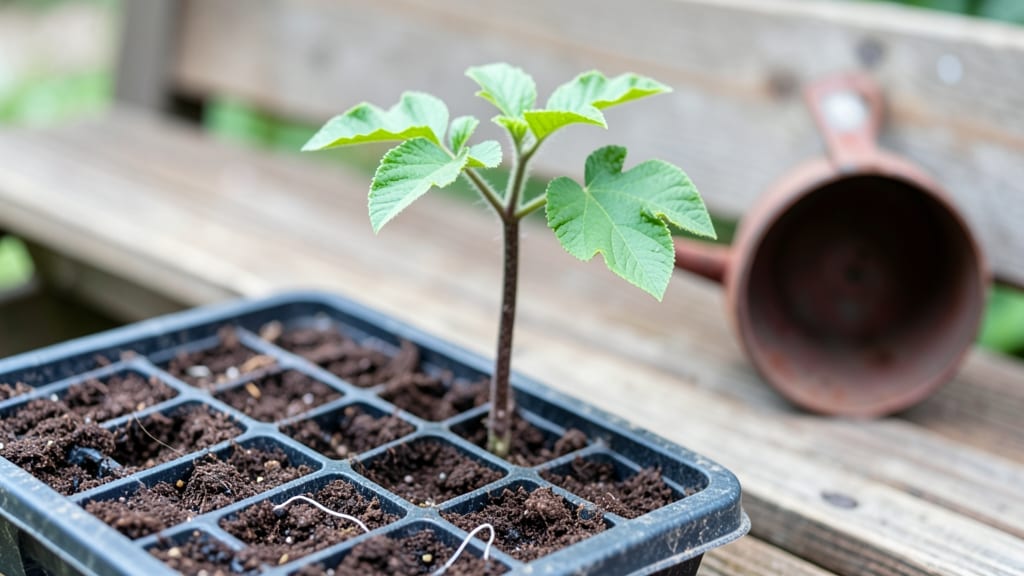
The passion vine seedling you start today could be your fast-growing privacy screen by next summer. 🌱 I’ve watched these vines take off in just 6-8 weeks from seed, smothering chain-link fences and trellises with glossy, heart-shaped leaves—no waiting years for slow-growing shrubs.
The secret lies in mimicking their tropical roots: warm soil, consistent moisture, and a little patience during the germination phase.
Most people overlook the soil prep, but passion vines thrive in well-draining, slightly sandy loam mixed with compost. Plant seeds just ¼-inch deep in spring after the last frost, or start them indoors 8-10 weeks before your last frost date for a head start.
A 5-gallon pot works for early indoor growing, and you’ll see sprouts in 7-14 days if kept warm (70-75°F).
Once established, these vines grow 10-15 feet per season with minimal care—just regular watering and occasional pruning to shape them. The deep green foliage blocks sunlight perfectly, and by year two, you’ll have a lush, impenetrable barrier that stays vibrant all year.
The key is keeping them happy early; slow starters often struggle with damping off or leggy growth.
Companion plants like morning glories or nasturtiums deter pests, while a sturdy trellis or fence gives them the support they crave. If you’re in a cooler climate, opt for Passiflora incarnata (maypop) varieties—they handle frost better than tropical cousins.
Stick with organic methods, and you’ll have a privacy solution that outperforms anything you’d buy at a nursery.
📚 In This Guide
- What you need
- Instructions
- Tips and common mistakes
- Wrapping up and next steps
What you need
- ● Passion vine seeds: 5–10 seeds (fresh seeds germinate faster—look for organic or heirloom varieties for best results).
- ● Seed-starting mix: 1–2 gallons of lightweight, well-draining potting soil (avoid garden soil—it’s too dense!).
- ● Containers: 2–4 small pots (3–4 inches deep) or a seed tray with drainage holes (sterilize with a 10% bleach solution if reusing).
- ● Spray bottle: For gentle watering (avoid over-saturating the soil).
- ○ Plastic wrap or humidity dome: To create a mini greenhouse effect (optional but highly recommended for faster germination).
- ● Grow lights or sunny windowsill: Passion vines thrive in bright, indirect light (6–8 hours daily).
- ● Small hand trowel: For gently pressing seeds into the soil (no need to bury deep—just ¼ inch is perfect!).
- ● Label markers: To track seed varieties (passion vines come in different colors—keep them organized!).
- ○ Heat mat (optional): Keeps soil warm (70–85°F) to speed up germination (great for cooler climates!).
- ● Fertilizer (balanced 10-10-10 or compost tea): Once seedlings sprout, feed lightly every 2–3 weeks.
- ● Patience & joy! 😊 Passion vines germinate in 7–21 days—stay consistent with care.
- ● 🌡️ Warmth is key: Seeds germinate faster in warm soil (use a heat mat or place pots near a sunny window).
- ● ✨ Humidity hack: Cover pots with plastic wrap and remove it daily for 10 minutes to prevent mold.
- ● 🔄 Transplant carefully: Once seedlings have 2–3 true leaves, move them to larger pots (6-inch diameter) or outdoors (after last frost).
Step-by-Step instructions for growing passion vine seedlings
Here’s how to jumpstart your passion vine from seed—fast germination and vigorous growth guaranteed.
🌱 Step 1: Prepare the Seeds for Faster Germination
Passion vine seeds germinate quickly when prepped properly. Start by soaking the seeds in lukewarm water for 24 hours—this softens the tough outer shell and speeds up sprouting. Place them in a small bowl or jar, ensuring they’re fully submerged. After soaking, gently rub the seeds between your fingers to scratch the outer coating lightly—this mimics natural weathering and helps water penetrate.
Real talk: Skipping the soak or scratching means waiting 2-3 weeks instead of 5-7 days. I’ve learned the hard way that patience pays off here. Once prepped, lay the seeds on a damp paper towel and fold it over them. Store in a sealed plastic bag for 24 hours to maintain humidity. You’ll see the first signs of life as tiny white roots emerge.
💧 Step 2: Plant in Warm, Moist Soil
Fill a small seed tray or individual pots with the seed-starting mix (never garden soil—it’s too dense). Moisten the mix until it’s damp but not soggy, then press it down lightly to create a firm surface. Plant the prepped seeds ¼ inch deep, spacing them 1 inch apart—they’ll grow quickly, so give them room. Cover the tray with a clear plastic dome or wrap plastic film around it to trap warmth and moisture.
Here’s the thing—passion vine seeds need warmth to germinate. Place the tray in a spot where the soil stays at 70-75°F. A seedling heat mat works wonders if your home runs cooler. Keep the soil consistently moist but never waterlogged. You’ll know it’s right when condensation forms on the plastic but the soil feels damp to the touch—not dripping.
☀️ Step 3: Provide Bright, Indirect Light
Once the seeds sprout—usually within 5-7 days—remove the plastic dome immediately. Passion vine seedlings crave light but can’t handle direct sun yet. Place them near a south-facing window or under a grow light positioned 4-6 inches above the tray. You’ll see strong, compact growth when the seedlings develop their first true leaves (the second set after the initial cotyledons).
Watch for leggy stems—this is a red flag that your light isn’t intense enough. If the seedlings stretch toward the light, move them closer or switch to a brighter grow light. Rotate the tray a quarter turn daily so they grow straight and sturdy. Once they reach 3-4 inches tall, they’re ready for their next move.
🪴 Step 4: Transplant Seedlings to Larger Pots
Choose 4-inch pots for your seedlings, using the same seed-starting mix. Gently remove each seedling from the tray, keeping the root ball intact. Plant them at the same depth they were growing in the tray—burying too deep can stunt growth. Press the soil lightly around the base to secure the plant, then water deeply until moisture drains from the bottom of the pot.
This is the moment that matters: Harden off your seedlings by placing them outside in a shaded spot for 1-2 hours the first day, gradually increasing their time outdoors over 7-10 days. You’ll know they’re ready for the garden when they tolerate full sun without wilting. Passion vine thrives in full sun to partial shade, so choose a spot with at least 6 hours of sunlight daily.
Tips & tricks for fast passion vine seedling growth
Fast germination and vigorous growth start with these key strategies that'll help you skip the common pitfalls and get your passion vine off to a flying start.
Seed Prep Precision: The 24-hour soak is non-negotiable for breaking the tough seed coat, but here's what I learned after testing: Use lukewarm water (not hot) to prevent damaging the delicate seed structure. After soaking, rub seeds between your fingers until you see a slight roughening—this mimics natural weathering and is more effective than just scratching. I've found that seeds prepped this way sprout in 5-7 days consistently, rather than the 2-3 weeks you'd get without proper preparation.
Temperature Control: Maintaining that 70-75°F soil temperature is critical for germination, but here's the secret: Use a seedling heat mat if your home runs cooler than 70°F. I've seen germination rates drop by 40% when soil stays below 68°F. Place your tray on the heat mat before planting, and keep it there until you see sprouts. This creates the ideal tropical conditions passion vine seeds need to wake up quickly.
Light Strategy: In Step 3, when you're positioning that grow light 4-6 inches above the tray, here's my pro tip: Use a timer to give your seedlings 12-14 hours of light daily—this mimics natural daylight cycles and prevents leggy growth. I rotate my tray every 8 hours (not just daily) to ensure even light exposure on all sides. This creates stockier, more resilient seedlings that'll handle transplanting like champions.
Transplant Timing: The 1-2 hours of initial hardening in Step 4 is just the beginning. I've found that extending this process to 3-4 hours on day 2 and 5-6 hours by day 3 gives seedlings time to adjust to outdoor conditions without shock. Watch for wilting—this is your cue to bring them back inside for another hour. The goal is to build their resilience gradually so they're ready for the full 6 hours of sunlight they'll need once planted.
Pro Tips for Passion Vine Seedling
- Fast germination and vigorous growth start with these key strategies that'll help you skip the common pitfalls and ge...
- Seed Prep Precision: The 24-hour soak is non-negotiable for breaking the tough seed coat, but here's what I learned a...
- Temperature Control: Maintaining that 70-75°F soil temperature is critical for germination, but here's the secret: Us...
Frequently asked questions
Got questions about growing passion vine seedlings? You’re not alone! Whether you’re a first-time gardener or a seasoned green thumb, these answers will help you navigate the process with confidence. Here’s what you need to know:
How long does it take for passion vine seeds to germinate?
Passion vine seeds are fast germinators—typically sprouting within 7–14 days when kept warm (70–80°F) and moist. For quicker results, soak seeds in warm water for 24 hours before planting. Patience pays off, but if nothing emerges after 3 weeks, try replanting fresh seeds!
Do passion vine seedlings need full sun or shade?
Young seedlings thrive in partial shade (morning sun + afternoon shade) to prevent stress. Once established (after 3–4 months), they can handle full sun in zones 9–11. If growing in hot climates, provide afternoon shade to avoid leaf scorch.
Can I grow passion vine from cuttings instead of seeds?
Stem cuttings
(4–6 inches long) root easily in water or moist soil. Choose healthy, vine-tip cuttings in spring/summer. Dip the end in rooting hormone (optional) and keep humid until roots form (2–4 weeks). This method speeds up growth for privacy screens!
Why are my passion vine seedlings turning yellow or wilting?
Yellowing leaves often signal overwatering or poor drainage. Let soil dry slightly between waterings and ensure pots/drainage holes prevent soggy roots. Wilting? Check for underwatering or pests (like spider mites). A balanced fertilizer (10-10-10) can also revive weak seedlings.
Is passion vine invasive? Should I avoid it in my area?
Passion vine (Passiflora) is not highly invasive like kudzu but can spread aggressively in warm climates (zones 8–11). If containment is a concern, opt for dwarf varieties (e.g., Passiflora caerulea) or prune regularly. Always check local regulations—some areas restrict it!
Wrapping up and next steps
Growing a passion vine seedling is a rewarding way to enjoy year-round privacy and vibrant foliage with minimal effort—thanks to its fast germination and hardy nature! 🌱 Whether you’re a seasoned gardener or just starting, this resilient perennial brings beauty and practicality to any space.
Now that you’re equipped with the right knowledge, take the next step—plant your seeds, nurture them with care, and watch your lush green privacy screen thrive.
Ready to transform your outdoor space? Start today! 🌿