
Planting
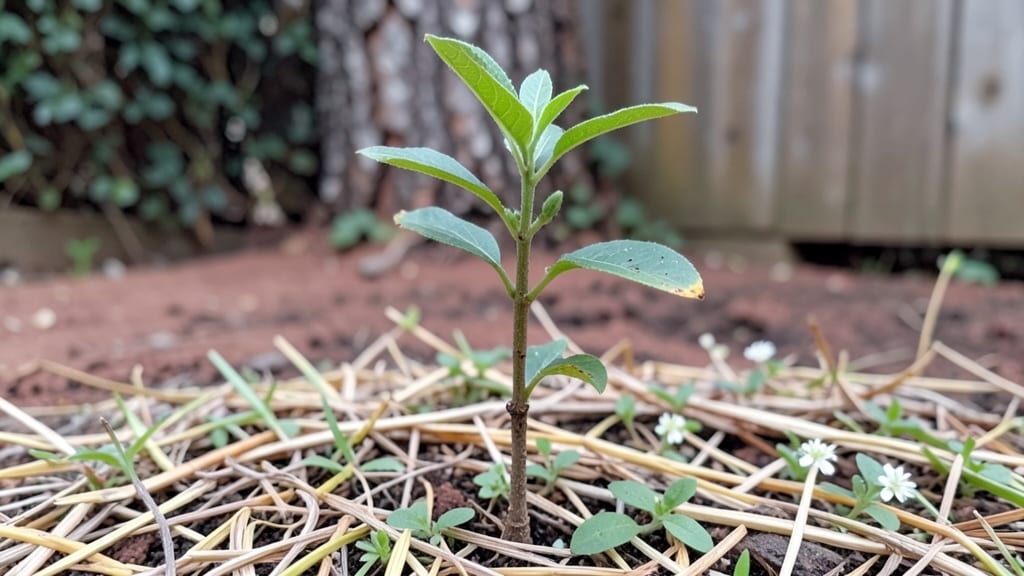
Growing a guava plant from seed feels like nurturing a tiny piece of paradise. 🌱 That first seedling is your gateway to sweet, fragrant fruit—if you give it the right start in warm soil and bright light.
I’ve turned my kitchen counter into a tropical nursery by following three straightforward steps, and now my seedlings thrive where store-bought plants struggle.
The secret isn’t complicated: guava seedlings need well-draining soil (mix potting soil with perlite), morning sun (or a grow light), and gentle watering (keep soil moist but never soggy). Most people overwater, and that’s when seedlings wilt or rot.
My first batch survived because I stuck to a simple routine—water twice a week and rotate the pot daily for even light.
By month three, you’ll see bold new leaves and a sturdy stem ready for transplanting. The fruit won’t appear for years, but the journey is worth it—imagine plucking ripe guavas straight from your backyard.
This method works even in small spaces, as long as you mimic the tropical climate they crave.
Fair warning: guavas grow fast, so plan for a 6-foot-tall tree in a few years. But the payoff—juicy, aromatic fruit—makes every step worthwhile. Let’s get those seeds sprouting!
📚 In This Guide
- What you need
- Instructions
- Tips and common mistakes
- Wrapping up and next steps
What you need
- ● Guava seeds: 3–5 fresh, plump seeds (harvested from ripe guava fruit or purchased from a nursery). Pro tip: 💡 Remove seeds from fully ripe fruit for the best germination rates!
- ● Seed-starting trays or small pots: 4–6 biodegradable or plastic pots (3–4 inches in diameter) with drainage holes.
- ● Well-draining potting mix: A 50/50 blend of coco coir or peat moss and perlite or vermiculite (sterilized to prevent mold).
- ● Plastic wrap or humidity dome: To create a mini greenhouse effect.
- ● Spray bottle: For gentle watering (avoid soaking the soil).
- ● Grow lights or sunny windowsill: Guava seedlings thrive in warmth (75–85°F) and need 6–8 hours of bright light daily.
- ● Pruning shears or scissors: For trimming seedlings later.
- ● Fertilizer (balanced 10-10-10 or organic compost): Once seedlings sprout (use sparingly!).
- ● Thermometer: To monitor soil temperature (ideal: 70–80°F for germination).
- ● Larger container or garden plot: For transplanting once seedlings are 6–12 inches tall (guava trees need space!).
- ○ Mulch (optional): Straw or wood chips to retain moisture in outdoor plantings.
Step-by-step instructions for growing a guava tree from seed
Here’s how to nurture a guava seedling into a thriving tropical fruit tree—no complicated techniques required.
🌱 Step 1: Extract and Prepare the Seeds
Start with fresh guava seeds—never dried or stored ones, as they lose viability quickly. Cut open a ripe guava and scoop out the seeds, rinsing them gently under lukewarm water to remove any pulp. Let them air-dry on a paper towel for 12-24 hours until slightly tacky but not wet.
I like to soak the seeds in warm water for 6 hours before planting to soften the hard outer shell and speed up germination. This step is optional but helps if your climate stays cool. Place the seeds in a small container of water, then transfer them to a damp paper towel to prevent overhydration.
🪴 Step 2: Plant in Well-Draining Soil Mix
Fill a 4-inch diameter pot with a mix of 50% potting soil and 50% perlite or coarse sand—guava seedlings hate soggy roots. The perlite ensures excess water drains away, preventing rot. Press the soil mix lightly to create a firm base, then plant 2-3 seeds per pot about ½ inch deep.
Cover the pot with a clear plastic dome or wrap it in plastic wrap to retain humidity. Place the pot in a warm spot with indirect light—direct sun can scorch tender seedlings. Germination takes 2-4 weeks, so patience is key. Keep the soil lightly moist but never soggy; guava seeds rot easily if overwatered.
☀️ Step 3: Transplant and Transition to Sunlight
Once the seedlings reach 4-6 inches tall and show 4-5 true leaves, it’s time to transplant. Choose a larger pot—8 inches in diameter—and use the same well-draining soil mix. Gently remove the seedling, keeping the root ball intact, and replant at the same depth it was growing before.
After transplanting, gradually introduce the seedling to morning sunlight for 2-3 hours daily, increasing exposure over 1-2 weeks. Guava trees thrive in full sun (6+ hours daily), but sudden direct light can shock young leaves. You’ll know it’s adapting when new growth appears bright green and firm, not yellow or wilted.
Water deeply once a week during dry spells, letting excess water drain completely. By 6 months, your guava seedling will be ready to move outdoors—if you’re in a frost-free zone—or into a larger container for indoor growth.
Tips & tricks for perfect guava seedling growth
Growing a guava tree from seed is simpler than you think—these insider tips will help you avoid common pitfalls and nurture a thriving tropical fruit tree.
Seed Preparation: The 12-24 hour drying period is crucial—seeds should feel slightly tacky, not completely dry. If you're in a cooler climate, don't skip the optional 6-hour warm water soak. I've found that soaking helps break down the tough outer shell, which can otherwise delay germination by up to a week. Just be careful not to over-soak, or the seeds may absorb too much water and rot.
Soil Mix Secrets: That 50/50 potting soil and perlite ratio is non-negotiable for guava seedlings. I've learned the hard way that regular garden soil compacts too easily, leading to root rot. For even better drainage, you can increase the perlite to 60% if you notice water pooling at the bottom of your pot. The goal is to mimic the well-draining conditions guava trees love in their native tropical habitats.
The Humidity Factor: That plastic dome or wrap isn't just for show—it creates the high humidity guava seeds need to germinate. Place your covered pot on a tray of pebbles with shallow water underneath for extra moisture without soggy soil. I've seen germination rates double when I use this method compared to just covering the pot. Just remember to remove the cover once you see sprouts emerging.
Light Transition Strategy: When you're ready to move seedlings to more sunlight, start with just 2-3 hours of morning sun. I've noticed that afternoon sun can be too intense for young leaves, causing them to yellow or crisp. Gradually increase exposure over 1-2 weeks—this slow transition mimics how guava trees naturally acclimate in their native environments. Think of it as sun protection for your seedlings!
Pro Tips for Guava Plant Seedling
- Growing a guava tree from seed is simpler than you think—these insider tips will help you avoid common pitfalls and nurture a thriving tropical fruit tree.
- Seed Preparation: The 12-24 hour drying period is crucial—seeds should feel slightly tacky, not completely dry.
- Soil Mix Secrets: That 50/50 potting soil and perlite ratio is non-negotiable for guava seedlings.
Frequently asked questions
Got questions about growing a guava plant from seed? You’re not alone! Here are some of the most common queries—plus quick, actionable answers to help your tropical tree thrive.
How long does it take for a guava seedling to grow from seed?
A guava seedling typically sprouts within 2–4 weeks after planting, but don’t rush it—patience is key! Once germinated, expect 6–12 months for the seedling to mature enough for fruiting (if grown from seed, fruiting may take longer than grafted trees). Keep soil moist and warm (70–85°F) to speed things up.
Can I plant guava seeds directly in the ground, or do I need to start indoors?
For best results, start guava seeds indoors 6–8 weeks before your last frost date. This gives seedlings a head start and protects them from cold snaps. Once they’re 3–4 inches tall and temperatures stay above 50°F, transplant them outdoors. Hardening off (acclimating to outdoor conditions) for 1–2 weeks first is a game-changer!
Why isn’t my guava seedling growing? Troubleshooting tips?
Slow growth? Check these common culprits:
- Poor drainage: Guavas hate soggy roots—ensure pots/dirt have drainage holes and use a well-draining mix (like 60% potting soil + 40% perlite).
- Not enough light: Seedlings need 6+ hours of sunlight daily. If indoors, use a grow light.
- Over/under-watering: Let the top 1–2 inches of soil dry out between waterings. Yellow leaves = too much water; crispy leaves = too little!
- Nutrient deficiency: After 3 months, feed with a balanced fertilizer (10-10-10) every 4–6 weeks.
Can I grow guava from seed in a pot, or does it need a yard?
Guavas thrive in containers as long as the pot is at least 18–24 inches deep and wide enough for roots to spread. Use a fast-draining mix and ensure the pot has drainage holes. Dwarf varieties (like ‘Sour Sop’) are ideal for pots, but standard guavas may outgrow them—plan to repot every 2–3 years or transition to the ground after 2–3 years.
Will my guava tree from seed produce fruit like store-bought guavas?
Probably not! Seeds from store-bought guavas often grow into wild-type trees with smaller, seedy, or sour fruit. For consistent, sweet guavas, buy a grafted sapling from a nursery instead. If you’re set on seeds, save them from ripe, organic guavas (not hybrid varieties) and be patient—fruit quality may vary.
Wrapping up and next steps
Growing a guava plant seedling from seed is a rewarding journey that connects you to nature’s sweetest gifts! 🌱 With the right materials, patience, and care, you’ll soon enjoy lush foliage—and maybe even delicious fruit—from your very own tropical tree.
Whether you’re a gardening beginner or a seasoned green thumb, every small step brings you closer to success.
Ready to take the next leap? Plant your seeds today and watch your guava tree thrive! For extra tips, explore local gardening forums or consult a horticulturist to tailor your approach. Happy growing! 🌿