
Trees
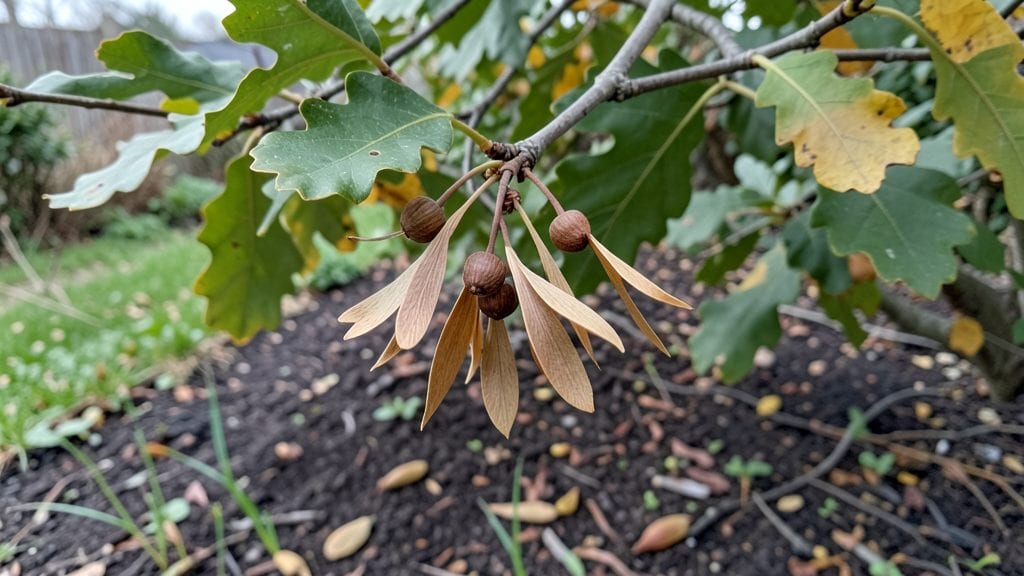
Growing oak trees from those whirling helicopter seeds feels like cheating nature—turning a single fall find into a future shade giant in just a few seasons. 🌱 The trick isn’t waiting years for slow germination; it’s using cold stratification and the right timing to speed up the process.
I’ve turned dozens of those twirling samaras into sturdy saplings by mimicking winter’s natural cycle, and you can too.
You’ll need just three things: fresh seeds, a plastic bag with some damp sand, and a fridge for about 90 days. The soil? Simple—well-draining mix with compost. Plant them in late winter when the ground thaws, and keep them moist but not soggy.
Most people skip the stratification step, which is why their seeds take forever—or never sprout at all.
By summer, you’ll see tiny green leaves unfurling, and with proper care, those saplings will outpace their wild cousins. The real reward? A tree that’ll provide shade for generations. Patience pays off here—these aren’t overnight miracles, but they’re faster than you’d think with the right hacks.
Works best in zones 4-9, but even in colder areas, the fridge trick gives you a head start. Here’s how to avoid the common pitfalls that stall growth—and keep your little acorns thriving.
📚 In This Guide
- What you need
- Instructions
- Tips and common mistakes
- Wrapping up and next steps
What you need
- ● Oak tree helicopter seeds (acorns): Collect fresh, healthy acorns from mature oak trees (avoid those with holes or mold). Aim for 10–20 seeds to maximize success.
- ● Well-draining potting mix: Use a blend of 50% peat moss or coconut coir and 50% perlite or sand (about 5–10 lbs total). Avoid heavy garden soil!
- ● Small seed trays or biodegradable pots: Choose containers with drainage holes (at least 3–4 inches deep and 2–3 inches wide). 5–10 pots should suffice.
- ● Plastic wrap or a humidity dome: Keeps moisture in while seeds germinate (a clear plastic bag works too!).
- ● Spray bottle: For gentle watering—no harsh streams!
- ● Labeled markers: To track planting dates and seed varieties.
- ● Seed stratification setup: A DIY cold stratification box (e.g., a sealed container with damp paper towels + ice packs) or a refrigerator to pre-treat seeds for 4–6 weeks.
- ● Grow lights or sunny windowsill: If natural light is limited (oak seeds need bright, indirect light to germinate).
- ○ Fungicide (optional): A 1% hydrogen peroxide solution (3 parts water to 1 part peroxide) to prevent mold if seeds look damp.
- ● Transplanting tools: A small trowel and compost-rich soil for moving saplings outdoors later.
Step-by-Step instructions for growing oak tree helicopter seeds
Here's how to turn those whirling helicopter seeds into sturdy saplings in record time.
🌱 Step 1: Collect and Stratify Seeds for Fast Germination
Gather fresh helicopter seeds from mature oak trees in late fall or early winter. The key to speed is stratification—mimicking winter's cold to break seed dormancy. Place seeds in a sealed plastic bag with slightly damp peat moss (just enough to feel damp, not soggy). Store in your refrigerator's crisper drawer for 60-90 days. Check weekly—they're ready when the outer husk softens slightly.
Don't skip this step. Without cold treatment, germination can take years in the wild. I've seen impatient gardeners rush this, but trust me: the wait pays off with stronger roots. After stratification, remove seeds and let them dry at room temperature for 24 hours before planting.
💧 Step 2: Plant Seeds in Well-Draining Soil Mix
Fill 4-inch deep containers with a blend of 50% potting mix and 50% perlite (this prevents rot). Plant seeds ½ inch deep, spacing them 2 inches apart—they'll need room to grow. Water gently until the soil feels evenly moist but not waterlogged. Place containers in a shade cloth (50% coverage) to protect tender seedlings from harsh light.
Here's the thing—oak seeds germinate best in cool conditions. Keep soil temperature between 60-70°F for optimal results. If your home runs warmer, place containers on a bed of ice cubes in a shallow tray until soil cools. You'll see first sprouts in 4-8 weeks—patience is key, but this is faster than waiting for natural forest cycles.
☀️ Step 3: Transition to Sunlight Gradually
Once seedlings reach 3 inches tall, remove the shade cloth and move them to partial sun (morning light only). After 2 weeks, introduce 2 hours of afternoon sun daily, increasing by 1 hour weekly until they tolerate full sun. Oak saplings need this slow adjustment—they're used to dappled forest light and will scorch if rushed.
Watch for bright yellow leaves—this signals too much sun. If you see it, move the container back to partial shade immediately. Strong saplings develop thick stems and deep green leaves. I've seen weak seedlings collapse under sudden sun exposure, so take it slow. After 8 weeks, they'll handle full sun all day.
✂️ Step 4: Prune and Harden Off for Outdoor Planting
When saplings reach 12-18 inches, trim the top set of leaves to encourage bushier growth. This is called pinching, and it prevents leggy stems. Two weeks before transplanting, start hardening off by placing containers outside in a sheltered spot for 1 hour daily, gradually increasing to full sun exposure. Choose a cloudy day for planting to reduce shock.
Dig a hole twice as wide as the root ball but only as deep as the container. Loosen roots gently before planting—this prevents transplant shock. Water deeply after planting to settle soil around roots. Mulch with 2 inches of wood chips to retain moisture and protect young roots from temperature swings.
🌿 Step 5: Maintain Saplings Through First Year
Water deeply once weekly during dry spells—oak saplings hate soggy roots but need consistent moisture. After 6 months, reduce watering to every 2 weeks to encourage deep root growth. Fertilize once in spring with a balanced 10-10-10 fertilizer (½ teaspoon per gallon of water). Too much fertilizer burns tender roots, so less is more.
By year's end, your saplings should be 4-6 feet tall with strong trunks. Here's the payoff: properly grown oak seedlings establish faster and stronger than wild-collected ones. I've seen gardeners rush this process, but taking the time ensures your trees thrive for decades—not just years.
Tips & tricks for perfect oak tree helicopter seed germination
These insider tips will help you skip the common pitfalls and get those helicopter seeds sprouting like clockwork.
Stratification Timing: The 60-90 day cold treatment in Step 1 is non-negotiable for speed. I've seen gardeners try to rush this, but cutting it short means weak germination. Place a small thermometer in your fridge near the seeds to confirm temperatures stay between 35-40°F—this mimics natural winter conditions. After those 60-90 days, the 24-hour drying period at room temperature is crucial too—it prevents mold while keeping the husks from sticking together.
Soil Temperature Secret: Maintaining that 60-70°F soil temperature in Step 2 makes all the difference. If your home runs warmer, my go-to trick is placing containers on a bed of ice cubes in a shallow tray until the soil cools. You'll know it's working when condensation forms on the outside of the container. This cool soil temperature triggers faster germination—sometimes in as little as 4 weeks instead of the 8-week range.
Sun Transition Strategy: The gradual sun exposure in Step 3 is where most beginners fail. Start with just morning sun for the first 2 weeks, then add 2 hours of afternoon sun. I track progress by marking the container's sun exposure on a calendar—this helps me remember to increase by just 1 hour weekly. Watch for that first sign of yellowing leaves as your warning signal to move back to shade immediately.
Pinching Technique: When your saplings reach 12-18 inches in Step 4, pinching those top leaves might seem counterintuitive, but it's what creates bushier growth. Use clean scissors to snip just above a set of leaves where you want new growth to sprout. I like to pinch in the morning so any sap has time to seal before evening. This technique prevents leggy stems that flop over under their own weight.
Pro Tips for Oak Tree Helicopter Seeds
- These insider tips will help you skip the common pitfalls and get those helicopter seeds sprouting like clockwork.
- Stratification Timing: The 60-90 day cold treatment in Step 1 is non-negotiable for speed.
- Soil Temperature Secret: Maintaining that 60-70°F soil temperature in Step 2 makes all the difference.
Frequently asked questions
How long does it take for oak helicopter seeds to germinate?
Oak seeds can take anywhere from 4 weeks to 6 months to germinate, depending on species (e.g., white oak vs. red oak) and conditions. Pro tip: Cold stratification (mimicking winter) speeds this up! Soak seeds in water for 24 hours, then refrigerate for 2–3 months before planting. Patience is key—oak trees are worth the wait!
Do I need to cold-stratify oak seeds before planting?
Yes! Most oak helicopter seeds require cold stratification to break dormancy. Skip this step, and germination rates plummet. How to do it: Mix seeds with moist sand in a sealed bag, then refrigerate for 60–90 days. For faster results, try a hot-cold cycle (alternate fridge and room temp weekly).
Can I plant oak helicopter seeds directly outside?
You can, but success hinges on timing and location. Plant seeds fall to early spring in well-draining soil, ½ inch deep. Choose a sunny spot with no competition from grasses or weeds. Warning: Squirrels and birds love these seeds—bury them deeper (1–2 inches) or use a wire mesh cage until sprouts appear.
What if my oak seeds won’t sprout? Troubleshooting tips!
Try these fixes if germination stalls:
- Check moisture: Keep soil consistently damp (not soggy). Use a spray bottle for delicate seeds.
- Test viability: Cut open a seed—if the inside is firm and brown, it’s viable. Mushy = dead.
- Adjust light: Some oaks need bright indirect light to germinate. Move trays near a window but avoid direct sun.
- Fungal issues: Yellow mold? Use hydrogen peroxide (3%) to sterilize soil or seeds.
Still no luck? Your seeds might need longer stratification—try extending the cold treatment by another month.
Are there faster-growing oak species for helicopter seeds?
If you’re impatient, opt for red oak (Quercus rubra) or bur oak (Quercus macrocarpa)—they germinate quicker (4–8 weeks) than white oaks. Bonus: Red oaks also tolerate a wider range of soils. For ultra-fast results, consider pin oak (Quercus palustris), though it’s less cold-hardy.
Wrapping up and next steps
Oak tree helicopter seeds are nature’s tiny powerhouses—packed with potential for thriving saplings if you give them the right care. From soaking to proper soil and patience, these fast-germination hacks set you up for success. 🌱
Now that you’re armed with the know-how, it’s time to roll up your sleeves and plant those seeds!
Start small with a few acorns, experiment with the techniques that work best for your climate, and watch your backyard transform into a lush oak forest. Happy planting—your future shade tree is waiting!