
Companion Plants
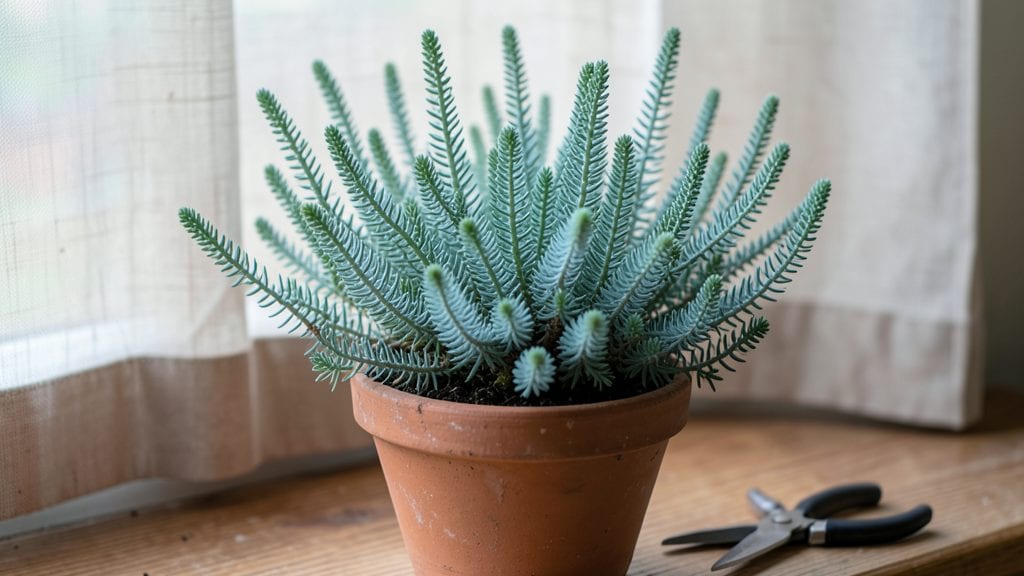
No-seed plants like ferns, mosses, and liverworts thrive alongside shade-tolerant perennials, hostas, and astilbes while avoiding direct competition with seed-bearing species. Pair them with ground covers like creeping jenny or ajuga to retain moisture and suppress weeds without relying on seed dispersal.
These seedless varieties reproduce through spores or underground stems, which means they don’t spread aggressively like many flowering plants. 🌿 Their slower growth actually benefits nearby plants by reducing soil disturbance and competition for nutrients.
For example, ferns spread gently through rhizomes while mosses create a living mulch that keeps soil moist and weed-free. This makes them perfect for creating low-maintenance, lush garden beds that stay vibrant without the chaos of seed dispersal.
When designing your garden, focus on plants that share similar moisture and light needs. Hostas and astilbes, for instance, pair beautifully with ferns because they all prefer partial shade and consistent soil dampness.
The key is avoiding fast-spreading seed plants like mint or creeping buttercup, which can quickly take over and crowd out your delicate no-seed companions.
💡 In This Article
- How Non-Seed Plants Thrive Without Seeds
- Best Companion Plants for Seedless Garden Beds
How non-seed plants thrive without seeds
Here's what actually happens: non-seed plants like ferns and mosses reproduce through microscopic spores rather than seeds. These spores develop on the undersides of fronds or leafy stems, often in specialized structures called sori (for ferns) or capsules (for mosses).
When conditions are right—typically after rain or high humidity—the spores release and drift away, landing on moist soil where they germinate into tiny, thread-like structures called protonemata. This process is far less aggressive than seed dispersal, which explains why these plants don't spread uncontrollably. 🌱
The key factor is their growth strategy: many non-seed plants expand horizontally through rhizomes (underground stems) or stolons (above-ground runners). For example, a mature fern can spread 12-18 inches per year through its rhizome system, but this happens gradually without the sudden bursts of growth seen in seed-producing plants.
Mosses take this even further by forming dense mats that spread less than 1 inch annually, creating a living mulch that conserves moisture and blocks weeds. This slow, steady expansion minimizes soil disturbance and competition with neighboring plants.
What most people don't realize is how these plants form symbiotic relationships with fungi. Many non-seed plants partner with mycorrhizal fungi in their roots, creating networks that share nutrients and water. This mutualism allows them to thrive in nutrient-poor soils where seed plants would struggle.
For instance, liverworts often form these connections, which is why they can colonize bare rock surfaces—something seed plants could never achieve. The fungal networks also help stabilize soil structure, preventing erosion that could harm delicate root systems. 🍄
This growth pattern benefits nearby plants in several ways. First, their dense foliage creates microclimates that retain 20-30% more moisture in the soil than bare ground. Second, their slow growth means they don't compete aggressively for nutrients, allowing shade-loving perennials like hostas to flourish nearby.
Finally, their lack of seed production eliminates the risk of unwanted seedlings popping up everywhere—something gardeners battling with mint or dandelions can appreciate. The result is a garden ecosystem where all plants coexist harmoniously without the chaos of seed dispersal.
Consider the case of a Japanese painted fern paired with heuchera in a woodland garden. The fern's fronds create dappled shade perfect for the heuchera's colorful foliage, while the fern's rhizomes spread just enough to fill gaps without crowding.
This combination maintains soil moisture at 60-70% humidity levels—ideal for both plants—while suppressing weeds naturally. The absence of seeds means no unexpected volunteers, and the gradual spread creates a lush, layered look that evolves beautifully over time. 🌿
Even their decomposition patterns work in their favor. When non-seed plants die back, their organic matter breaks down slowly, enriching the soil with nutrients over months rather than weeks. This creates a stable, fertile environment that supports long-term plant health.
Unlike seed plants that may drop thousands of seeds annually, these varieties contribute to soil health without the risk of invasive spread. It's a perfect example of how nature's slower systems can actually create more stable, sustainable ecosystems. ✨