
Watering
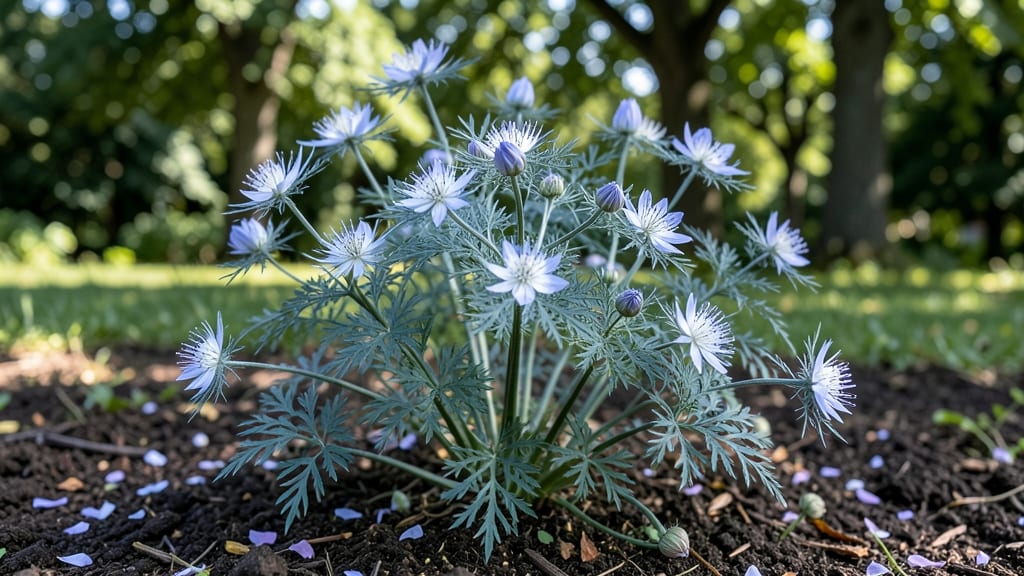
Growing Nigella damascena seedlings from seed is like unlocking a secret garden of delicate blue lace flowers and a honey-like fragrance that lingers in the breeze. 🌿 I’ve watched these tiny seedlings transform into striking annuals that bloom effortlessly in zones 3 through 9—no fuss, just beauty.
The key starts with the right soil temperature and patience, because these little seeds need consistency to break through their tough outer shells.
The real magic happens in well-draining soil mixed with a little sand or perlite—too much moisture and those seedlings will rot before they even think about sprouting.
I’ve learned the hard way that keeping them in a bright, sunny spot (or under grow lights) is non-negotiable, even if your seedlings look a little leggy at first. They’ll toughen up once they hit the garden, but that initial light exposure sets the stage for strong, healthy growth.
By the time they’re ready to transplant, your seedlings will have developed those signature feathery leaves, and the roots will be ready to stretch into the ground. The payoff?
Clusters of sky-blue flowers that sway in the slightest breeze, attracting bees and adding a whimsical touch to any border or container. The fragrance alone makes it worth the wait—like a secret perfume drifting through your garden.
Here’s the thing—these plants are annuals, but they self-seed like crazy, so you’ll end up with more next year without lifting a finger. Just don’t let them go to seed too early, or you’ll miss out on that dreamy summer display. Let’s get those seeds sprouting right!
📚 In This Guide
- What you need
- Instructions
- Tips and common mistakes
- Wrapping up and next steps
What you need
- ● Seeds: 10–20 Nigella damascena seeds (organic or untreated for best results)
- ● Seed trays or small pots: 2–4 (4-inch diameter or larger, with drainage holes)
- ● Seed-starting mix: 1–2 cups of lightweight, well-draining potting soil (sterilized preferred)
- ● Watering can or spray bottle: With a fine mist nozzle for gentle watering
- ○ Plastic wrap or humidity dome: To retain moisture (optional but helpful)
- ● Grow lights or sunny windowsill: Access to 6–8 hours of indirect light daily
- ● Trowel or spoon: For planting seeds (1–2 teaspoons per seed)
- ○ Fertilizer (optional): Balanced liquid fertilizer (5-5-5 NPK) diluted to half-strength
- ○ Heat mat (optional): For faster germination (70–75°F ideal)
- ● Labels & markers: To track seedling varieties
- ● Pruning shears (later stage): For thinning seedlings if overcrowded
How to grow strong Nigella damascena seedlings indoors
This delicate perennial needs gentle handling—here’s my foolproof method for raising healthy seedlings that’ll bloom for years.
🌱 Step 1: Start Seeds in a Humidity Dome
Fill a shallow tray with 1 inch of the seed-starting mix and press it down lightly so it’s firm but not compacted. Sprinkle 4-5 seeds per cell (they’re tiny but germinate well in clusters). Cover them with just ¼ inch of fine mix—too deep and they’ll struggle to break through.
Mist the surface until the mix feels like a damp sponge, then cover the tray with a clear plastic dome or plastic wrap. Nigella seeds need consistent warmth (70-75°F) to germinate, so place the tray on a seedling heat mat if your home runs cooler. Check daily for condensation—wipe the dome with a paper towel to prevent mold.
💧 Step 2: Wait for Germination and Thin Carefully
Germination takes 14-21 days, so patience is key. Once you see the first tiny green hooks (cotyledons) poking through, remove the dome immediately to prevent damping-off. Water gently from below by placing the tray in ½ inch of water for 10 minutes—this keeps roots moist without disturbing delicate seedlings.
When seedlings reach 1 inch tall, thin to the strongest 2 per cell using clean scissors. Snip at soil level—never pull, or you’ll damage roots. This ensures each plant has room to grow without competing for light. Place the tray in bright, indirect light (no direct sun yet) to prevent leggy growth.
☀️ Step 3: Harden Off and Transplant Outdoors
After 4-6 weeks, when seedlings have 2 sets of true leaves, start hardening them off. Move the tray outside for 1 hour daily, gradually increasing to full sun exposure over 7-10 days. Nigella thrives in full sun (6+ hours daily), so choose a spot with afternoon shade if your summers are scorching.
Transplant seedlings 6 inches apart in well-draining soil mixed with compost. Water deeply at the base—avoid wetting leaves, as fungus risks rise in humid conditions. Mulch lightly with straw to retain moisture and suppress weeds. You’ll see first blooms in 8-10 weeks, but the real magic is the fragrant foliage that lingers all season.
🌿 Step 4: Maintain for Long-Term Growth
Nigella is drought-tolerant once established, but water 1 inch per week during the first growing season. Let the top 1 inch of soil dry between waterings—overwatering causes root rot in this Mediterranean native. Fertilize lightly with balanced 10-10-10 at planting and again in early spring, but avoid heavy feeding—it encourages leafy growth over blooms.
Deadhead spent blooms to encourage more flowers, but leave some seed pods for self-sowing. Nigella spreads easily and naturalizes over time, creating fragrant patches that return year after year. In Zone 3, protect young plants with row covers in winter—they’ll bounce back in spring with minimal care.
Tips & tricks for growing vigorous Nigella damascena seedlings
Nigella seedlings reward patience with fragrant foliage and delicate blooms—but only if you handle them just right. Here are my hard-won secrets for avoiding common pitfalls and nurturing robust plants from the start.
Seed Depth Matters: The ¼-inch coverage in Step 1 is critical—any deeper and seedlings will struggle to emerge. I use a fine mesh strainer to sift the seed-starting mix over the seeds for even coverage. For extra insurance, press the mix lightly with a clean spoon after sowing to ensure good seed-to-soil contact.
Temperature Consistency: Maintaining that 70-75°F range during germination is non-negotiable. If your home runs cooler, a seedling heat mat set to low (around 75°F) works wonders. I place a small thermometer near the tray to monitor—fluctuations below 65°F can delay or prevent germination entirely. The warmth accelerates the metabolic processes that break seed dormancy.
Thinning Technique: When thinning to 2 seedlings per cell at the 1-inch mark, I use sterilized scissors to snip at soil level rather than pulling. This prevents disturbing the roots of the remaining plants. The key is patience—wait until seedlings are at least 1 inch tall before thinning to minimize stress. I always keep one pair of scissors dedicated solely to gardening tasks to prevent cross-contamination.
Light Transition Strategy: The shift from bright indirect light to full sun in Step 3 requires gradual acclimation. I start by placing seedlings in a sheltered spot that receives morning sun and afternoon shade, then slowly increase their sun exposure over 7-10 days. This prevents sunburn and helps them develop the protective pigments needed for full sun conditions. Watch for leaves that turn yellow or develop brown patches—they're signaling stress.
Pro Tips for Nigella Damascena Seedling
- Nigella seedlings reward patience with fragrant foliage and delicate blooms—but only if you handle them just right.
- Seed Depth Matters: The ¼-inch coverage in Step 1 is critical—any deeper and seedlings will struggle to emerge.
- Temperature Consistency: Maintaining that 70-75°F range during germination is non-negotiable.
Frequently asked questions
How long does it take for nigella damascena seedlings to germinate?
Germination can take 10 to 21 days depending on soil temperature and moisture. Keep the soil consistently moist (not soggy) and place the tray in a warm spot (around 70°F) for best results. Patience is key—some seeds may take longer!
Can nigella damascena seedlings survive winter in cold climates (Zones 3-5)?
Yes! Once established, Nigella damascena is hardy to Zone 3, but seedlings are more vulnerable. Start seeds indoors 6-8 weeks before your last frost and transplant after the soil warms. Mulch lightly in fall to protect young plants from harsh winters.
How often should I water nigella damascena seedlings?
Water seedlings gently but thoroughly when the top inch of soil feels dry—usually every 2-3 days. Avoid overwatering, as soggy soil can cause damping-off disease. Use a spray bottle for delicate seedlings and ensure pots have drainage holes.
What can I do if my nigella damascena seedlings look leggy or weak?
Leggy seedlings often mean they’re stretching for light. Move them to a sunny windowsill or under grow lights immediately. If they’ve already outgrown their container, transplant to a larger pot with well-draining soil. Avoid fertilizing until after germination!
Can I grow nigella damascena from seeds every year, or should I buy new ones?
You can save and replant seeds for years—they often self-seed happily in the garden! Store leftover seeds in a cool, dry place for up to 3 years. However, if your plants lose vigor, buying fresh seeds ensures stronger seedlings.
Wrapping up and next steps
Growing a Nigella damascena seedling is a rewarding journey that brings beauty, fragrance, and resilience to your garden—especially in Zones 3-5. With the right soil, watering routine, and a little patience, these delicate blooms will thrive and self-seed for years to come. 🌱
Now that you’re equipped with the know-how, why not take the next step? Start with just a few seedlings this season, experiment with companion planting, or even share cuttings with fellow gardening enthusiasts. Your fragrant garden awaits—let’s make it bloom! 🌸