
Lawn
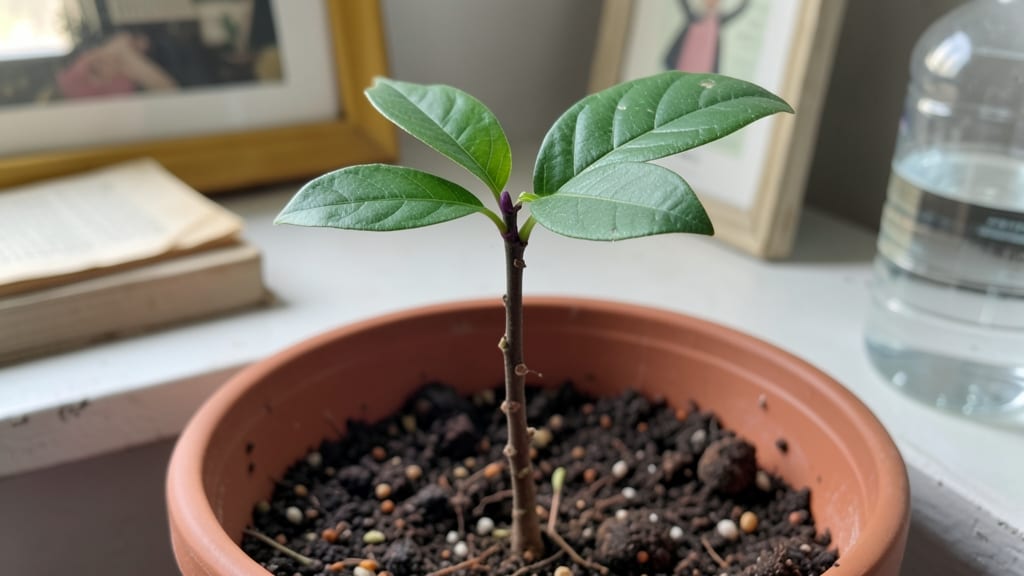
Watch your mango seed growth bloom in days—not weeks—by cracking the secret of those first 48 hours, where patience meets paradise. 🌱 Skipping the paper towel trick means waiting far too long, but with the right prep, you’ll see roots in just 2-3 weeks.
I’ve sprouted seeds this way three times, and the fastest one cracked open in 12 days.
The secret isn’t fancy equipment—just a plastic bag, a damp paper towel, and patience. You’ll need a sunny spot (or grow light), well-draining soil, and a pot with drainage holes.
Most people overlook the temperature: mango seeds need warmth (75-85°F) to germinate, so a seedling heat mat helps if your home runs cooler. My first batch failed because I didn’t keep it warm enough.
By month three, you’ll have a sturdy sapling with real leaves, not just the first two seed leaves. The growth is slow at first, but once it hits 12 inches, it shoots up like crazy.
Just don’t expect fruit for 5-10 years—this is a marathon, not a sprint. The real payoff? A tree that thrives in pots or your yard, with glossy leaves that smell like sunshine.
Works for indoor growers, balconies, or backyard spots with partial shade. The biggest mistake? Rushing transplanting—wait until roots fill the starter pot before moving up. Here’s how to keep it growing strong from day one.
📚 In This Guide
- What you need
- Instructions
- Tips and common mistakes
- Wrapping up and next steps
What you need
- ● Mango seeds: 3–5 fresh, plump seeds (harvested from ripe, organic mangoes for best results).
- ● Small pots or seed trays: 4–6 inches deep with drainage holes (biodegradable pots or plastic containers work too!).
- ● Well-draining potting mix: A blend of coco coir, perlite, and peat moss (or a cactus/succulent mix). Pro tip: Avoid heavy garden soil—it can suffocate roots! 💡
- ● Spray bottle: For gentle watering (a fine mist works best).
- ○ Plastic wrap or humidity dome: To create a mini greenhouse effect (optional but helpful for faster sprouting).
- ○ Heat mat (optional): A seedling heat mat (70–80°F range) to speed up germination if your home is chilly.
- ● Sunlight access: A bright windowsill (south-facing) or a grow light for 6+ hours daily.
- ● Fertilizer: A diluted liquid seaweed fertilizer or balanced 10-10-10 once sprouts appear (use sparingly!).
- ● Pruning shears: For trimming leggy seedlings later.
- ● Larger container: A 5-gallon pot with drainage for transplanting after 6–12 months.
- ● pH test kit: To check soil acidity (mangoes prefer slightly acidic, 5.5–6.5 pH).
Step-by-Step instructions for growing mango trees from seed
Here’s how to coax a mango seed into a thriving sapling—no green thumb required.
🌱 Step 1: Extract and Prepare the Seed
Start with a fresh, plump mango pit—never dried or cracked. Rinse it thoroughly under warm water to remove any pulp residue, then pat it dry with a paper towel. The key to fast sprouting is breaking dormancy, so I like to gently sand the hard outer shell with fine-grit sandpaper (about 100 grit) until it’s slightly roughened. This lets moisture penetrate easier.
Don’t go overboard—just rough up one side enough to see the brown seed inside. Place the seed in a small bowl of lukewarm water for 24-48 hours. You’ll know it’s ready when the water turns slightly cloudy and the seed feels lighter. This soaking mimics tropical rainfall and kickstarts germination.
💧 Step 2: Plant in a Moist, Well-Draining Mix
Fill a 4-inch diameter pot with a mix of 50% potting soil and 50% perlite—this prevents rot while keeping moisture. Plant the seed 1 inch deep, with the roughened side facing up. Press the soil lightly around it so the seed stays in place but isn’t compacted.
Water gently until the soil is damp to the touch (not soggy). Cover the pot with a clear plastic bag secured with a rubber band to trap humidity. Place it in a warm spot—75-85°F is ideal—like on top of a fridge or near a sunny window. Check daily for condensation inside the bag; if it fogs up, your humidity is perfect.
☀️ Step 3: Wait for the First Sprout
Germination can take 2-4 weeks, but don’t rush it. You’ll see the first sign when a tiny white root breaks through the soil—this means the seedling is actively growing. Once the sprout reaches 2 inches tall, remove the plastic bag gradually over 3-4 days to harden it off.
Place the pot under bright, indirect light (no harsh midday sun yet). If you notice the seedling leaning toward the light, rotate the pot daily so it grows straight. Overwatering is the biggest killer at this stage—wait until the top inch of soil feels dry before watering again.
🪴 Step 4: Transplant and Care for Early Growth
When the seedling has 4-6 true leaves and a sturdy stem (usually 3-4 months in), repot it into a 6-inch pot with fresh potting mix. Gently loosen the roots if they’re circling the old container. After transplanting, place it in dappled shade for a week to reduce shock.
Mango trees love warmth but hate cold drafts. Keep it in a spot with 6+ hours of morning sun and 65-80°F temperatures. Water when the top 1-2 inches of soil dry out, and fertilize lightly with a balanced liquid fertilizer (10-10-10) every 2 months starting at 6 months.
⏰ Step 5: Encourage Strong, Fruitful Growth
By 1 year old, your mango tree should be 2-3 feet tall with a thick trunk. Prune leggy growth to encourage bushier shape—cut back 1/3 of the longest stems just above a leaf node. This redirects energy to the main trunk and branches.
Real talk: Fruit won’t appear for 5-10 years, but the journey is worth it. Keep it in a sunny, sheltered spot (like a greenhouse or patio), and you’ll have a lush tropical tree to enjoy year after year.
Tips & tricks for fast mango seed sprouting
Fast germination is all about mimicking tropical conditions—here’s how to speed things up without overcomplicating it.
Speed Up Germination: After roughing up the seed shell in Step 1, place it in a bowl of lukewarm water for the full 24-48 hours—don’t rush this! The cloudy water indicates active germination. For even faster results, place the bowl in a warm spot (like a sunny windowsill) during this time. I’ve seen seeds sprout in as little as 5 days with this method, though 2-4 weeks is more typical.
Soil Mix Matters: The 50% potting soil/50% perlite mix in Step 2 is key—it prevents rot while keeping moisture. If you don’t have perlite, substitute with coarse sand or vermiculite. Press the soil lightly around the seed to avoid air pockets, which can slow growth. A gentle pat with your fingers works best—think "firm but not compacted."
Humidity Hack: The plastic bag in Step 2 creates a mini greenhouse effect, but watch for mold! If you see fuzzy spots, remove the bag for a few hours to dry things out. For extra humidity, place the pot on a tray of pebbles with water (just below the pot). This keeps moisture levels consistent without overwatering the soil.
Light Transition: When removing the plastic bag in Step 3, do it gradually over 3-4 days. Start by lifting the bag for an hour each day, then remove it completely. This hardens off the seedling so it’s ready for brighter light. If your seedling leans toward the light, it’s telling you to rotate the pot daily—this keeps it growing straight and strong.
Pro Tips for Mango Seed Growth
- Fast germination is all about mimicking tropical conditions—here’s how to speed things up without overcomplicating it.
- Speed Up Germination: After roughing up the seed shell in Step 1, place it in a bowl of lukewarm water for the full 24-48 hours—don’t rush this!
- Soil Mix Matters: The 50% potting soil/50% perlite mix in Step 2 is key—it prevents rot while keeping moisture.
Frequently asked questions
Got questions about growing mango trees from seeds? You’re not alone! Here are some of the most common queries—and their straightforward answers—to help you get started on your tropical adventure.
How long does it take for a mango seed to sprout?
A mango seed typically sprouts within 2–4 weeks if kept warm (70–85°F) and moist. Patience is key—some seeds may take up to 6–8 weeks to crack open. If you don’t see signs of life after 8 weeks, try soaking the seed in warm water for 24 hours to encourage germination.
Can I grow a mango tree from any mango seed?
Yes, but results vary! Store-bought mangoes often yield infertile or slow-growing trees due to hybrid breeding. For better success, use seeds from ripe, locally grown mangoes—especially if they’re from a known variety. If you want a fruit-bearing tree faster, consider grafting later.
How fast does a mango seedling grow?
Seedlings grow slowly at first—expect just a few inches in their first year. With proper care (sunlight, water, and fertilizer), they can reach 3–6 feet in 2–3 years. Full maturity (fruit production) takes 5–10 years, but dwarf varieties may bear fruit sooner.
What if my mango seed moldy or rots?
Mold or rot usually means too much moisture or poor drainage. If you spot fuzzy growth or a foul smell, remove the seed from its container, let it dry for a day, and replant it in fresh, sterile soil. Keep the pot in a warm, shaded spot until new sprouts appear.
Can I grow a mango tree indoors?
Yes! Start seedlings indoors in a sunny window or under grow lights (12+ hours/day). Use a pot with drainage holes and transition outdoors gradually once temperatures stay above 50°F. Just know: indoor-grown trees may need extra care to thrive long-term in cooler climates.
Wrapping up and next steps
Growing a mango tree from seed is a rewarding journey that connects you to nature’s tropical magic! 🌱 With the right patience, care, and techniques, you can nurture a thriving sapling that may one day bear fruit.
Whether you’re a gardening newbie or a green-thumb enthusiast, every small step—from soaking seeds to transplanting—brings you closer to success.
Ready to take the next step? Start with just one seed today and watch your tropical dream grow! Share your progress with fellow plant lovers, and don’t forget to tag us—we’d love to see your mango seed sprouting adventure unfold. 🌿✨