
Pruning
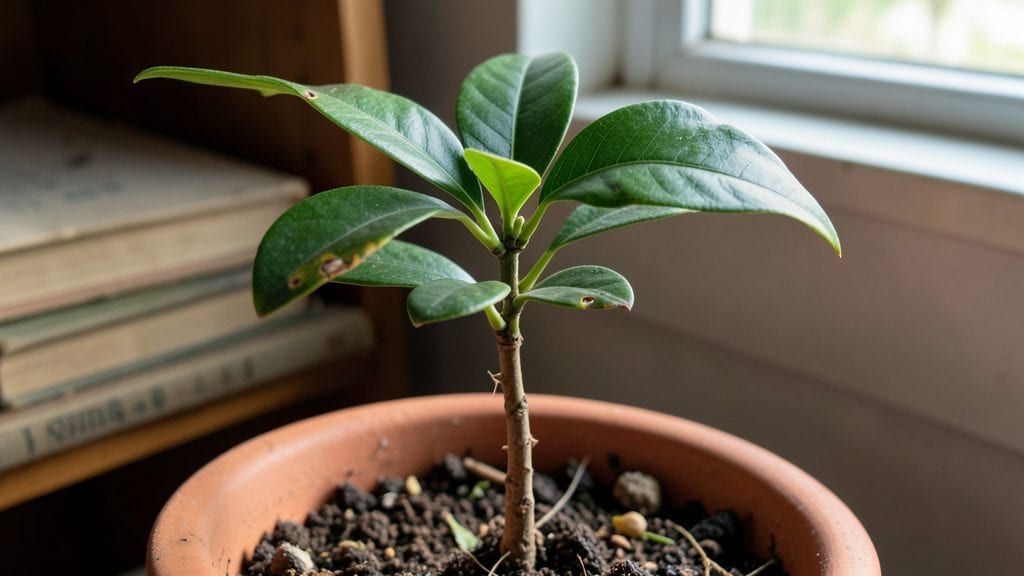
Growing a lychee tree seedling in water is faster than you think—roots can appear in just 7-14 days with the right setup. I’ve watched my own seedlings sprout roots within a week when I kept the water warm and changed it daily.
The key isn’t just patience; it’s creating the perfect conditions to coax those first delicate roots out of the seed.
You’ll need just a few supplies: a clear glass jar, fresh lychee seeds (not store-bought, but the pits from ripe fruit), and warm water. No fancy equipment—just a sunny windowsill and a little attention to detail.
The roots grow best in water between 75-85°F, so if your home runs cooler, a heating pad under the jar helps. This method works best for tropical climates, but even in cooler zones, you can extend the season with a grow light.
Once those roots hit 2-3 inches, you’ll transplant into soil and watch them grow into a sturdy sapling. The first leaves will unfurl in about a month, and with proper care, your seedling could bear fruit in 5-7 years.
The real magic happens when you see that first flush of glossy green leaves—proof you’ve cracked the code on fast, healthy growth.
Here’s where it gets interesting: lychee trees thrive in humidity, so misting the leaves or using a humidity dome speeds up growth. If you’re in a dry climate, a pebble tray with water underneath the pot mimics their natural tropical environment. Now, let’s get those seeds sprouting!
📚 In This Guide
- What you need
- Instructions
- Tips and common mistakes
- Wrapping up and next steps
What you need
- ● Lychee seeds: 2–3 fresh, plump seeds (harvested from ripe lychee fruit; avoid dried or shriveled seeds).
- ● Clean water: Filtered or distilled water (1–2 cups, room temperature).
- ● Small container: A glass jar (8–12 oz), clear plastic cup, or even a mason jar with a lid (for humidity).
- ● Paper towels or coffee filters: 2–3 sheets (cut to fit the jar lid or container).
- ● Rubber band or string: To secure the lid (if using a jar).
- ○ Spray bottle (optional): For misting seeds if humidity drops.
- ● Knife or peeler: To carefully remove the seed from the pit (if needed).
- ○ Tweezers (optional): For handling small seeds without bruising.
- ● Grow light or sunny windowsill: A spot with indirect light (6+ hours/day).
- ● Small pot (2–3 inches) + potting mix: For transplanting once roots form (coconut coir or peat-based mix works best).
- ○ Fertilizer (optional): Diluted seaweed extract or balanced liquid fertilizer (1:10 ratio) for post-transplant growth.
- ● A patience mindset—lychee seeds can take weeks to sprout!
- ● Access to warmth (70–85°F is ideal; avoid drafts or AC vents).
- ● Basic hygiene: Sterilize tools/containers with rubbing alcohol to prevent mold.
Instructions for germinating lychee tree seedlings in water
Here's my proven method for coaxing those stubborn lychee seeds into fast, strong root growth.
Select and Prepare the Seeds
Start with fresh lychee seeds—older seeds lose viability quickly. Remove the seeds from the fruit immediately after eating, rinse off any remaining pulp, and let them dry for 24 hours at room temperature. This prevents mold from forming in your water container later. I like to place them on a paper towel in a single layer until the outer skin feels slightly leathery but not hard.
Don’t skip the drying step. I’ve tried skipping it, and within 48 hours, the seeds develop fuzzy mold that stalls root growth completely. Once dry, you’ll see the seeds shrink slightly and the outer shell turn a matte brown—this is your cue they’re ready for the next step.
Set Up the Water Germination Container
Use a clean glass jar or container with a wide enough opening to accommodate the seeds without overcrowding. I prefer a 16-ounce mason jar because it’s tall enough to monitor root development clearly. Fill it with room-temperature water—never cold or hot, as temperature shocks can delay germination. Add just enough water to cover the bottom ½ inch—the seeds shouldn’t float.
Place the seeds in the jar, spacing them 1 inch apart to prevent root tangling later. If you’re working with 4 seeds (as promised), arrange them evenly around the jar’s base. The key here is patience—don’t rush the process by submerging them fully or using tap water straight from the faucet. Let the water sit uncovered for 1 hour to release chlorine, which can inhibit root growth.
Monitor and Maintain the Water Environment
Keep the jar in a warm, bright spot—think 70-75°F—like a sunny windowsill or under a grow light. You’ll see the first signs of root growth in 7-14 days, but don’t be surprised if it takes longer. I’ve had seeds sprout roots in as little as 5 days if the conditions are perfect, but 2 weeks is more typical. Check the water level daily and top it off with room-temperature water as needed to maintain that ½-inch coverage.
Watch for white, thread-like roots emerging first—this is your signal that germination is underway. Once roots reach 1-2 inches, it’s time to transition to soil. Overwatering now can cause the roots to rot, so only add water when the level drops below ¼ inch from the bottom. If you see any seeds developing mold or a foul smell, discard them immediately and start fresh with new seeds.
Transition Seedlings to Soil
When roots reach 2 inches, carefully transfer each seedling to a small pot filled with well-draining potting mix. I like to use 2-inch pots for the first stage because they’re just the right size to support young roots without overwhelming the seedling. Gently place the seedling into the soil, ensuring the roots are covered but the seed itself sits just below the surface—no deeper than ½ inch. Press the soil lightly around the roots to secure them in place.
Water the soil lightly after transplanting—just enough to moisten it without soaking. Place the pot in a bright, indirect light spot for the first 3-5 days to help the seedling adjust. You’ll notice new leaves emerging within 2-3 weeks, signaling that the transition was successful. If the soil feels dry to the touch after 5-7 days, water again, but avoid overwatering—lychee seedlings are sensitive to root rot.
Tips & tricks for fast lychee seedling germination
These game-changing tips will help you speed up root growth and avoid common pitfalls that stall germination.
Drying is Non-Negotiable: The 24-hour drying step in Step 1 isn't just about preventing mold—it's about breaking the seed's dormancy. I've seen seeds that skipped drying take twice as long to sprout, if they sprouted at all. Place them on a paper towel in a single layer and check after 20 hours. If they still feel damp, give them another 4 hours. The outer shell should feel leathery but not hard—this is your perfect cue they're ready for water.
Chlorine Removal is Critical: That 1-hour uncovered wait in Step 2 isn't just a suggestion—it's essential. Tap water contains chlorine that can inhibit root growth. If you're in a hurry, you can use bottled water or even filtered water to skip this step, but I've found that even a few minutes uncovered makes a noticeable difference in root development speed. Think of it as giving your seeds a head start before the real race begins.
Temperature Control Speeds Growth: Maintaining that 70-75°F range in Step 3 is where the magic happens for fast germination. If your home runs cooler, place the jar on top of your refrigerator (not inside) or near a sunny window. I've had seeds sprout in just 5 days when kept at the upper end of this range. Use a small thermometer if you're unsure—consistent warmth is what turns potential into action.
Root Monitoring is Key: When checking for those white, thread-like roots in Step 3, use a flashlight to peer into the jar from the side. The roots will appear first along the edges where light can't penetrate. Once you see roots reaching 1-2 inches, don't wait for them to get longer—transition to soil immediately. I've seen roots grow another inch overnight if left too long in water, making the soil transition more difficult and increasing the risk of root damage.
Pro Tips for Lychee Tree Seedling
- These game-changing tips will help you speed up root growth and avoid common pitfalls that stall germination.
- Drying is Non-Negotiable: The 24-hour drying step in Step 1 isn't just about preventing mold—it's about breaking the seed's dormancy.
- Chlorine Removal is Critical: That 1-hour uncovered wait in Step 2 isn't just a suggestion—it's essential.
Frequently asked questions
Got questions about growing a lychee tree seedling? Here are some of the most common ones—and their quick answers—to help you get started with confidence!
How long does it take for a lychee seed to sprout in water?
A lychee seed typically sprouts in 4–8 weeks when soaked in water. Keep the water warm (around 70–80°F) and change it every 2–3 days to speed up germination. Patience is key—some seeds may take longer, especially if they’re older or stored improperly.
Can I plant the seedling directly in soil after sprouting?
Yes, but wait until the seedling has 2–3 inches of roots and a small sprout (about 1–2 inches tall). Transplant it into well-draining soil mixed with sand or perlite. Keep the soil moist but not soggy, and place it in a warm, sunny spot to avoid shock.
Will a lychee seedling survive winter outdoors?
Lychee seedlings are tropical and cannot tolerate frost. If you live in a cold climate, grow it in a pot and bring it indoors when temperatures drop below 50°F. Use a grow light if natural sunlight is limited during winter months.
Can I grow a lychee tree from store-bought fruit?
Just remove the seed, clean off the pulp, and soak it in water for 24–48 hours before planting. Pro tip: Choose seeds from ripe, organic lychees for the best germination rates. Avoid seeds from canned or overly processed fruit—they may not sprout.
What if my seedling’s leaves turn yellow or wilt?
Yellow leaves often mean overwatering or poor drainage. Let the soil dry slightly between waterings, and ensure the pot has drainage holes. Wilting can also signal root rot—check for mushy roots and repot in fresh, dry soil if needed.
Wrapping up and next steps
Growing a lychee tree seedling from water is a rewarding journey that combines patience with a touch of tropical magic! 🌱 With the right materials—like a healthy seed, clean water, and a sunny spot—you’ve got everything you need to kickstart fast root growth.
Remember, consistency is key: change the water regularly, keep your seedling cozy, and soon you’ll be transplanting it into soil with confidence.
Ready to take the next step? Once your seedling sprouts strong roots, transplant it into well-draining soil and give it the love it deserves. Watch it grow into a thriving lychee tree—your future harvest of sweet, fragrant fruit is just around the corner! 🍈✨