
Blooming
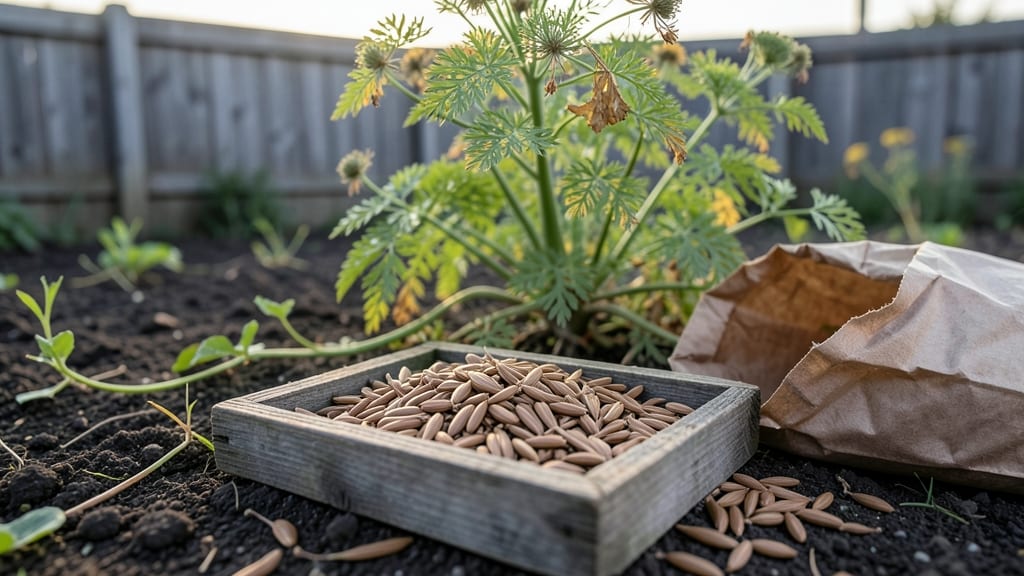
Long coriander seeds don’t just grow—they transform your kitchen into a fragrant, year-round spice garden. 🌱 I’ve grown coriander from seed for over a decade, and the difference between store-bought and homegrown is night and day.
The key? Understanding how to coax those tiny, slow-starting seeds into vigorous plants that keep producing leaves and seeds for months.
Most gardeners struggle with two things: germination and bolting. Coriander seeds need a 60-65°F soil temperature to sprout reliably, and a single hot day can send the plant bolting before you get useful leaves.
But with the right timing and care—pre-soaking seeds, using well-draining soil, and providing consistent moisture—you’ll have lush plants ready for harvest in just 4-6 weeks.
What you’ll end up with is a dual-purpose plant: fresh cilantro for cooking and dried coriander seeds for spice blends. The leaves stay tender longer, the seeds mature fully, and you’ll never need to buy them again.
Plus, the scent of fresh cilantro in your garden is unmistakable—bright, citrusy, and impossible to resist.
This method works for containers, raised beds, or even sunny windowsills. Whether you’re growing for the leaves or the seeds, the same simple steps apply. Let’s get those seeds planted right.
📚 In This Guide
- What you need
- Instructions
- Tips and common mistakes
- Wrapping up and next steps
What you need
- ● Long coriander seeds (Coriandrum sativum): 1 packet (about ½ oz or 15g) – Look for organic, non-GMO seeds for best results.
- ● Potting soil: 1 bag (10-12 quarts) – Use a well-draining, organic potting mix (avoid garden soil unless sterilized).
- ● Containers or garden bed: For indoor/container gardening: 3-5 small pots (6-8 inches deep) with drainage holes.
- ● For outdoor planting: A sunny spot with loose, fertile soil (6+ inches deep).
- ● Watering can or spray bottle: 1 – A gentle spray works best for seedlings.
- ○ Fertilizer (optional but recommended): 1 bottle of balanced liquid fertilizer (e.g., 10-10-10) or compost tea.
- ○ Gloves (optional): 1 pair – To protect your hands from soil and seeds.
- ● Trowel or small shovel: 1 – For planting seeds or transplanting seedlings.
- ● Sunlight access: 6+ hours of direct sunlight daily (or a grow light for indoor setups).
- ● Temperature control: Ideal range of 60–75°F (15–24°C) – Coriander is sensitive to heat!
- ● Patience (the most important tool!): 😉 – Seeds germinate in 7–14 days.
Step-by-step guide to growing long coriander seeds for year-round harvest
Here's how to cultivate coriander from seed—so you'll always have fresh, aromatic leaves and seeds on hand.
🌱 Step 1: Start Seeds Indoors for Early Growth
Fill 4-inch seedling pots with sterile seed-starting mix (never garden soil—it's too dense and may harbor pathogens). Moisten the mix until it holds together when gently squeezed but doesn't drip. Coriander seeds need warmth to germinate, so place the pots on a seedling heat mat set to 75-80°F. This ensures consistent warmth and faster germination.
Sow 2-3 seeds per pot at a depth of ¼ inch—any deeper delays sprouting since the seedling must push through extra soil. Cover lightly with additional mix and mist the surface with a spray bottle until evenly damp. Place the pots in a humidity dome or cover with plastic wrap to retain moisture. Germination typically occurs in 7-14 days, but be patient—coriander can be slow to sprout.
☀️ Step 2: Transplant and Provide Optimal Light
Once seedlings develop 2-3 true leaves (the first set are cotyledons, not true leaves), transplant them into 6-inch pots filled with well-draining potting mix. Gently remove the seedlings from their starter pots, ensuring you don’t disturb the roots. Place each seedling 1 inch apart in the new pot to allow room for growth.
Coriander thrives in full sun to partial shade—6-8 hours of direct sunlight daily is ideal. If growing indoors, position the pots near a south-facing window or under grow lights set to 12-14 hours of light per day. Without enough light, seedlings will stretch and become leggy, a sign they’re reaching for more sunlight. Watch for this and adjust the light source immediately if needed.
💧 Step 3: Maintain Moisture and Harvest for Continuous Supply
Water the plants when the top inch of soil feels dry—coriander dislikes soggy soil, which can cause root rot. Use a watering can with a fine rose to avoid disturbing the soil or dislodging seedlings. Once established, coriander is relatively drought-tolerant but prefers consistent moisture. You’ll know you’re watering correctly when the soil stays evenly damp but never waterlogged.
Harvest outer leaves as soon as they reach 3-4 inches to encourage bushier growth. For seeds, allow some stems to flower and dry completely on the plant. Once the seed pods turn brown and brittle, snip them off and dry them in a paper bag for a few days. Store the dried seeds in an airtight container in a cool, dark place for up to 1 year. This ensures you’ll always have fresh seeds ready for your next planting.
Tips & tricks for perfect long coriander seeds
A few simple strategies will help you maximize your coriander harvest and avoid common pitfalls.
Heat Factor: That 75-80°F heat mat temperature is non-negotiable for germination. I've tried using regular room temperature (around 68°F) and germination took nearly twice as long—14 days instead of 7-10. For faster results, place your pots on a heating pad set to low or use a seedling heat mat. If you don't have one, try placing pots on top of your refrigerator (the coils provide gentle warmth).
Lighting Strategy: The 12-14 hours of light requirement is crucial for preventing leggy seedlings. If using grow lights, position them just 4-6 inches above the plants—they'll grow toward the light if they're too far away. For south-facing windows, rotate your pots daily so all sides get even light exposure. I've seen seedlings stretch to 8 inches tall when they don't get enough light, making them weak and prone to falling over.
Transplanting Technique: When moving your seedlings to 6-inch pots, handle them by their leaves rather than the stems to avoid damage. The roots are delicate, so gently tease them apart if you're planting multiple seedlings in one pot. I've found that using a small spoon to lift seedlings from their starter pots reduces root disturbance. Space them 1 inch apart to give them room to establish strong root systems before they get crowded.
Harvesting Hack: For continuous leaf production, always harvest the outer leaves first using clean scissors. This encourages new growth from the center. When saving seeds, let some stems flower completely—they'll produce those beautiful brown seed pods. I like to tie small paper bags around seed heads just before they turn brown to catch any fallen seeds. This gives me a higher yield when it's time to harvest.
Pro Tips for Long Coriander Seeds
- A few simple strategies will help you maximize your coriander harvest and avoid common pitfalls.
- Heat Factor: That 75-80°F heat mat temperature is non-negotiable for germination.
- Lighting Strategy: The 12-14 hours of light requirement is crucial for preventing leggy seedlings.
Frequently asked questions
Got questions about growing long coriander seeds? You’re not alone!
Here are some of the most common queries—plus quick, practical answers to keep your herb garden thriving all year round.
How long does it take for long coriander seeds to germinate?
Long coriander seeds typically sprout within 7 to 14 days after planting, depending on soil warmth and moisture. For faster results, soak seeds overnight in warm water before sowing. Keep the soil consistently moist but not soggy—patience is key!
Can I grow long coriander seeds in winter?
Yes! Long coriander thrives in cooler weather, making it perfect for winter gardens. Start seeds indoors 6–8 weeks before the last frost or sow directly in well-draining soil when temperatures drop below 75°F. Use row covers to protect young plants from frost.
What’s the best way to use long coriander seeds in cooking?
These seeds are a flavor powerhouse! Toast them lightly in a dry pan for 1–2 minutes to enhance their aroma, then grind into a powder for curries, soups, or marinades. Or, use whole seeds in pickling spices or as a garnish for roasted dishes. Pro tip: Pair them with cumin or fennel for a savory kick!
Why aren’t my long coriander seeds sprouting?
If seeds refuse to sprout, check these fixes:
- Soil temperature: Coriander loves 60–75°F soil—too hot or cold can stall germination.
- Moisture: Keep soil damp (not waterlogged) and mulch lightly to retain humidity.
- Seed viability: Test seeds by soaking a few—if they float, they’re likely old or dead.
What’s a good alternative if I can’t find long coriander seeds?
If long coriander (Coriandrum sativum) is unavailable, try:
- Regular coriander seeds (same plant, just shorter stems)—great for cooking!
- Cilantro seeds (same as coriander seeds, just harvested differently).
- Fennel seeds for a sweet, anise-like flavor (though milder).
Wrapping up and next steps
Growing long coriander seeds year-round is simpler than you think—just follow these three easy steps! 🌱 With the right soil, sunlight, and care, you’ll enjoy a fresh, vibrant herb harvest anytime.
Whether you’re a seasoned gardener or just starting, this method makes it effortless to keep your kitchen stocked with homegrown flavor.
Ready to take the next step? Start with a small batch—try it in a pot on your balcony or windowsill. Once you see those lush green leaves sprouting, you’ll be hooked! Happy growing, and may your coriander always stay blooming and bountiful. 🌿✨