
Trees
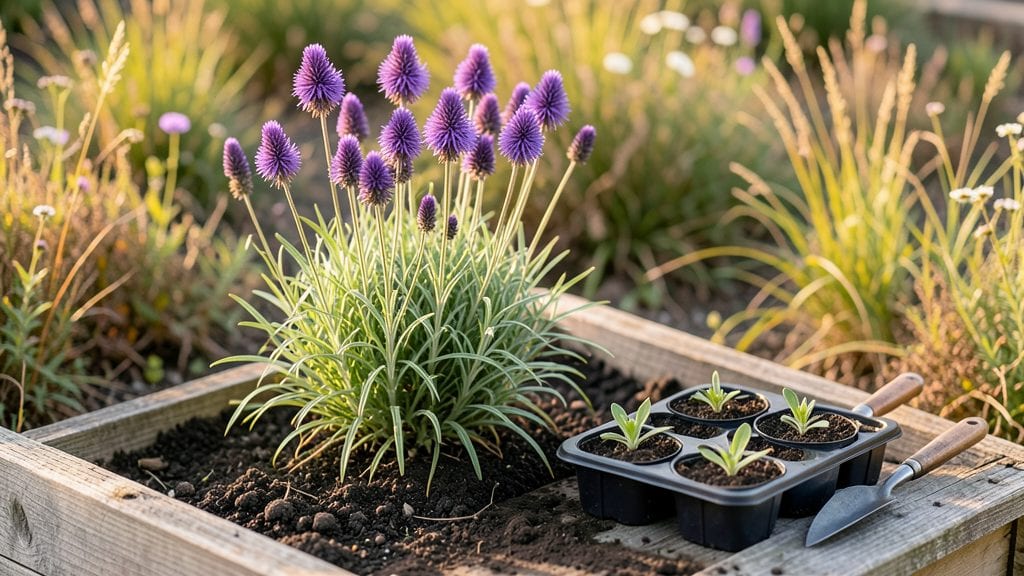
The identification of a liatris seedling can feel like finding a needle in a haystack at first—those tiny, grass-like shoots look just like weeds until you know what to spot. 🌱 I’ve spent years watching these purple coneflower starters push through the soil. and the key is in their leaves: narrow, arching blades with a distinctive V-shaped fold when young, plus a rosette pattern that hugs the ground like a tiny fan.
The real trick is comparing them to your garden’s usual suspects—dandelions, chickweed, or even young grasses. Liatris seedlings stay low and compact, rarely exceeding 2 inches in their first season, while weeds often shoot up straighter or develop broader leaves.
Once you spot that signature purple tint at the base of the leaves, you’ve found your match.
Once identified, give them space—they’ll reward you with bold purple spikes by next summer. Thin seedlings to 6 inches apart to avoid competition, and water gently at the base to keep those delicate roots happy. The first year is all about patience; they’ll store energy underground for their big show.
This works for both wild-collected seeds and nursery starts, though wild seedlings might take longer to bloom. Keep an eye out after rains—they pop up fast when conditions are right. Now, let’s get those little purple promises growing strong!
Mistakes That Confuse Seedlings
Identifying young liatris seedlings can be tricky, especially when they mimic other plants or struggle to thrive. Below are the most common reasons why misidentification or poor growth occurs—and how to spot them early.
Liatris seedlings often resemble other wildflowers or grasses in their earliest stages, making them hard to distinguish. Here’s why this happens:
- Slow Unfolding of True Leaves: Young liatris seedlings start with tiny, grass-like cotyledons (seed leaves) that look nothing like the mature plant.
These can be confused with: - Grasses (e.g., Poa or Festuca species) - Other wildflowers like Echinacea (purple coneflower) seedlings or Rudbeckia (black-eyed Susan) - Delayed Flowering: Liatris typically takes 1–2 years to produce its signature purple cone-shaped blooms.
Without flowers, identification relies on leaf shape and arrangement: - Narrow, basal rosette (early stage) - Stiff, upright stems (later stage) - Actionable Fix: Wait for second-year growth when leaves develop a slightly fuzzy texture and form a tight spiral pattern at the base.
Compare with a mature liatris plant for confirmation.
Seedlings under stress may develop abnormal traits that mislead identification efforts. Common stressors include:
| Stress Factor | What It Looks Like | Why It Happens |
|---|---|---|
| Overwatering | Yellowing leaves, mushy stems | Roots suffocate from poor drainage; liatris prefers dry to moderately moist soil. |
| Underwatering | Wilting, crispy edges, stunted growth | Drought-sensitive seedlings struggle without consistent moisture. |
| Poor Soil pH | Chlorosis (yellowing between veins) | Liatris thrives in slightly acidic to neutral soil (pH 6.0–7.5); alkaline soil locks out nutrients. |
| Competition | Slow growth, lean stems | Weeds or grasses outcompete seedlings for sunlight and nutrients. |
| Actionable Fix: Test soil pH with a kit, amend with compost, and mulch to retain moisture while reducing weeds. Avoid heavy clay soils—liatris roots need aeration!
Young liatris are vulnerable to pests and pathogens that alter their appearance, making them harder to identify:
- Aphids or Spider Mites:
- Why? These sap-suckers weaken seedlings, causing stunted growth that mimics poor genetics.
- Fix: Spray with neem oil or introduce ladybugs (natural predators).
If you’re identifying seedlings from wild harvests or purchased mixes, these mistakes are common:
- Mixing with Look-Alikes:
- Key Difference: True liatris has hairy stems and narrow, grass-like leaves even as adults.
- Stored seeds may sprout into weak or deformed seedlings if not stratified (cold-treated) properly.
- Fix: Chill liatris seeds for 4–6 weeks in a damp paper towel before planting for higher germination rates.
- Burying seeds more than ¼ inch deep can suffocate seedlings, leading to slow or failed emergence.
- Fix: Lightly press seeds into well-draining soil and keep moist (not soggy).
Fixing Common Liatris Seedling Struggles
Now that you understand the challenges behind identifying and nurturing liatris seedlings, let’s tackle the solutions with clear, actionable steps. Whether your seedlings are struggling to sprout, growing too slowly, or showing signs of disease, these fixes will help you turn things around—without the guesswork.
If your liatris seeds are taking their sweet time (or not sprouting at all), the issue is often tied to moisture, temperature, or seed viability. Here’s how to troubleshoot:
🔥 Check Your Planting Depth & Soil Moisture
- Problem: Seeds buried too deep or soil too dry/hardened.
- Fix:
- Lightly scratch the soil surface (no deeper than ¼ inch) to expose seeds to light—liatris needs it to germinate!
- Keep soil consistently moist (not soggy) with a spray bottle or gentle watering can.
A clear plastic dome or humidity tray can help retain moisture. - Pro Tip: 💡 Test your soil’s moisture by squeezing a handful—if it crumbles easily, add water.
🌡️ Adjust Temperature & Light Conditions
- Problem: Soil too cold or seedlings in low light.
- Fix:
- Warmth is key! Liatris thrives in 65–75°F (18–24°C) soil.
If your garden is still chilly, use a seedling heat mat or move pots to a sunny windowsill. - Place seedlings in bright, indirect light (south-facing window or a grow light 2–3 inches above them).
Avoid harsh direct sun until they’re 2–3 inches tall. - Prevention: 🌡️ Start seeds indoors 6–8 weeks before the last frost for optimal warmth control.
🔍 Assess Seed Viability
- Problem: Old or low-quality seeds may not sprout.
- Fix:
- Test seeds by soaking 10 in warm water for 24 hours—if fewer than 50% float, they’re likely non-viable.
- Solution: Buy fresh seeds from a reputable supplier or collect seeds from healthy, mature liatris plants (harvest cones when they turn brown, then dry them for 1–2 weeks).
If your seedlings show yellowing leaves, holes, or mold, pests or pathogens may be the culprit. Here’s how to combat them:
🐜 Identify & Eliminate Pests
| Pest | Signs | Fix |
|---|---|---|
| Aphids | Sticky residue, curled leaves | Spray with soapy water (1 tsp mild soap + 1 quart water) or introduce ladybugs. |
| Slugs/Snails | Chewed leaves, slime trails | Set up beer traps (bury a shallow dish filled with beer) or use copper tape around pots. |
| Spider Mites | Tiny webs, speckled leaves | Wipe leaves with neem oil solution (1 tsp neem oil + 1 quart water). |
🍄 Fungal Issues?
Prevent & Treat - Problem: Gray mold, powdery mildew, or damping-off (black stems). - Fix: - Improve airflow by spacing seedlings 2–3 inches apart and avoid overcrowding. - Water at the base (not overhead) to keep leaves dry. - Prevention: 🌡️ Use sterilized soil (bake in oven at 200°F for 30 mins) and add 1 part perlite to 3 parts potting mix for drainage. - Treatment: Spray with baking soda solution (1 tsp baking soda + 1 quart water + a drop of dish soap) every 7–10 days.
If your liatris seedlings are small and leggy, they’re likely light-deprived or nutrient-starved. Here’s how to speed up their growth:
💡 Optimize Light & Fertilizer
- Problem: Etiolated (tall, weak) seedlings from insufficient light or over-fertilizing.
- Fix:
- Gradually introduce sunlight—start with 2–3 hours/day and increase to full sun over 1–2 weeks to avoid shock.
- Fertilize lightly: Use a balanced, water-soluble fertilizer (like 10-10-10) diluted to half-strength every 4 weeks. Avoid high-nitrogen fertilizers—they encourage leafy growth over roots.
- Pro Tip: ✨ Add worm castings or compost tea to the soil for a gentle nutrient boost without burning roots.
🌿 Transplanting Tips for Stronger Seedlings
- When to Transplant: Wait until seedlings have 2–3 true leaves and are at least 3–4 inches tall.
- How to Do It:
- Harden off seedlings by placing them outdoors for 1–2 hours/day over 5–7 days, gradually increasing time.
- Dig a hole twice as wide as the root ball and mix in compost for nutrients.
- Water deeply after transplanting to reduce shock.
- 🌱 Soil Prep: Amend garden soil with sand or compost to improve drainage—liatris hates soggy roots.
- 🌡️ Timing: Plant seeds after the last frost when soil temps are consistently above 60°F (15°C).
- 👀 Monitor Regularly: Check seedlings daily for pests, moisture levels, and growth progress.
- 📅 Calendar Reminder: Mark your calendar for thinning seedlings (keep only the strongest 3–4 inches apart) and first fertilization (6 weeks after sprouting).
With these solutions, your liatris seedlings should sprout confidently, grow vigorously, and thrive—setting you up for stunning purple blooms in no time! 🌸
Frequently asked questions
How do I tell if a tiny sprout is a liatris seedling?
Look for narrow, grass-like leaves forming a tight rosette close to the ground—this is the key difference from weeds. Young liatris seedlings also have a distinctive V-shaped fold in their leaves. Compare them to nearby grasses or dandelions: liatris stays low and compact, never exceeding 2 inches in the first year.
Why do my liatris seedlings look like weeds?
Early-stage liatris seedlings resemble grasses or other wildflowers because their first leaves (cotyledons) are simple and grass-like. The confusion comes from their slow development—true liatris leaves only develop their signature hairy texture and spiral pattern in the second year. Use a magnifying glass to check for the V-shaped leaf fold that’s unique to liatris.
Can I transplant liatris seedlings too soon?
Yes—transplanting before seedlings have 2-3 true leaves and are at least 3-4 inches tall stresses them. Wait until they’ve developed a sturdy root system (about 4-6 weeks after sprouting). Harden them off first by placing outdoors for 1-2 hours/day over 5-7 days before full transplant.
What’s the best way to store liatris seeds for next year?
Harvest mature seed cones when they turn brown, then dry them in a cool, dark place for 1-2 weeks. Store seeds in a paper envelope (not plastic) in the refrigerator for up to 1 year. For better germination, stratify seeds by chilling them in a damp paper towel for 4-6 weeks before planting.
How do I prevent liatris seedlings from getting fungal diseases?
Keep seedlings in well-draining soil (mix perlite with potting soil) and avoid overhead watering. Space them 2-3 inches apart for airflow, and water only at the base. If you spot powdery mildew, spray with a baking soda solution (1 tsp baking soda + 1 quart water + a drop of soap) every 7-10 days.