
Aphids
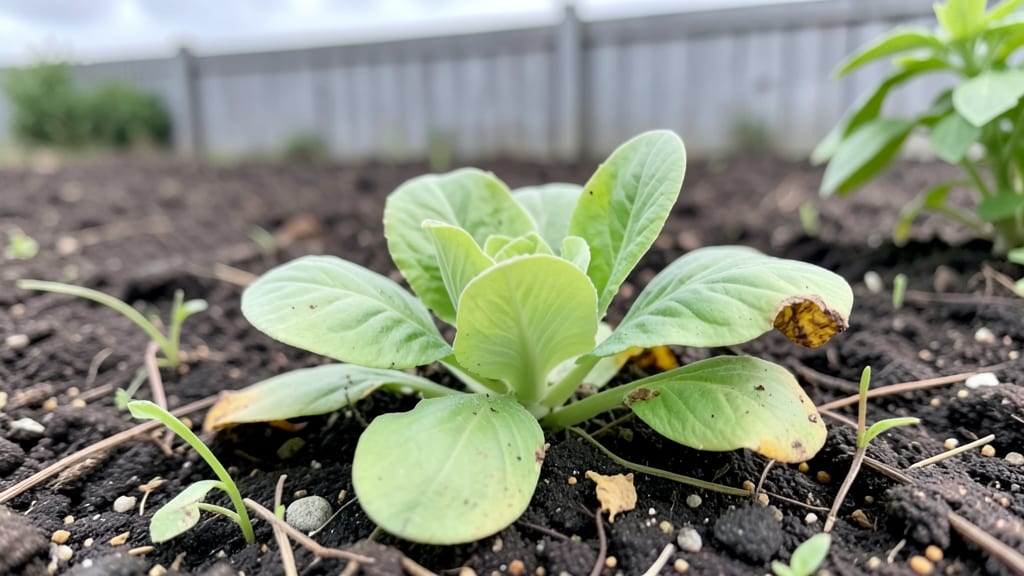
Mastering lettuce seedling identification at first glance saves you from pulling out healthy plants or missing early pest damage—✨ I’ve spent years watching seedlings go from tiny sprouts to thriving greens, and the biggest mistake is confusing true leaves with cotyledons. or bug damage.
The first pair of leaves (cotyledons) look smooth and round, while the real leaves that follow are jagged, serrated, or lobed, depending on the variety.
Romaine seedlings show long, narrow leaves almost from the start, butterhead types unfurl soft, rounded leaves, and leaf lettuce sprouts with loose, frilly edges. If you spot tiny holes, curled edges, or sticky residue, aphids or slugs are likely the culprits—act fast before they stunt growth.
A magnifying glass helps spot early signs, but even without one, healthy seedlings stand upright with vibrant green color and steady growth.
By the time your seedlings reach 2-3 inches tall, you’ll easily spot true leaves and catch any issues before they spread. Proper spacing and good light make identification easier—crowded seedlings grow leggy and weak, while well-lit ones develop strong, identifiable shapes.
This is where most gardeners trip up, but once you train your eye, you’ll never second-guess a seedling again.
Whether you’re growing in trays, pots, or directly in the garden, these visual cues work the same. The key is patience—wait until true leaves appear before transplanting, and you’ll avoid the heartbreak of uprooting what you thought was a pest but was actually a healthy start.
Here’s how to tell them apart for good.
📚 In This Guide
- What you need
- Instructions
- Tips and common mistakes
- Wrapping up and next steps
What you need
- ● Lettuce seedlings: 1–5 plants (young, 1–3 weeks old, with true leaves just emerging).
- ● Grow light or natural sunlight: 12–16 hours/day (LED grow lights work great for indoor setups).
- ○ Magnifying glass (optional but helpful): 5x–10x magnification to inspect leaves closely.
- ● Notebook & pen: For recording observations (e.g., leaf shape, color, damage).
- ● Spray bottle with water: For gentle rinsing to reveal hidden aphids or damage.
- ● Ruler or measuring tape: To track leaf size (true leaves should be ~1–2 inches long).
- ● Hand lens or smartphone microscope app: For ultra-close-ups of leaf veins and undersides.
- ● Insecticide-free spray (neem oil or soapy water): If you spot aphids early.
- ● Garden journal or app: To log growth patterns and damage over time.
- ● White tray or paper: For placing seedlings to improve contrast when inspecting.
How to identify healthy lettuce seedlings at every growth stage
Here's how to tell true growth from trouble—no guesswork, just clear visual cues.
🌱 Step 1: Spot the First True Leaves
Lettuce seedlings start with tiny, round cotyledons—their first leaves—which look like two plump, smooth green circles. These aren't true leaves, so don't panic if they appear uneven or slightly wrinkled. They're just the plant's baby nutrition system.
True leaves emerge next, about 7-10 days after planting. They'll be smaller, jagged-edged, and more pointed than the cotyledons. Watch for 3-4 true leaves before thinning seedlings—this is your signal they're ready for the next growth phase.
🌿 Step 2: Check Leaf Shape and Color
Healthy lettuce seedlings develop leaves that match their mature variety. Butterhead types grow rounded, slightly puckered leaves, while romaine varieties produce long, narrow, and upright leaves. If your seedlings' leaves look more like thin, pale, and stretched, they're likely light-starved or overcrowded.
Color matters too—deep green means strong growth, while yellowing or purple-tinged leaves signal stress. Purple hues often appear when seedlings get too cold (below 50°F) or don't have enough nitrogen. A quick fix is to move them to a warmer spot and add a balanced fertilizer.
💧 Step 3: Assess Stem and Root Health
Strong seedlings have thick, sturdy stems that stand upright. If stems look thin, watery, or bend easily, they're weak—likely from overwatering or poor light. Gently tug on a seedling: healthy roots should resist slightly when pulled, while mushy roots mean rot.
Look for signs of pests too. Tiny holes, chewed edges, or sticky residue on leaves mean aphids or slugs are visiting. I've found that a strong spray of water usually knocks off aphids, but slugs require a barrier of diatomaceous earth around the base.
✂️ Step 4: Distinguish Bug Damage From Normal Growth
Bug damage often looks like tiny holes, jagged edges, or black spots on leaves. True leaves, however, develop smooth edges that gradually become serrated as they mature. If you see uneven holes or missing chunks, check the soil surface for slug trails or aphid clusters.
Fungal issues appear as fuzzy gray or white patches on leaves or stems. Unlike true growth, which progresses upward, fungal damage spreads across the entire plant. Remove affected seedlings immediately and avoid watering from above to prevent spores from splashing onto healthy plants.
🪴 Step 5: Monitor Growth Patterns Over Time
Healthy lettuce seedlings grow at a steady pace, adding about 1-2 new leaves per week. If growth stalls or leaves suddenly yellow and wilt, check for root-bound conditions or nutrient deficiencies. A quick transplant into slightly larger pots with fresh potting mix usually revives them.
Keep a small notebook nearby to track your seedlings' progress. Note when true leaves appear, how quickly they grow, and any issues you spot. This helps you adjust care routines for future batches—like adding more light or thinning seedlings earlier next time.
Tips & tricks for perfect lettuce seedling identification
Here's what I've learned after years of watching seedlings grow—these tricks will help you spot healthy growth and catch problems early.
Timing Secret: The 7-10 day window for true leaves to appear is your best indicator of healthy development. I've found that seedlings grown under grow lights often develop true leaves slightly faster—around 5-7 days—because the consistent light triggers quicker growth. Watch for those jagged edges to confirm they're true leaves, not just stretched cotyledons.
Color Clues: That 50°F temperature threshold is critical—any colder and you'll see purple tinges appear. I keep my seedlings above 55°F to prevent this stress signal. For extra protection, I've started using clear plastic domes over my seedling trays, which creates a mini greenhouse effect and maintains consistent warmth.
Stem Strength Test: When assessing stem health, I've developed a simple tug test: gently grasp the seedling near the soil line and give a very slight pull. Healthy stems should resist slightly but not break—think of it like testing a ripe avocado. If it pulls out easily, those roots need attention. This test works best in the morning when soil is slightly drier and firmer.
Growth Pattern Tracking: I keep a small whiteboard by my seedlings to track leaf count and growth rate. Marking when the 3-4 true leaves appear helps me remember when to thin. I've noticed that seedlings growing in richer soil (with added compost) often develop their second set of true leaves about 3-4 days earlier than those in basic potting mix.
Pro Tips for Lettuce Seedling Identification
- Here's what I've learned after years of watching seedlings grow—these tricks will help you spot healthy growth and catch problems early.
- Timing Secret: The 7-10 day window for true leaves to appear is your best indicator of healthy development.
- Color Clues: That 50°F temperature threshold is critical—any colder and you'll see purple tinges appear.
Frequently asked questions
How do I tell if my lettuce seedlings are healthy or just slow-growing?
Healthy lettuce seedlings have smooth, deep green leaves with a firm texture. Slow growth is normal in cool weather, but yellowing, wilting, or stunted leaves signal issues like overwatering, nutrient deficiency, or pests. Check soil moisture and inspect undersides for aphids or mites.
When should I expect the first true leaves to appear on lettuce seedlings?
First true leaves (not the initial seed leaves) usually emerge 7–14 days after germination, depending on temperature and variety. They’ll look broader and more mature than the tiny, round cotyledons. If they’re late, ensure warm soil (60–70°F) and consistent moisture.
What’s the difference between aphid damage and natural lettuce seedling deformities?
Aphids cause crinkled, curled, or sticky leaves (from honeydew) and may leave behind tiny insects. Natural deformities are usually uniform and soft. Spray seedlings with water to dislodge pests or use neem oil for prevention.
Can I transplant lettuce seedlings before their first true leaves appear?
Wait until seedlings have 2–3 true leaves (not cotyledons) for best survival. Transplanting too early stresses roots. Harden off seedlings first by gradually exposing them to outdoor conditions over 5–7 days.
What can I do if my lettuce seedlings look leggy or stretched?
Leggy seedlings often result from low light or overcrowding. Move them to a brighter spot (6+ hours of sunlight) and thin seedlings to 1–2 inches apart. Avoid overwatering, which can weaken stems.
Wrapping up and next steps
Mastering lettuce seedling identification is your first step toward a thriving garden! 🌱 By recognizing true leaves from aphid damage, you’ll catch issues early and nurture healthy plants. Remember, patience and observation are key—your green thumb is growing stronger every day.
Ready to take the next step? Start monitoring your seedlings daily and compare them to the tips above. If pests strike, act fast—your lettuce will thank you with crisp, delicious leaves! 🥬