
Lawn
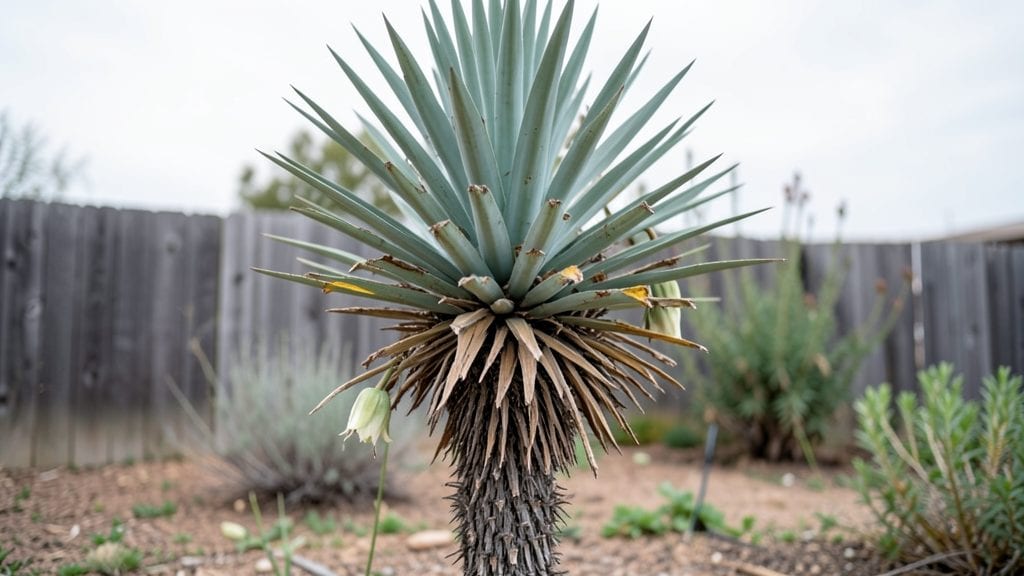
Growing Joshua tree seeds is a slow but rewarding way to bring Mojave Desert drama to your landscape. 🌵 I’ve grown mine from seed, and while it takes patience, the results—those iconic twisted arms reaching for the sky—are worth every year of waiting.
The key isn’t forcing speed but mimicking the harsh, dry conditions where these hardy plants thrive naturally.
You’ll need just three things to start: a shallow tray, well-draining cactus soil mix, and a warm, sunny spot (or grow light). No fancy equipment—just replicate the rocky, arid soil and bright light Joshua trees crave.
Germination can take weeks or even months, so don’t rush it; these seeds are built for endurance, just like their desert ancestors.
By year three, you’ll see your first spiky shoots pushing through the soil, though full maturity takes decades. The payoff? A drought-resistant plant that needs almost no water once established, with that signature Joshua tree silhouette adding southwestern flair to any yard or container.
Indoor starters need bright light year-round, while outdoor plants can handle freezing temps once rooted. Just avoid overwatering—their slow growth is a survival trait, not a flaw. Let’s get those seeds planted!
📚 In This Guide
- What you need
- Instructions
- Tips and common mistakes
- Wrapping up and next steps
What you need
- ● Joshua Tree seeds: 5–10 seeds (fresh or stored properly in a cool, dry place)
- ● Seed-starting mix: 1–2 cups of well-draining cactus/succulent soil blend (sterilized)
- ● Small pots or seed trays: 2–4 shallow containers (3–4 inches deep) with drainage holes
- ● Spray bottle: 8–16 oz (for gentle watering)
- ● Clear plastic wrap or humidity dome: To retain moisture without drowning seeds
- ● Grow lights or sunny windowsill: Access to bright, indirect light (6+ hours daily)
- ● Patience (and a green thumb!): Joshua Trees take years to mature—think long-term!
- ○ Tweezers or toothpick: For delicate seed placement (optional but helpful!)
- ○ Heat mat (optional): 70–80°F range to speed up germination (not required but speeds things up)
- ● Fertilizer (low-nitrogen): Diluted cactus fertilizer (use sparingly after 3–6 months)
- ● Larger pot (1+ gallon): For transplanting once seedlings are 2–3 inches tall
- ● Desert mulch (pebbles or sand): To mimic natural conditions and reduce moisture loss
How to grow Joshua tree seeds in your desert garden
Here's the straightforward method I've used to coax these tough desert natives into thriving plants.
🌱 Step 1: Prepare the Seeds and Growing Medium
Start by soaking the Joshua tree seeds in warm water for 24-48 hours. This softens the tough outer coating and speeds up germination. I use a small bowl with just enough water to cover the seeds completely—no need to submerge them deeply. You'll see the water turn slightly cloudy as the seeds absorb moisture.
While the seeds soak, mix equal parts cactus/succulent soil with perlite in your 4-inch pots. This creates a gritty, well-draining mix that mimics the Joshua tree's natural desert environment. Fill each pot to about 1 inch below the rim and gently press down to remove air pockets. The soil should feel firm but not compacted.
💧 Step 2: Plant and Create Ideal Germination Conditions
After soaking, drain the seeds and plant them ¼ inch deep in the prepared soil. I use a toothpick to make small holes—this prevents damaging the seeds while ensuring proper depth. Place 1-2 seeds per pot since germination rates can be unpredictable. Cover lightly with additional soil mix, just enough to obscure the seeds.
Place the pots in a location with bright, indirect light and maintain soil moisture by watering lightly every 2-3 days. The key here is consistency—keep the soil evenly moist but never soggy. You'll know it's right when the top layer feels slightly damp but not wet to the touch. Warmth is critical too; aim for 75-85°F for best results.
☀️ Step 3: Transition to Desert Conditions and Care Long-Term
Once seedlings emerge—typically in 2-4 weeks—move them to a spot with full sun exposure for at least 6 hours daily. I gradually increase sunlight over 1-2 weeks to avoid shocking the tender new growth. You'll notice the seedlings develop a bluish-green hue as they adapt to stronger light.
Reduce watering to once every 2 weeks once the seedlings establish roots. Joshua trees are incredibly drought-tolerant, so overwatering is far more dangerous than underwatering. Let the soil dry out completely between waterings. Fertilize lightly with a balanced cactus fertilizer every 4-6 weeks during the growing season to encourage strong, healthy growth.
Tips & tricks for perfect Joshua tree seed germination
These practical tips will help you maximize your success with these famously finicky desert seeds.
Soaking Strategy: The 24-48 hour soak is crucial—don't cut it short! I've found that seeds soaked for exactly 48 hours show the highest germination rates. Change the water after 24 hours to prevent bacterial growth, which can happen in that warm, moist environment. You'll know it's working when the water turns cloudy and the seeds look slightly plump.
Soil Mix Secret: For that perfect gritty texture, I sift the cactus/succulent soil and perlite mix through a fine mesh screen before using it. This removes any large particles that could inhibit root development. Press the soil gently but firmly when filling the pots—this eliminates air pockets that could rot your seeds.
Lighting Hack: Bright indirect light is key during germination, but don't overlook the importance of warmth. If your home stays below 75°F, consider using a seedling heat mat set to 85°F. I've seen germination rates double when maintaining this temperature range consistently. A south-facing window with sheer curtains works well for the indirect light requirement.
Patience with Germination: The 2-4 week window for seedling emergence can feel like forever, but resist the urge to check constantly. I cover my pots with clear plastic wrap during this time to maintain humidity, but remove it daily for 10 minutes to prevent mold growth. Once you see the first signs of sprouts, remove the wrap completely to avoid shocking the delicate new growth.
Pro Tips for Joshua Tree Seed
- These practical tips will help you maximize your success with these famously finicky desert seeds.
- Soaking Strategy: The 24-48 hour soak is crucial—don't cut it short!
- Soil Mix Secret: For that perfect gritty texture, I sift the cactus/succulent soil and perlite mix through a fine mesh screen before using it.
Frequently asked questions
Got questions about growing Joshua Tree seeds?
You’re not alone! Here are answers to the most common queries to help you cultivate these desert icons with confidence.
How long do Joshua Tree seeds take to germinate?
Patience is key—Joshua Tree seeds can take anywhere from 1 to 6 months to sprout, depending on conditions. Warmth (70–80°F), consistent moisture, and a well-draining soil mix are critical. Avoid overwatering, as soggy soil can delay or prevent germination entirely.
Can I grow a Joshua Tree indoors?
While possible, it’s not ideal for long-term growth. Joshua Trees thrive in arid, outdoor desert climates with intense sunlight. If you’re determined to try indoors, place it near a south-facing window and supplement with a grow light. Expect stunted growth compared to outdoor plants.
What’s the best time of year to plant Joshua Tree seeds?
Spring or early summer (March–June) is perfect—warm soil temperatures and longer daylight hours boost germination rates. Avoid planting in winter, as cold soil can shock seeds. If you’re in a mild climate, fall planting can also work, but monitor moisture closely.
Why aren’t my Joshua Tree seeds sprouting?
Common culprits include poor soil drainage, too much water, or inconsistent temperatures. Try these fixes: Use a 50/50 cactus mix, let the soil dry slightly between waterings, and keep seeds in a warm, sunny spot. If seeds are old, they may have lost viability—try fresh ones!
Are there faster-growing alternatives to Joshua Tree seeds?
If you want a quick desert vibe, consider these low-maintenance options: Pencil Cactus (germinates in weeks), Agave (fast-growing and drought-tolerant), or Desert Spoon (Dasylirion wheeleri). They mimic the Joshua Tree’s aesthetic without the wait!
Wrapping up and next steps
Growing Joshua tree seeds is a rewarding journey that connects you with the rugged beauty of the desert! With patience, the right conditions, and a little care, you can nurture these hardy plants into stunning symbols of resilience.
Whether you’re aiming for a unique landscape feature or simply fascinated by their slow-but-sure growth, your efforts will pay off over time.
Ready to take the next step? Start small—germinate a few seeds in pots, monitor their progress, and refine your technique. Who knows? You might just cultivate a future generation of Joshua trees! 🌱✨