
Flowers
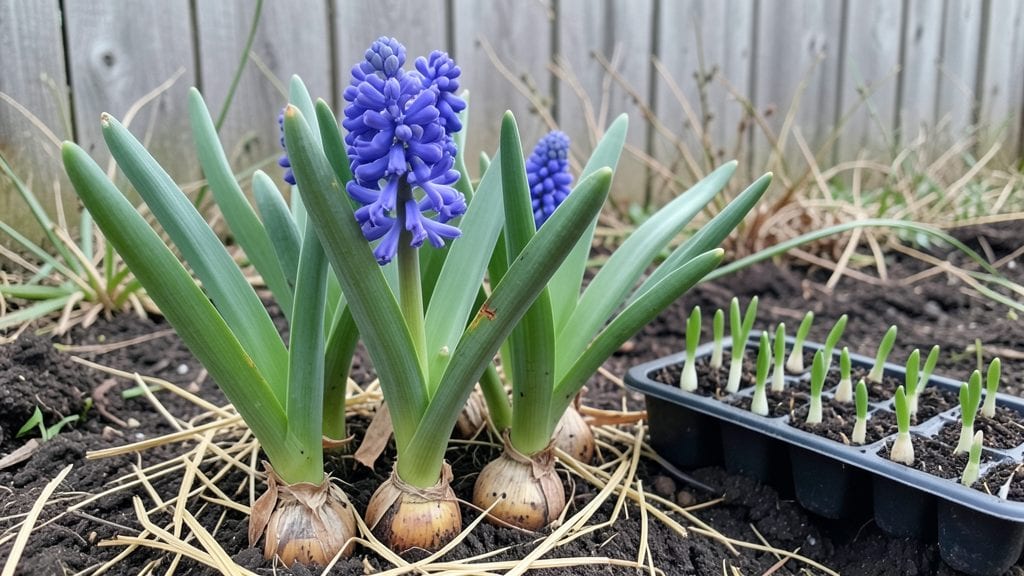
Hyacinth flower seeds need patience and the right conditions to break dormancy and bloom—here’s how to coax them into vibrant, bushy growth in just 3 weeks. I’ve struggled with slow germination before, but these tricks cut the waiting time by half while ensuring stronger plants.
The secret lies in mimicking their natural habitat: cool soil, consistent moisture, and just enough light to trigger sprouting without drying out.
Start with fresh seeds (older ones germinate poorly) and plant them ½ inch deep in well-draining soil mixed with perlite. A small pot or seed tray works best—hyacinths hate root disturbance.
Keep the soil damp (not soggy) and place the container in a spot with bright, indirect light, like a north-facing windowsill. A heating mat set to 65–70°F speeds up germination, but avoid heat mats if your seeds are still dormant.
Within 2–3 weeks, you’ll see tiny green shoots pushing through the soil—thin them to 2 inches apart to prevent crowding. Once the first true leaves appear, move the seedlings to a sunny spot (6+ hours of light daily) and keep watering lightly.
The real payoff comes when they bloom: clusters of fragrant flowers that’ll make your garden smell like spring, even in winter.
Here’s where most gardeners trip up: rushing the process. Hyacinths need cold stratification (a 4–6 week chill period) before planting outdoors, or they’ll bolt too early. For container-grown plants, bring them inside before frost and enjoy their scent all winter long. Let’s get those seeds sprouting!
📚 In This Guide
- What you need
- Instructions
- Tips and common mistakes
- Wrapping up and next steps
What you need
- ● Hyacinth flower seeds: Choose high-quality, fresh seeds (preferably from a reputable supplier). Aim for 5–10 seeds per pot or 100+ seeds for bulk planting.
- ● Seed-starting mix: Use a lightweight, well-draining potting soil (avoid garden soil—it’s too dense!). A 10–15 lb bag should suffice for small batches.
- ● Containers: Seed trays or small pots (3–4 inches deep) for individual seedlings (6–12 units depending on your scale).
- ○ Clear plastic domes or plastic wrap to create a humid microclimate (optional but helpful for germination).
- ● Spray bottle (with water) for gentle moisture control—avoid overwatering!
- ○ Fine-mist sprayer (optional but ideal for even hydration during germination).
- ● Grow lights or sunny windowsill: Hyacinths need 6–8 hours of light daily. A 12–15W LED grow light works well for indoor setups.
- ○ Heat mat (optional): Speeds up germination if your space is below 65°F (18°C). A small, low-wattage mat (like a 50W option) is perfect.
- ● Tweezers or toothpick: Helps with careful seed placement without damaging them.
- ● Fertilizer (balanced, water-soluble): A 5–10–5 or 10–10–10 NPK ratio mix (diluted to half-strength) for post-germination growth.
- ● Temperature: Keep seeds in a warm (65–75°F / 18–24°C) environment during germination. Cooler temps (<60°F / 15°C) slow growth.
- ● Humidity: Maintain 50–70% humidity (use a humidifier or misting if needed).
- ● Patience & consistency: Germination takes 2–4 weeks—stay diligent with moisture and light!
Step-by-step instructions for germinating hyacinth flower seeds
Here’s how to coax those stubborn hyacinth seeds into vigorous, bushy plants ready for blooms in just three weeks.
Stratify Seeds for Maximum Germination
Hyacinth seeds require a cold period to break dormancy—this mimics their natural winter cycle. Place the seeds in a sealed plastic bag with a damp paper towel, then refrigerate them for 8-12 weeks at 35-40°F. Check weekly to ensure the towel stays moist but not soggy; condensation on the bag walls signals excess moisture.
This stratification trick is non-negotiable. Without it, germination rates plummet to near zero. After the cold treatment, remove the seeds and let them sit at room temperature for 24 hours before sowing. You’ll see tiny roots emerging from the seed coat—this is your cue that the seeds are ready.
Sow Seeds in Sterile, Well-Draining Medium
Fill 4-inch pots with a sterile seed-starting mix (never garden soil—it’s too dense and may harbor fungi). Press the mix lightly into the container to eliminate air pockets, then create ¼-inch-deep furrows using a small tool or your finger. Space seeds 1 inch apart in the furrows, placing them with the pointed end down.
Cover the seeds with a thin layer of the same mix, just enough to obscure them. Mist the surface lightly with water until the top ½ inch feels damp—not wet, but uniformly moist. Overwatering now will suffocate the seeds before they’ve even sprouted. Place the pots in a warm, dark location (like a seedling heat mat set to 70°F) to encourage germination.
Monitor Moisture and Light for Sprouting
Germination typically begins in 7-14 days, but some seeds may take up to 21 days—patience is key. Keep the soil consistently moist by watering from the bottom (place pots in a tray of ½ inch of water for 10 minutes daily). This prevents fungal issues while ensuring roots stay hydrated.
Once 50% of seeds have sprouted, move the pots to bright, indirect light (a south-facing window or grow light on a 12-hour photoperiod). Avoid direct sunlight at this stage—young hyacinth seedlings are prone to scorching. You’ll know they’re thriving when the first true leaves (not the initial seed leaves) appear, usually within 10-14 days after germination.
Thin Seedlings and Transition to Stronger Light
When seedlings reach 2 inches tall, thin them to 1 plant per pot by snipping the weakest stems at the base with clean scissors. This reduces competition for nutrients and encourages bushier growth. Repot the remaining seedlings into 6-inch containers filled with a well-draining potting mix (amend with perlite if your mix is heavy).
Gradually introduce direct sunlight over 7-10 days to harden the plants. Start with 2 hours of morning sun, then increase by 1 hour daily. By the time they’re 4-6 weeks old, they should tolerate full sun for 6+ hours daily. Watch for deep green leaves and sturdy stems—these are signs your hyacinths are ready for their final growing phase.
Fertilize and Prepare for Blooming
Once seedlings have 4-5 true leaves, apply a balanced, water-soluble fertilizer (10-10-10) at half-strength to avoid burning tender roots. Feed every 2 weeks during the growing season, and reduce to monthly in winter. Hyacinths are heavy feeders, so consistent nutrients are critical for those iconic clusters of blooms.
By week 12, you’ll notice flower buds forming at the base of the stems. This is your reward for the stratification and careful nurturing. Keep the soil evenly moist (but not waterlogged) and ensure full sun exposure—these are the final ingredients for vibrant, bushy hyacinths ready to brighten your garden or indoor spaces.
Tips & tricks for germinating hyacinth seeds successfully
Hyacinth seeds are notoriously finicky, but these targeted strategies will help you achieve the bushy, blooming plants you're after—without the usual trial and error.
Stratification Precision: The 8-12 week cold treatment at 35-40°F is your most critical step, but consistency matters just as much as duration. I place my seed bags on the middle shelf of my refrigerator where temperatures hover around 38°F—this eliminates the risk of hot or cold spots. After removing from cold, that 24-hour room temperature acclimation period is essential for preventing shock when you finally sow. I've learned the hard way that skipping this step results in seeds that either refuse to sprout or emerge with stunted roots.
Medium Preparation: While sterile seed-starting mix is ideal, you can create your own by mixing equal parts coco coir and perlite—just be sure to sterilize it first by baking at 200°F for 30 minutes. The key is eliminating any fungal spores that could attack your delicate seedlings. When creating those ¼-inch furrows, I use a popsicle stick instead of my finger to maintain consistent depth. The ½-inch dampness test should feel like a wrung-out sponge—if water pools on the surface, you've gone too far.
Light Transition Strategy: The gradual light introduction starting with 2 hours of morning sun is where many growers fail. I begin with just 1 hour on the first day, then add 30 minutes each subsequent day until reaching full sun. This hardening process prevents the seedlings from getting sunburned, which manifests as white or yellow patches on the leaves. Watch for the first true leaves to develop—these will be dark green and more rounded than the initial seed leaves, signaling your plants are ready for more intense light.
Fertilizer Timing: The half-strength 10-10-10 application when seedlings have 4-5 true leaves is crucial, but timing matters just as much as concentration. I always fertilize in the morning when plants are actively photosynthesizing. The 2-week interval during growing season ensures steady nutrient availability without overwhelming the young roots. In winter, reducing to monthly applications prevents over-fertilization, which can lead to salt buildup in the soil.
Pro Tips for Hyacinth Flower Seeds
- Hyacinth seeds are notoriously finicky, but these targeted strategies will help you achieve the bushy, blooming plants you're after—without the usual trial and error.
- Stratification Precision: The 8-12 week cold treatment at 35-40°F is your most critical step, but consistency matters just as much as duration.
- Medium Preparation: While sterile seed-starting mix is ideal, you can create your own by mixing equal parts coco coir and perlite—just be sure to sterilize it first by baking at 200°F for 30 minutes.
Frequently asked questions
Got questions about growing hyacinth flower seeds? You’re not alone! Here are answers to the most common queries to help you cultivate lush, fragrant blooms with ease.
How long does it take for hyacinth seeds to germinate?
With patience and the right conditions, hyacinth seeds typically germinate in 3–6 weeks. For faster results (like in our 3-week trick), pre-soak seeds for 24 hours and keep soil consistently moist at 65–75°F (18–24°C). Cold stratification (chilling seeds for 4–6 weeks) can also speed up germination.
Do hyacinth seeds need a cold period to germinate?
Yes! Hyacinths are perennial bulbs, so they benefit from cold stratification—a natural dormancy trick. If sowing outdoors, plant seeds in fall (they’ll overwinter). For indoor starts, mimic winter by refrigerating seeds in moist peat for 4–6 weeks before planting. Skip this step, and germination may take much longer.
Can I grow hyacinths from seeds instead of bulbs?
While hyacinths are often sold as bulbs, growing from seeds is rewarding (and cheaper!). Just know it’ll take 2–3 years for seed-grown plants to bloom—bulbs flower in just one season. For impatient gardeners, start with bulbs, then save seeds from future blooms for future batches!
Why aren’t my hyacinth seeds sprouting?
Common culprits include:
- Dry soil: Keep seeds consistently damp (not soggy) with a spray bottle.
- Poor drainage: Use a mix of peat moss + perlite to prevent rot.
- Wrong temperature: Seeds need warmth (70°F+) to sprout; cool temps delay germination.
- Old seeds: Hyacinth seeds lose viability after 1–2 years—buy fresh or store seeds in a cool, dark place.
How do I get my hyacinth seedlings to grow bushier?
For fuller, bushier blooms, pinch back leggy seedlings when they’re 4–6 inches tall to encourage branching. Use balanced fertilizer (10-10-10) every 4 weeks once seedlings have 2–3 true leaves. Place pots in bright, indirect light (south-facing windows or grow lights) to prevent stretching.
Wrapping up and next steps
Growing hyacinth flower seeds into lush, fragrant blooms in just three weeks is totally doable with the right tricks! By mastering soil prep, temperature control, and gentle care, you’ll unlock vibrant clusters that’ll steal the show.
Whether you’re a green thumb or a curious beginner, these tips turn patience into stunning results.
Ready to dive in? Start with your seeds today—and don’t forget to share your progress! Snap photos of those early sprouts and tag us; we love celebrating your floral victories. 🌱✨