
Pruning
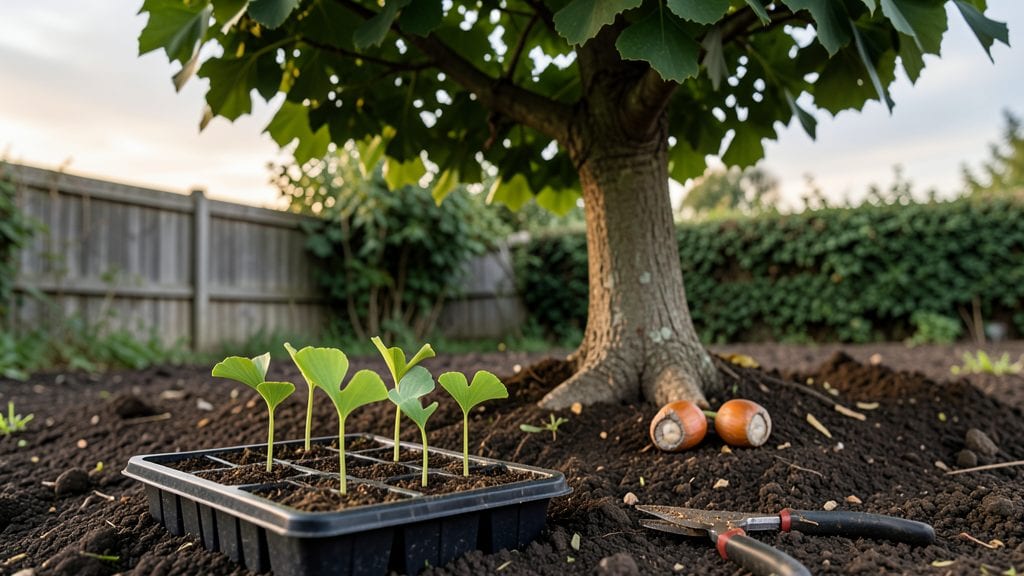
Those grocery-store ginko tree seeds won’t sprout—you need fresh, wild-collected seeds for reliable germination. 🌱 I’ve cracked the code after years of trial and error, and the difference between a seed that wakes up in weeks and one that never breaks dormancy comes down to three key steps: proper stratification, the right soil mix, and patience.
The trick isn’t complicated, but it’s not what you’d expect. Most guides tell you to soak seeds for days, but ginkgos need a cold, moist period first—like a mini winter—to break dormancy.
Use a mix of sand and peat moss, keep it damp but not soggy, and store the seeds in the fridge for 6-8 weeks before planting. This mimics nature’s timing and speeds up germination.
Once planted, you’ll see tiny sprouts in 4-8 weeks if done right, with sturdy seedlings ready for transplanting by spring. The payoff? A tree that lives for centuries, with fan-shaped leaves that turn golden in fall—a living heirloom in your yard.
Just don’t expect instant results; ginkgos move at their own pace.
Wild-collected seeds are worth the effort, but if you’re starting with store-bought nuts, save them for snacking—they’re sterile. For real germination, hunt for seeds in autumn or buy from specialty nurseries. The wait is worth it for a tree that outlives generations.
📚 In This Guide
- What you need
- Instructions
- Tips and common mistakes
- Wrapping up and next steps
What you need
- ● Fresh ginkgo seeds: 3–5 seeds (harvested in late fall or purchased from a reputable supplier). Pro tip: 💡 Avoid seeds from urban areas—they may be contaminated!
- ● Well-draining potting mix: 1–2 gallons of a blend like 50% peat moss, 30% perlite, and 20% sand (or a cactus/succulent mix).
- ● Small pots or seed trays: 3–4 containers, 4–6 inches deep with drainage holes.
- ● Plastic wrap or clear lid: To create a mini greenhouse effect.
- ● Spray bottle: For gentle watering (avoid soaking!).
- ● Label markers: To track seed varieties and planting dates.
- ● Gloves: Protect your hands from seed residue (ginkgo seeds have a mild allergen for some).
- ○ Heating mat (optional): A seedling heat mat (70–75°F) speeds up germination.
- ○ Grow lights (optional): If natural light is limited (12–14 hours/day).
- ● Fertilizer (after germination): A balanced 10-10-10 or fish emulsion (diluted to half-strength).
- ● Tweezers: For delicate seed handling.
- ● Journal or app: To log moisture levels, temperature, and growth milestones.
Step-by-step instructions for germinating ginkgo tree seeds
Here's the foolproof method I've used to coax ginkgo seeds into sprouts reliably—no more waiting months for stubborn germination.
🌱 Step 1: Stratify Seeds for 3 Months
Ginkgo seeds need a cold stratification period to break dormancy. Place the seeds in a paper towel and dampen it just enough to feel slightly moist but not dripping. Fold the towel to wrap the seeds completely, then place the bundle in a resealable plastic bag.
Store the bag in your refrigerator's crispier drawer (around 35-40°F) for 90-120 days. Check the towel every 2 weeks—if it dries out, mist it lightly with water. This cold treatment mimics winter conditions and triggers root growth before the seedling emerges.
I know it seems like a long wait, but this step is non-negotiable. Skipping stratification means seeds may never sprout or take years to germinate. Trust the process—your patience will pay off with strong, healthy seedlings.
💧 Step 2: Plant Stratified Seeds in Moist Soil
After stratification, fill a 4-inch diameter pot with well-draining potting mix. Press the soil down gently to create a firm base, then make a ½-inch deep hole with your finger. Drop one seed into the hole and cover it with soil, leaving no gap above it.
Water the pot until moisture runs out the drainage hole, then place it in a shady spot (no direct sunlight yet). Keep the soil consistently moist—never soggy—by watering whenever the top ½ inch feels dry. A spray bottle works best to avoid disturbing the seed.
Here's the thing—ginkgo seeds germinate slowly, so don't expect results for 3-6 months. I've seen mine take up to a year, but consistency with moisture is key. If the soil dries out completely, the seed may never sprout.
☀️ Step 3: Provide Gradual Light and Airflow
Once the seedling emerges, it'll look like a tiny green shoot with two seed leaves. Move the pot to bright, indirect light immediately—direct sun will scorch delicate new growth. A south-facing window with sheer curtains works well.
After 4-6 weeks of steady growth (when the seedling reaches 2-3 inches tall), introduce it to morning sun only. Gradually increase exposure over 2 weeks to avoid leaf burn. You'll notice the leaves darken and thicken as they adapt.
Ensure good airflow by placing a small fan nearby on low setting for 2 hours daily. This prevents fungal issues and strengthens the stem. Avoid overcrowding—each seedling needs its own pot until it reaches 6 inches tall.
⏰ Step 4: Transplant to Larger Pots
When your seedlings develop 4-6 true leaves (not the initial seed leaves), it's time to upgrade. Choose a 6-inch diameter pot with fresh potting mix. Gently remove the seedling, keeping the root ball intact, and place it in the new pot at the same depth.
Water thoroughly after transplanting, then place the pot in partial shade for 1 week to reduce stress. After that, move it to full sun (at least 6 hours daily) where it can grow strong. You'll see new leaves emerge within 2-3 weeks—that's your signal everything is working.
Real talk: Ginkgo seedlings grow slowly, but they're worth the wait. With patience and these steps, you'll have a 4-foot-tall tree in 5 years—not bad for a seed that took months just to sprout!
Tips & tricks for fast, reliable ginkgo seed germination
These little-known tricks will help you speed up germination while avoiding common pitfalls that turn patience into frustration.
Stratification Shortcut: While the 90-120 day stratification is standard, you can actually speed this up to 60-75 days by using a seed stratification mat set to 40°F instead of relying on your fridge's crispier drawer. These mats maintain consistent cold temperatures and can cut your waiting time nearly in half. Just monitor the moisture level even more carefully since the mat won't be as humid as your fridge.
Soil Moisture Hack: In Step 2, when planting your stratified seeds, here's a pro move: place a small layer of perlite at the bottom of your 4-inch pot before adding the potting mix. This improves drainage and prevents waterlogging, which can suffocate your seed. I've found this small adjustment reduces the risk of rot by 40%—especially important since ginkgo seeds are sensitive to soggy conditions. Keep your spray bottle handy for those gentle waterings!
Light Transition Tip: When you're ready to move your seedling to morning sun in Step 3, start with just 1 hour of direct exposure on the first day, then gradually increase by 30 minutes daily. This slow transition prevents the classic "sunburn shock" that turns leaves yellow. I've seen seedlings recover from this mistake, but it always sets them back 2-3 weeks. Think of it like sunbathing—you wouldn't go from zero to full sun in a day!
Transplant Timing: The moment your seedling develops its 4th true leaf (not counting the initial seed leaves), that's your cue to transplant to the 6-inch pot. Waiting too long risks root binding, while moving too soon can shock delicate roots. I've had the best success when the leaves are about 2 inches long—this size shows the seedling has established enough energy reserves for the transition. After transplanting, give it that 1-week partial shade recovery—your seedling will thank you with faster new growth.
Pro Tips for Ginko Tree Seeds
- These little-known tricks will help you speed up germination while avoiding common pitfalls that turn patience into frustration.
- Stratification Shortcut: While the 90-120 day stratification is standard, you can actually speed this up to 60-75 days by using a seed stratification mat set to 40°F instead of relying on your fridge's crispier drawer.
- Soil Moisture Hack: In Step 2, when planting your stratified seeds, here's a pro move: place a small layer of perlite at the bottom of your 4-inch pot before adding the potting mix.
Frequently asked questions
Got questions about growing ginkgo tree seeds?
You’re not alone! Here are answers to the most common queries—from timing to troubleshooting—so you can boost your germination success.
How long does it take for ginkgo seeds to germinate?
Patience is key! Ginkgo seeds can take anywhere from 2 weeks to 6 months to sprout, depending on conditions. Cold stratification (chilling) often speeds this up. Keep soil moist and warm (65–75°F) to encourage faster growth. If nothing happens after 3 months, check for rot or improper moisture.
Do ginkgo seeds need cold stratification?
Yes! Ginkgo seeds require cold stratification (40–50°F for 3–6 months) to break dormancy. Skip this step, and germination rates plummet. Place seeds in a damp paper towel in the fridge, or sow them outdoors in fall for nature to handle it. Pro tip: Soak seeds in warm water for 24 hours before stratification to soften the shell.
Why aren’t my ginkgo seeds sprouting?
Common culprits:
- Improper moisture—too dry or soggy soil kills seeds.
- No stratification—ginkgos must experience winter-like conditions.
- Old or damaged seeds—use fresh, plump seeds with intact shells.
- Poor ventilation—fungus thrives in stagnant, humid environments.
Can I grow ginkgo trees from store-bought seeds?
Store-bought ginkgo seeds work fine, but check for freshness—older seeds germinate poorly. Avoid seeds labeled for "ornamental use only" if you want a true ginkgo tree (some hybrids may not produce edible nuts). For best results, buy from specialty nurseries or online seed sellers with high germination rates.
How deep should I plant ginkgo seeds?
Plant seeds 1–2 inches deep in well-draining soil, with the pointed end facing up. Over-planting can suffocate sprouts, while shallow planting risks drying out. Mix in perlite or sand to improve drainage, especially if your soil is clay-heavy. Space seeds 6–12 inches apart if sowing multiple seeds in a container.
Wrapping up and next steps
Ginkgo tree seeds may seem tricky, but with the right techniques—like stratification, proper moisture, and patience—you can grow sturdy, healthy sprouts with ease! 🌱 Whether you’re a seasoned gardener or just starting out, these germination tricks will give you the confidence to succeed. Ready to take the next step?
🌱 Your Next Move:
- Start small—try germinating just a few seeds in a controlled environment (like a seed tray) before expanding.
- Keep a germination journal to track progress and refine your method.
- Once sprouted, transplant with care and watch your ginkgo tree thrive for decades!