
Lawn
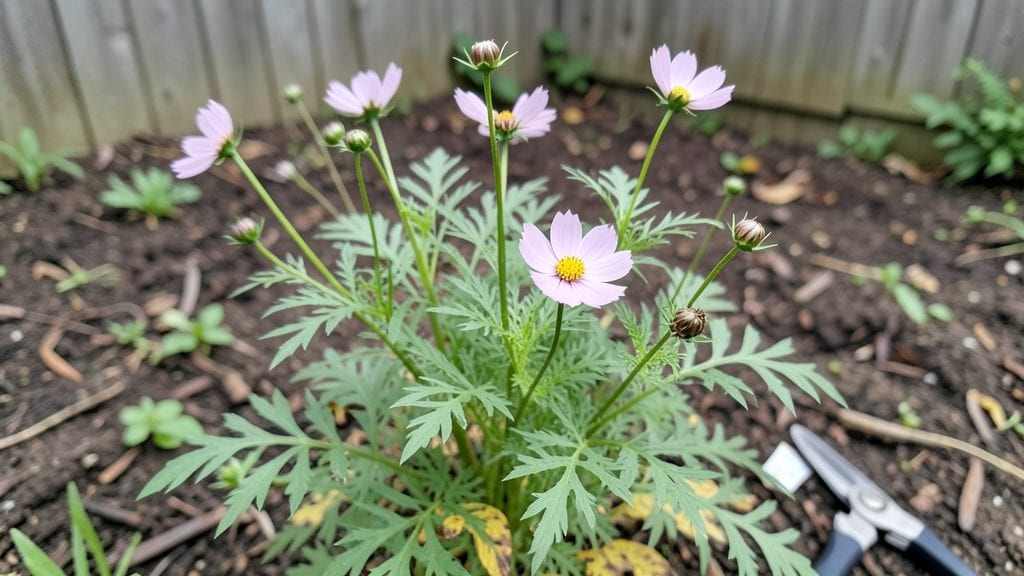
A simple cosmos seed collection from your garden ensures next year’s blooms will be fresher, hardier, and ready to burst into color—no store-bought plants required. ✨ I’ve been saving seeds for years, and the difference in freshness and vigor is shocking compared to anything I’ve bought.
The key is timing: wait until the seed heads turn brown and papery, then harvest before they scatter.
You’ll need just a few simple tools: sharp scissors or pruners, a paper bag for drying, and a cool, dry spot to store them. The process takes about 10 minutes of hands-on time, plus a few weeks for drying.
Hybrid cosmos won’t come true from seed, but heirloom varieties reproduce beautifully, giving you the same vibrant blooms year after year.
Once dried, these seeds stay viable for 2-3 years if stored properly in an airtight container. Imagine walking out to your garden next spring and planting seeds that grow into those same cheerful, airy blooms—no guesswork, no waiting for transplants.
The first flush of color appears in just 6-8 weeks from seed.
Perfect for gardeners who love low-maintenance plants that keep coming back. Whether you’re filling gaps in your flowerbeds or sharing seeds with friends, this method saves money and ensures your cosmos always look their best. Let’s get those seeds ready for next season!
📚 In This Guide
- What you need
- Instructions
- Tips and common mistakes
- Wrapping up and next steps
What you need
- ● Cosmos seeds: Choose fast-germinating varieties like Cosmos bipinnatus or Cosmos sulphureus. Aim for 1–2 grams per 100 sq. ft. (about 100–200 seeds). Organic, non-GMO seeds are ideal!
- ● Growing containers: Seed trays or pots: 2–3 inch deep, with drainage holes (10+ units for bulk planting).
- ● Garden beds or raised planters: Well-draining soil, 6+ inches deep, and at least 12 inches apart for mature plants.
- ● Potting mix: Lightweight, seed-starting blend with 50–70% perlite or vermiculite for aeration.
- ● Watering can or spray bottle: Fine mist nozzle for gentle hydration.
- ● Garden gloves: A pair to protect your hands from soil and prickly stems.
- ● Plant labels: Waterproof markers or stakes to track varieties.
- ● Grow lights: LED or fluorescent (12–16 hrs/day) for indoor starts.
- ● Seedling heat mat: Set to 70–75°F to speed up germination.
- ● Organic fertilizer: Low-nitrogen (5-10-10 ratio) for transplanting.
- ● Mulch: Straw or shredded leaves to retain moisture and suppress weeds.
- ● Trellis or stakes: For tall varieties (e.g., Cosmos bipinnatus) to prevent flopping.
Step-by-Step guide to collecting cosmos seeds for fast germination
Here’s how to harvest and store cosmos seeds so they sprout quickly next season—no waiting months for fresh seeds.
🌿 Step 1: Identify and Select Mature Seed Pods
Wait until cosmos blooms fade and turn into dry, papery seed heads—these look like tiny, brown, feather-duster-like pods. Gently pinch off the mature pods when they’re fully brown and brittle but haven’t yet released seeds into the wind. I like to do this on a dry, sunny morning when the pods are crisp.
Check pods daily for a week after blooms wilt—they ripen fast. If you miss the window, seeds scatter, and you’ll have to start fresh. Collect pods from the healthiest, most vibrant plants to ensure strong germination next year.
🪴 Step 2: Dry and Extract Seeds Properly
Spread the collected pods on a clean, dry surface like a baking sheet or newspaper. Let them dry in a warm, well-ventilated spot for 3-5 days—this prevents mold and ensures seeds stay viable. Stir them gently once a day to speed up drying.
Once completely dry, rub the pods between your fingers or tap them lightly over a bowl to release the tiny, fluffy seeds. Cosmos seeds are lightweight, so a gentle breeze or even a soft breath will help separate them from chaff. Sift through the debris with a fine mesh strainer if needed.
⏰ Step 3: Store Seeds for Long-Term Viability
Place the extracted seeds in a small, airtight container like a glass jar or envelope. Label it with the cosmos variety and the harvest date—seeds stay viable for 2-3 years if stored properly. Keep the container in a cool, dark place, like a pantry or fridge.
For extra protection, add a silica gel packet to absorb moisture. Check the container every few months to ensure no condensation has formed—humidity is the enemy of seed longevity. You’ll know storage is working if seeds look dry and papery when you open the container next spring.
🌱 Step 4: Test Germination Before Planting
About 4-6 weeks before your last frost date, plant a few seeds in a small pot with moist potting mix to test germination speed. Press them ¼ inch deep and keep the soil consistently damp but not soggy. Cosmos seeds germinate quickly—expect sprouts in 7-14 days if stored correctly.
If germination is slow or patchy, your seeds may need more time to dry or a warmer environment. A seedling heat mat set to 70-75°F can help jumpstart stubborn seeds. Once you see strong, uniform sprouts, you’re ready to transplant outdoors after the last frost.
Tips & tricks for perfect cosmos seed collection
Fast germination starts with the right approach—here’s how to maximize your cosmos seed harvest without the guesswork.
Timing is Everything: The 3-5 day drying period in Step 2 is non-negotiable for preventing mold. I learned this the hard way after storing damp seeds that sprouted too early—always check for complete dryness by crushing a pod between your fingers. If it feels crisp and crumbly, you're ready to extract. For extra speed, place pods on a baking sheet in a warm spot like near a sunny window.
Harvesting Strategy: Don't wait until pods are completely dry on the plant—this is when they scatter seeds! In Step 1, I recommend harvesting when pods are just turning brown and brittle. Cut stems at the base rather than pinching pods to avoid damaging the plant. Collect pods in a paper bag to prevent moisture buildup during transport to your drying surface.
Storage Wisdom: For the 2-3 year viability mentioned in Step 3, I add an extra layer of protection by placing my sealed containers in a zip-top bag with a small packet of uncooked rice. The rice absorbs any residual moisture that might escape the container. Store containers in the crisper drawer of your fridge for maximum coolness and darkness—this mimics ideal seed bank conditions.
Germination Test Hack: When testing germination in Step 4, use a clear plastic container instead of a pot to easily monitor moisture levels. The clear sides let you check soil dampness without disturbing the seeds. For faster results, place your test container on a seedling heat mat set to 75°F—this mimics ideal germination conditions and can cut your 7-14 day wait to just 5-7 days.
Pro Tips for Cosmos Seed Collection
- Fast germination starts with the right approach—here’s how to maximize your cosmos seed harvest without the guesswork.
- Timing is Everything: The 3-5 day drying period in Step 2 is non-negotiable for preventing mold.
- Harvesting Strategy: Don't wait until pods are completely dry on the plant—this is when they scatter seeds!
Frequently asked questions
Got questions about collecting and growing Cosmos seeds? Here are some answers to help you get started on your vibrant garden journey!
When is the best time to collect cosmos seeds?
Collect seeds when the Cosmos flowers have dried out and turned brown—usually late summer to early fall. Wait until the seed pods split open naturally, revealing fluffy seed tufts. Harvest them on a dry day to avoid moisture issues.
How do I store cosmos seeds for planting next year?
Store seeds in a cool, dry place (like a paper envelope or airtight container) away from direct sunlight. They stay viable for 2–3 years. Label them with the collection date to track freshness!
Can I grow cosmos from store-bought seeds, or do I need to collect my own?
Store-bought seeds work just as well as homemade ones. If you prefer collecting, just ensure they’re fully mature and dry. For convenience, hybrid varieties may require buying seeds since collected seeds might not replicate parent traits.
Why aren’t my cosmos seeds germinating? Troubleshooting tips?
Check these common issues:
- Moisture: Keep soil consistently damp (not soggy) during germination.
- Temperature: Cosmos thrive in 60–75°F soil—use a heat mat if needed.
- Depth: Plant seeds ¼ inch deep; they need light to sprout.
- Freshness: Old seeds may struggle—test viability by soaking in water for 24 hours.
How long does it take for cosmos seeds to sprout?
Germination usually takes 7–14 days, depending on conditions. For faster results, pre-soak seeds overnight or use a seedling heat mat. Patience pays off—thin seedlings to 12–18 inches apart for full blooms!
Wrapping up and next steps
Embracing cosmos seeds in your garden is a rewarding way to bring vibrant, low-maintenance beauty to your outdoor space. These fast-growing blooms not only thrive in diverse climates but also attract pollinators, making your yard a lively hub of life.
Whether you're a seasoned gardener or just starting out, cosmos flowers offer a simple yet stunning solution for year-round color—so why wait?
Ready to dive in? Start small—plant a few seeds in a sunny spot and watch your garden transform! For even more inspiration, explore cosmos seed varieties or share your progress with fellow gardeners. Happy planting! 🌸✨