
Watering
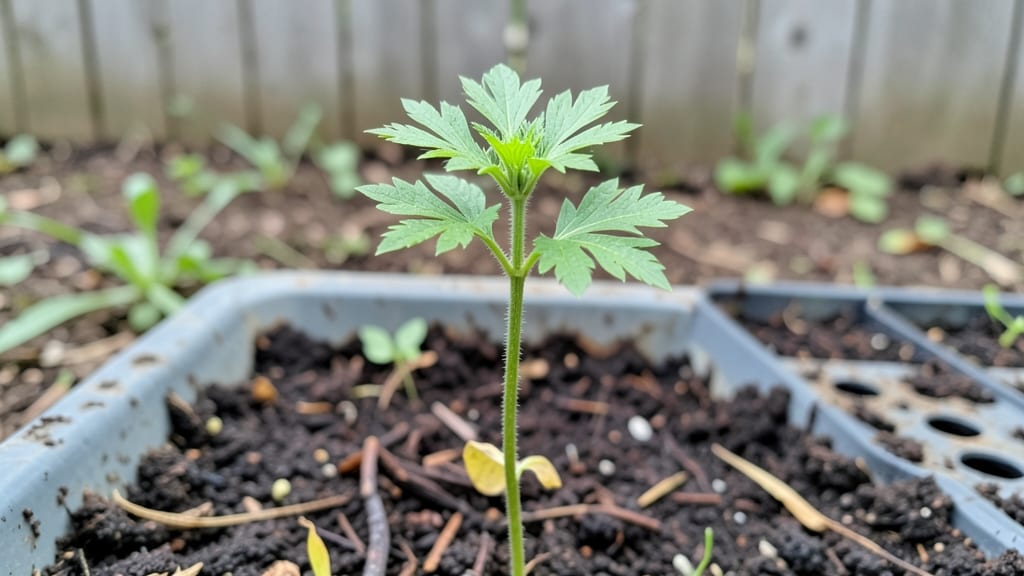
A thriving cosmos bipinnatus seedling transforms into a sun-drenched giant with just the right watering—too much drowns it, too little stunts it, but that perfect balance unlocks feathery blooms buzzing with pollinators by summer. 🌿 I’ve learned the hard way... can’t get enough of.
The key isn’t just how much you water, but when and how you do it to build strong stems before transplanting.
Start with a well-draining soil mix—equal parts potting soil and perlite or coarse sand—to keep roots happy without soggy bottoms. Place seedlings where they’ll get 6-8 hours of sunlight daily, and keep the soil lightly moist, not soggy.
A 1-inch deep watering every 2-3 days (or daily in heatwaves) mimics their natural drought tolerance while encouraging bushy growth. Too much water, and you’ll end up with leggy, weak plants that flop over.
By the time they’re ready to transplant, your cosmos seedlings will be 2-3 inches tall with sturdy stems that can handle outdoor conditions. The payoff? A garden alive with butterflies, bees, and those signature pink, white, or magenta blooms that last from midsummer until frost.
The right watering routine turns seedlings into the star of your late-season garden.
Works for containers, garden beds, or even hanging baskets—just adjust watering based on your climate. Here’s how to keep them thriving until those first blooms appear.
📚 In This Guide
- What you need
- Instructions
- Tips and common mistakes
- Wrapping up and next steps
What you need
- ● Seeds: 10–20 Cosmos bipinnatus seeds (non-GMO, organic preferred for best results).
- ● Seedling trays or pots: 2–4 inch biodegradable pots or a seedling tray with drainage holes (6–12 cells).
- ● Potting mix: 1–2 gallons of lightweight, well-draining seed starting mix (avoid garden soil—it’s too dense!).
- ● Watering can or spray bottle: With a fine mist nozzle for gentle hydration.
- ● Grow lights or sunny windowsill: Full-spectrum LED grow lights (12–16 hours/day) or a south-facing window with 6+ hours of sunlight.
- ○ Humidity dome or plastic wrap: To retain moisture during germination (optional but helpful).
- ● Small hand trowel: For planting seeds at the correct depth (¼ inch).
- ● Labeling tags: To track seedling varieties (especially if growing multiple types).
- ○ Fertilizer (optional): A balanced, water-soluble fertilizer (5-5-5 or 10-10-10) for post-germination growth.
- ○ Heat mat (optional): For faster germination if your space is cool (70–75°F ideal).
- ● Transplanting tools: Small shovel or spoon for moving seedlings to larger pots when ready.
Precision watering techniques for cosmos bipinnatus seedlings
Here’s how to coax those delicate cosmos seedlings into sturdy, blooming plants—watering is the game-changer.
💧 Step 1: Master the Seedling Watering Routine
Cosmos seedlings need consistent moisture but despise soggy soil. Water gently with a spray bottle or fine-rose nozzle until the top ½ inch of soil feels damp—not wet. Overwatering at this stage causes damping-off, where stems rot and seedlings collapse overnight. I aim for light, frequent watering rather than deep soaks.
Check moisture daily by sticking your finger in the soil. If it’s dry at your first knuckle, it’s time to water. Seedlings in 65-75°F conditions will drink more, so adjust frequency if your space feels warmer. Avoid wetting the leaves—this invites fungal diseases like powdery mildew, which can stunt growth.
🌱 Step 2: Transition to Bottom Watering for Stronger Roots
Once seedlings develop their first true leaves (the second set after the initial cotyledons), switch to bottom watering. Place the tray in a shallow dish of water for 10-15 minutes, letting the soil absorb moisture from below. This encourages roots to grow deeper and stronger, reducing the risk of top-heavy, weak stems.
I use a clear plastic tray so I can see when the soil is evenly moist. Cosmos seedlings left in standing water for too long will develop root rot, so empty excess water after 15 minutes. This method also keeps leaves dry, cutting down on disease pressure. Watch for wilting leaves—a sign you’ve waited too long between waterings.
☀️ Step 3: Adjust Watering as Seedlings Mature
When seedlings reach 3-4 inches tall and develop 5-6 true leaves, reduce watering frequency but increase volume. Water deeply—about ½ inch per week—to encourage roots to explore downward. Cosmos plants are drought-tolerant once established, but seedlings need steady moisture to avoid stress.
I water in the early morning to allow foliage to dry before evening. This prevents fungal issues and ensures seedlings aren’t sitting in cold, wet soil overnight. If your seedlings start drooping midday, they need water immediately—cosmos wilts quickly when thirsty. A quick check of the soil will confirm if it’s dry enough.
✂️ Step 4: Harden Off with Controlled Watering
Two weeks before transplanting, gradually reduce watering to prepare seedlings for outdoor conditions. Cosmos seedlings need to toughen up—this means letting the soil dry out slightly between waterings. Harden off by placing them outside in partial shade for 2-3 hours daily, watering only when the soil feels bone-dry to the touch.
This step mimics natural rainfall patterns and prevents shock when moved to the garden. If seedlings show signs of stress—yellowing leaves or wilting—give them a light drink but don’t overcompensate. By the time they’re ready to plant, they’ll be resilient and ready for the transition.
Tips & tricks for perfect cosmos bipinnatus seedling care
A few subtle adjustments can transform fragile seedlings into robust bloomers—here's what I've learned after nurturing dozens of cosmos batches.
The Temperature Factor: Cosmos seedlings thrive in the 65-75°F range, but this doesn't mean you can ignore temperature fluctuations. If your growing space dips below 60°F, reduce watering frequency by half—cooler temps slow moisture evaporation. I've seen seedlings in chilly basements develop damping-off overnight when watered on schedule. Use a small heat mat under trays if needed, especially for early spring starts.
Visual Moisture Cues: In Step 1, when checking soil moisture, look for subtle clues beyond just your finger test. Healthy soil should crumble easily when gently squeezed—if it forms a tight ball, it's too wet. For the top ½ inch test, use a clean wooden skewer instead of your finger to avoid introducing pathogens. I keep a tray of dry soil nearby to compare textures when in doubt.
Bottom Watering Technique: The 10-15 minute bottom watering in Step 2 works best when you use a tray with drainage holes. Place a shallow dish of water (about ¼ inch deep) and let the tray sit until the top ½ inch feels evenly moist. Empty excess after 15 minutes—standing water creates anaerobic conditions that suffocate roots. I mark my trays with a permanent marker to track watering times and prevent over-soaking.
Harden Off Gradually: During the 2-3 hour hardening off period in Step 4, increase exposure time by 30 minutes each day rather than jumping straight to full sun. Cosmos seedlings develop protective pigments (anthocyanins) when exposed to sunlight, which helps them withstand transplant shock. I start with morning shade and gradually move to afternoon sun, watching for any leaf scorch as a warning sign.
Pro Tips for Cosmos Bipinnatus Seedling
- A few subtle adjustments can transform fragile seedlings into robust bloomers—here's what I've learned after nurturing dozens of cosmos batches.
- The Temperature Factor: Cosmos seedlings thrive in the 65-75°F range, but this doesn't mean you can ignore temperature fluctuations.
- Visual Moisture Cues: In Step 1, when checking soil moisture, look for subtle clues beyond just your finger test.
Frequently asked questions
Got questions about nurturing your Cosmos bipinnatus seedlings? You’re not alone! Here are some common concerns—and their answers—to help you grow thriving, bushy plants with ease.
How often should I water Cosmos bipinnatus seedlings?
Keep the soil consistently moist but never soggy. Water gently every 2–3 days (or daily in hot/dry climates) until seedlings sprout true leaves. Once established, reduce to 1–2 times per week, focusing on the base to avoid fungal risks. Drip irrigation or a watering can with a narrow spout works best!
When will Cosmos bipinnatus seedlings bloom?
Patience pays off! From seed to bloom, expect 8–10 weeks in ideal conditions (warmth, full sun, and proper care). Seedlings may take 2–3 weeks to germinate, then another 6–8 weeks to reach flowering height (1–3 feet tall). Deadhead spent blooms to encourage nonstop color all season.
What’s the best temperature for Cosmos bipinnatus seedlings?
These sun-lovers thrive in 70–85°F (21–29°C) daytime temps. Avoid planting until soil is at least 50°F (10°C)—they’re frost-sensitive! If your climate cools below 50°F (10°C), start seeds indoors 4–6 weeks before the last frost date, then transplant after warmth returns.
Why are my Cosmos bipinnatus seedlings wilting or turning yellow?
Wilting often signals overwatering (check soil moisture) or underwatering (adjust to a consistent schedule). Yellowing leaves? Likely nutrient deficiency (try a balanced fertilizer) or fungal issues (improve airflow, avoid overhead watering). If stems feel mushy, act fast—prune affected leaves and adjust care immediately.
Can I grow Cosmos bipinnatus from cuttings instead of seeds?
Yes! While seeds are easiest, you can propagate from healthy, non-flowering stems. Snip 4–6-inch cuttings, remove lower leaves, dip in rooting hormone, and plant in moist soil. Keep humid (use a plastic bag) and warm (70°F/21°C) until roots form (2–3 weeks). This method is great for preserving favorite varieties!
Wrapping up and next steps
Growing Cosmos bipinnatus seedlings into lush, blooming plants is all about consistency and care—especially when it comes to watering! 🌱 By mastering the balance of moisture, drainage, and timing, you’ll set your seedlings up for success.
Whether you’re a green thumb or just starting, these tips will help you nurture vibrant, healthy plants that reward you with stunning blooms.
Ready to take the next step? Start with a small batch of seedlings to refine your technique, then expand as you gain confidence. Happy gardening—your future cosmos garden will thank you! 🌸