
Lawn
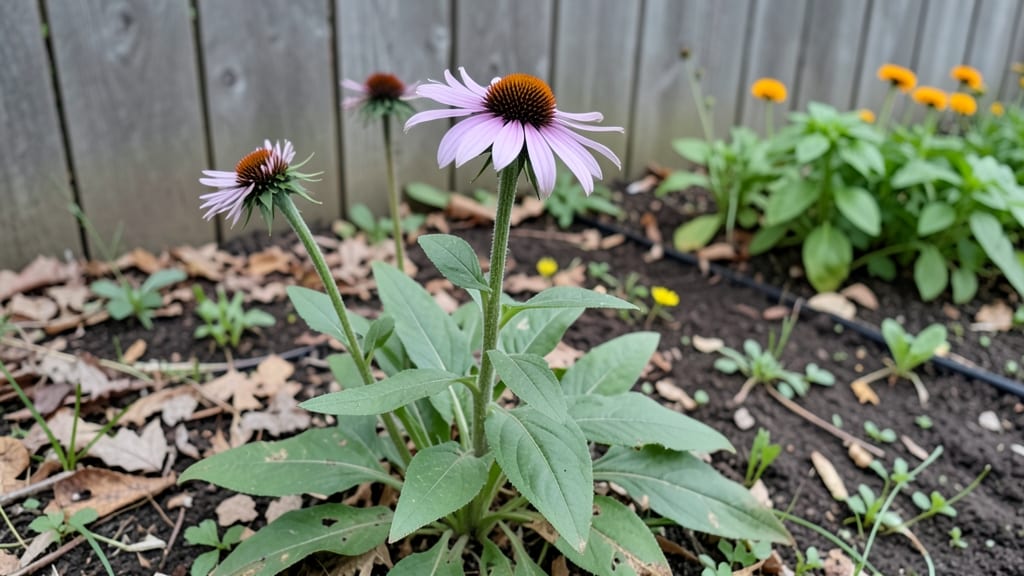
Coneflower seed heads are the unsung heroes of late-season gardens, turning brown stems into a buffet for birds and a treasure trove for gardeners. ✨ I learned the hard way that leaving them standing means fewer slugs in spring and more goldfinches at my feeder—plus, they add rustic texture to winter arrangements.
These spiky, papery structures aren’t just pretty; they’re survival kits packed with seeds that wait patiently for the right moment to sprout.
The beauty of coneflower seed heads is how low-maintenance they are—no pruning required until early spring. Simply let them dry on the plant, then collect them when they’re light enough to rattle in your hand.
For bird feeders, bundle a few stems and hang them near windows; for crafts, press them in heavy books or lay them flat to dry completely. The key is patience—rushed drying leads to brittle stems that crumble when you need them most.
You’ll end up with a garden that stays lively even after frost, where every seed head becomes a tiny ecosystem. Hummingbirds sip nectar from the remaining blooms while chickadees feast on the seeds, and you get free, organic mulch when they eventually drop.
The best part? These same seed heads can be scattered directly into garden beds in fall, giving you free coneflowers next summer.
Whether you’re crafting, feeding wildlife, or propagating new plants, coneflower seed heads deliver year after year. Start by leaving a few stems standing—your garden (and the birds) will thank you. Here’s how to make the most of them without missing a beat.
📚 In This Guide
- What you need
- Instructions
- Tips and common mistakes
- Wrapping up and next steps
What you need
- ● Coneflower seed heads (fresh or dried): At least 10-15 mature seed heads (purple, pink, or white varieties work best). Ensure seeds are fully brown and dry (no green stems or buds).
- ○ Potting soil (or native garden soil): Well-draining, loamy mix (avoid heavy clay). Optional: Add compost for nutrient boost (1 part compost to 3 parts soil).
- ● Containers or garden bed: For potted coneflowers: 6-12" diameter pots with drainage holes. For direct sowing: A sunny spot (6+ hours of light) with loose soil.
- ● Watering can or hose with a gentle spray nozzle.
- ● Pruning shears (for harvesting dried seed heads).
- ● Gloves (to protect hands from prickly stems).
- ● Seed-saving paper bags (for storing dried seeds over winter).
- ○ Birdseed mix (optional: blend dried coneflower seeds with sunflower seeds for wildlife buffets!).
- ● Straw or mulch (to insulate seed heads in cold months).
- ● Label markers (if tracking varieties or harvest dates).
How to preserve coneflower seed heads for wildlife
Turn last season's coneflowers into a year-round buffet for birds and pollinators with these simple steps.
🌿 Step 1: Select and Prepare Mature Seed Heads
Wait until coneflowers have fully matured and the seed heads turn a deep brown color—usually in late fall or early winter. Choose heads that remain upright and haven't been damaged by weather or pests. I like to work on a dry day when humidity is low to prevent mold.
Use clean, sharp pruners to cut the seed heads about 2-3 inches below the base. This stem length helps stabilize them in containers or arrangements. Remove any remaining leaves or debris that might harbor disease or attract pests. Place the cut seed heads in a single layer on a clean towel to dry completely for 24 hours.
🪴 Step 2: Create Display Containers or Bundles
For garden arrangements, use the 4 containers you've prepared (like shallow bowls, ceramic dishes, or even repurposed teacups). Fill each with 1-2 inches of dry sand or gravel to prevent rot and provide stability. Insert seed heads upright, spacing them 1-2 inches apart so they don't touch.
Alternatively, create bundles by tying 3-4 seed heads together with twine at the stem ends. Hang these from porch railings, tree branches, or fence posts for a rustic look. The key is keeping stems dry—if moisture lingers, the heads will rot within days. I always check for dampness after rain and bring bundles indoors temporarily if needed.
☀️ Step 3: Position for Year-Round Wildlife Use
Place containers where birds and pollinators can easily access them—near windows, patios, or garden edges. Seed-eating birds like goldfinches and chickadees love perching on the rims of shallow dishes. I position mine at eye level or slightly below so wildlife feels safe while feeding.
For winter displays, choose locations that receive some sunlight during the day to prevent ice buildup. If snow accumulates, gently brush it off with a broom—never shake the seed heads, as this can dislodge them or scare away visitors. The seeds remain viable for 1-2 years when kept dry, so you'll have a renewable food source each season.
✂️ Step 4: Refresh and Maintain Seasonally
Every 3-4 months, inspect seed heads for signs of wear. Remove any that have lost most of their seeds or show mold. Replace them with fresh heads from your garden or new purchases. I like to rotate containers between indoor and outdoor spaces to extend their usefulness—birds appreciate the variety!
In late winter, clean containers by removing old seed debris and rinsing with a 10% vinegar solution (1 part white vinegar to 9 parts water). This prevents bacterial growth while being safe for wildlife. Refill with fresh dry sand and new seed heads to welcome spring visitors.
Tips & tricks for perfect coneflower seed head preservation
Here's what I've learned after preserving coneflower seed heads for years—these little tricks make all the difference in keeping them wildlife-friendly and long-lasting.
The Drying Factor: That 24-hour drying time in Step 1 isn't just about removing moisture—it's about preventing mold spores from getting a foothold. I've found that spreading the seed heads on a clean towel in a well-ventilated area (like a covered porch) works even better than an indoor space. The airflow helps them dry more evenly and completely.
Container Stability: When arranging your 4 containers in Step 2, I recommend placing a small piece of landscape fabric or coffee filter at the bottom before adding the dry sand. This creates a barrier that prevents sand from falling through any cracks in ceramic dishes, keeping your containers stable and looking tidy for months.
Winter Survival Strategy: For winter displays, I've discovered that placing containers on small ceramic tiles or heat-resistant mats helps prevent ice buildup on the bottom. The slight elevation allows any melting snow to drain away while keeping the seed heads above the coldest air. This simple trick extends their usability by preventing rot during freeze-thaw cycles.
Seasonal Rotation: The 3-4 month refresh schedule in Step 4 works perfectly, but I've added a personal touch: I keep a small notebook to track which containers I rotate indoors during winter. This helps me remember which ones need extra attention when spring arrives—some containers get more bird activity than others, so this rotation keeps all my displays equally appealing.
Pro Tips for Coneflower Seed Heads
- Here's what I've learned after preserving coneflower seed heads for years—these little tricks make all the difference in keeping them wildlife-friendly and long-lasting.
- The Drying Factor: That 24-hour drying time in Step 1 isn't just about removing moisture—it's about preventing mold spores from getting a foothold.
- Container Stability: When arranging your 4 containers in Step 2, I recommend placing a small piece of landscape fabric or coffee filter at the bottom before adding the dry sand.
Frequently asked questions
When is the best time to leave coneflower seed heads for wildlife?
Leave them standing through winter—seed heads remain a vital food source for birds like goldfinches and chickadees until late spring. Only remove them in early spring (February–March) to tidy up before new growth begins. This ensures wildlife has access to seeds before other food sources appear.
Do coneflower seed heads attract pests like rodents or insects?
While seed heads are a boon for birds, they rarely attract pests. Rodents may nibble if seeds are abundant, but native birds usually outcompete them. To deter pests, shake or lightly prune dried seed heads in late winter, scattering excess seeds on the ground (away from structures) for ground-feeding birds.
How long do coneflower seed heads last before they degrade?
Seed heads stay intact for 6–12 months if left undisturbed. In mild climates, they may persist until spring rains or fungal decay sets in. For longevity, choose disease-resistant varieties (like ‘Magnus’ or ‘White Swan’) and avoid overcrowding plants to improve airflow.
Can I collect and save coneflower seeds for next year?
Harvest seeds in late fall or winter when the heads turn brown and papery. Place them in a paper bag, shake to release seeds, then store in a cool, dry spot until spring planting. Pro tip: Label varieties to maintain consistency in your garden!
What if my coneflowers don’t produce seed heads?
Lack of seed heads often stems from over-fertilizing (too much nitrogen) or lack of pollinators. Reduce fertilizer, plant pollinator-friendly flowers nearby (like bee balm or milkweed), and ensure full sun (6+ hours daily). If issues persist, check for powdery mildew—prune affected stems and improve airflow.
Wrapping up and next steps
Transforming your garden into a thriving wildlife haven with coneflower seed heads is simpler—and more rewarding—than you might think! These resilient blooms not only add beauty but also provide a year-round buffet for birds, bees, and butterflies.
Whether you're a seasoned gardener or just starting out, every seed head you leave standing makes a difference.
Ready to take the next step? Start small—plant a few coneflowers this season and watch your garden become a bustling ecosystem! Share your progress or ask questions in the comments—we’d love to see (and help with) your wildlife-friendly journey. 🌿✨