
Advice
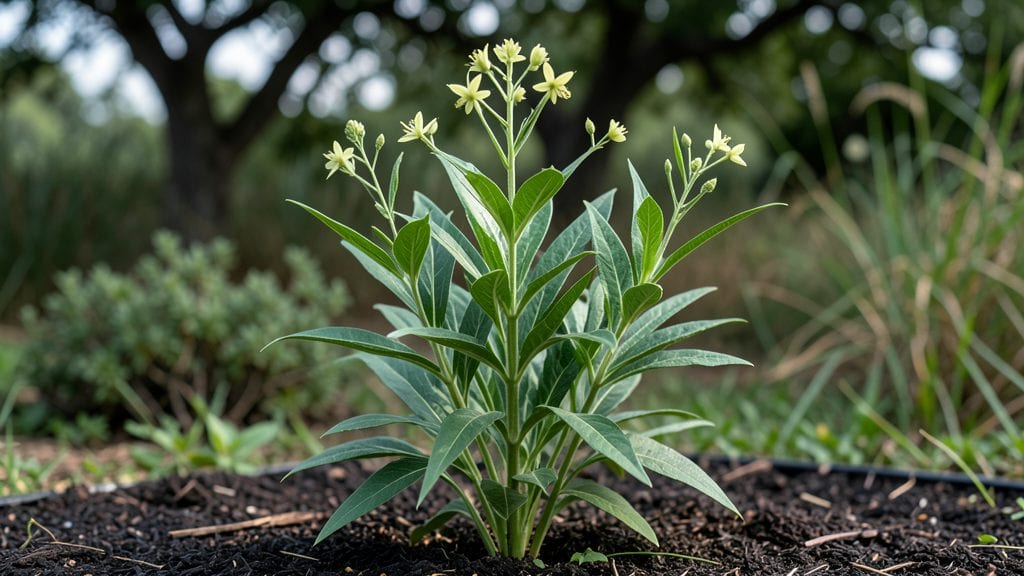
Yes, seeds can be frozen to extend their shelf life for years, but only if you follow precise storage methods to prevent moisture exposure and maintain germination rates. Use airtight containers with desiccants and clearly label them with dates.
Freezing works best for what gardeners call orthodox seeds—those that naturally survive dry conditions—like tomatoes, beans, and herbs.
The process halts metabolic activity, keeping them dormant until you're ready to plant. 🌱 What trips people up is moisture: even a tiny amount of dampness can trigger mold or reduce germination.
I've seen seed packets fail when stored in regular plastic bags, so I always opt for airtight mylar bags with silica gel packets or uncooked rice as a DIY desiccant. Labeling isn't just helpful—it's essential, since seed viability drops over time (some last 5 years, others just 1).
For recalcitrant seeds (like avocado or mangosteen), freezing is risky—these need to stay fresh, not frozen. Always check your seed type before storing. Pro tip: Test a few seeds after thawing to confirm they're still viable before committing to a full batch.
💡 In This Article
- How Freezing Affects Seed Viability and Germination
- Step-by-Step Guide to Freezing Seeds Properly
How freezing affects seed viability and germination
The science behind freezing seeds lies in their metabolic state. When temperatures drop below 32°F, most seeds enter a state of dormancy where their metabolic processes slow dramatically—sometimes by up to 90%.
This pause in cellular activity preserves the seed's internal chemistry, including enzymes and proteins critical for germination. Think of it like hitting the pause button on a biological clock, allowing seeds to remain viable for years without aging. 🔥
Moisture becomes the silent enemy in this process. Even a 5-10% moisture content can trigger enzymatic reactions that damage cell membranes, leading to mold or reduced germination rates. Oxygen also plays a role—excessive exposure accelerates oxidation of seed oils, which degrades membrane integrity over time.
That's why proper packaging isn't just about temperature control; it's about creating an environment where seeds can remain in suspended animation safely.
Not all seeds respond equally to freezing. Orthodox seeds (like beans, tomatoes, or herbs) thrive in frozen storage because their natural survival mechanisms include desiccation tolerance. These seeds can handle the cold and dry conditions of freezing without significant damage.
In contrast, recalcitrant seeds (such as avocado or coconut) contain high moisture levels and lack the protective mechanisms to survive freezing—their cells can rupture when ice crystals form, killing the seed entirely.
Temperature consistency is another critical factor. Fluctuations above 32°F can cause partial thawing, which is worse than no freezing at all. This creates ice crystals that puncture cell walls, similar to how frost damages plant leaves.
That's why commercial seed banks use -18°C (-0.4°F) freezers—consistent cold prevents these damaging cycles. For home storage, a standard freezer at 0°F works, but avoid door shelves where temperatures vary.
Germination rates also depend on seed age. Fresh seeds (less than 1 year old) typically maintain 90-95% viability after 5 years of freezing, while older seeds may drop to 70-80%**.
This is why labeling seeds with harvest dates is non-negotiable—it helps you track which seeds to plant first for the best results. The key takeaway? Freezing works wonders for the right seeds, but only when you control every variable from moisture to temperature stability. ✨