Companion Plants
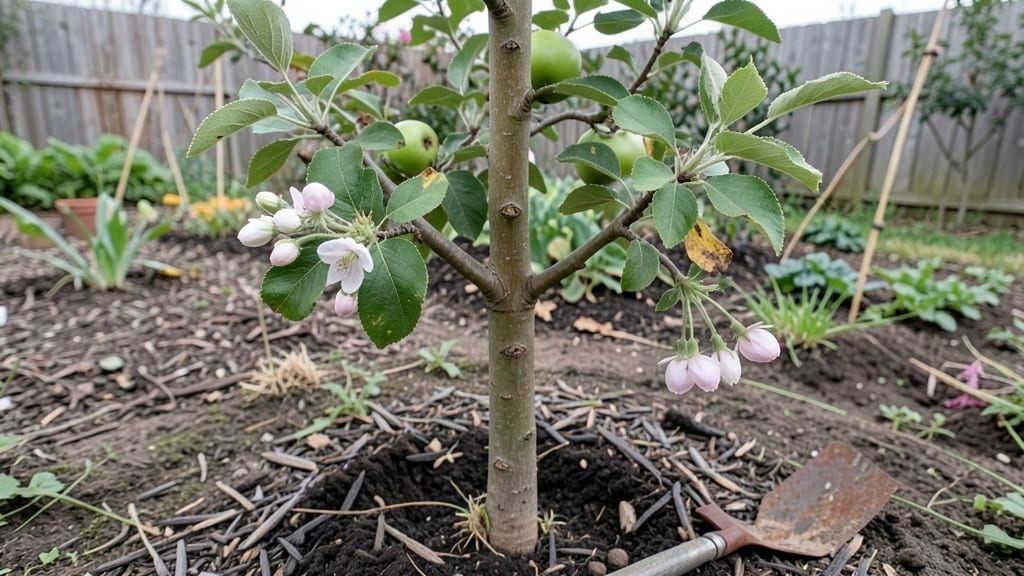
You can plant an apple seed to grow a tree, but it won't reliably produce fruit matching the parent tree. Seed-grown trees often develop unpredictable traits, including weaker growth, poor disease resistance, and inferior fruit quality. The process demands patience—germination can take weeks to months—and careful nurturing for any chance of success.
Apple seeds come from cross-pollinated fruit, meaning the resulting tree could inherit traits from multiple parent varieties. 🌱 For example, a seed from your favorite Granny Smith might grow into a tree producing tart, mealy apples—or none at all.
This genetic lottery is why commercial orchards use grafting instead: it guarantees consistent fruit quality and faster maturity. If you're determined to try, start with fresh seeds (never store-bought, as they're often treated to prevent germination) and give them cold stratification—40°F for 6-8 weeks—to mimic winter conditions.
Once sprouted, seedlings need bright light and well-draining soil to thrive. Most gardeners find the wait frustrating—it can take 5-10 years for a seedling to bear fruit, if ever. 💫 That said, the experiment offers valuable lessons in plant genetics and the magic of nature's unpredictability.
For reliable apple trees, grafting remains the gold standard, but the seed-growing journey makes for a rewarding (if unpredictable) adventure.
💡 In This Article
- Why Apple Seedlings Rarely Match Parent Trees
- Step-by-Step Guide to Germinating Apple Seeds
Why apple seedlings rarely match parent trees
Apple trees grown from seed undergo a genetic process called sexual reproduction, where pollen from one tree fertilizes the ovule of another. This creates a hybrid with traits from both parents—often resulting in weaker disease resistance, smaller fruit, or even complete failure to produce edible apples.
For example, a seed from a Honeycrisp apple might grow into a tree bearing tart, mealy fruit or none at all. 🌱 The unpredictability stems from how genes combine during fertilization, unlike cloning or grafting, which preserve exact parent traits.
Commercial orchards avoid this variability by using grafting, a technique where a scion (desired variety) is fused onto a rootstock. This method guarantees fruit quality, disease resistance, and faster maturity—typically 3-5 years versus 10+ years for seed-grown trees.
The science behind grafting involves precise tissue matching to ensure the scion and rootstock merge seamlessly, creating a genetically identical tree to the parent. This is why grocery store apples taste consistent year after year.
Seedlings also inherit disease vulnerabilities from wild ancestors. Apple trees evolved to survive in forests with minimal human intervention, so their natural defenses are weaker against modern pests like fire blight or apple scab. A seedling’s growth vigor often lags behind grafted trees, with thinner bark and slower root development.
Even if a seedling survives, its fruit may lack the sweetness or texture of the parent variety due to epigenetic changes during germination.
Consider this comparison: A grafted Fuji apple tree will reliably produce crisp, sweet fruit within 5 years, while a seedling from the same variety might take 15 years (if it ever fruits) and yield bitter, seedy apples.
The trade-off? Seed-grown trees offer a fascinating glimpse into plant genetics, but they’re rarely practical for harvests. For home gardeners, grafting or buying young trees from nurseries is the smarter choice.
One exception is self-pollinating varieties, like Granny Smith, where seeds might produce similar fruit—but even then, traits can drift. The key takeaway: Seed-growing is more of a scientific experiment than a reliable farming method. 💫 For consistent results, grafting or nursery-bought trees are the way to go.