
Vegetables
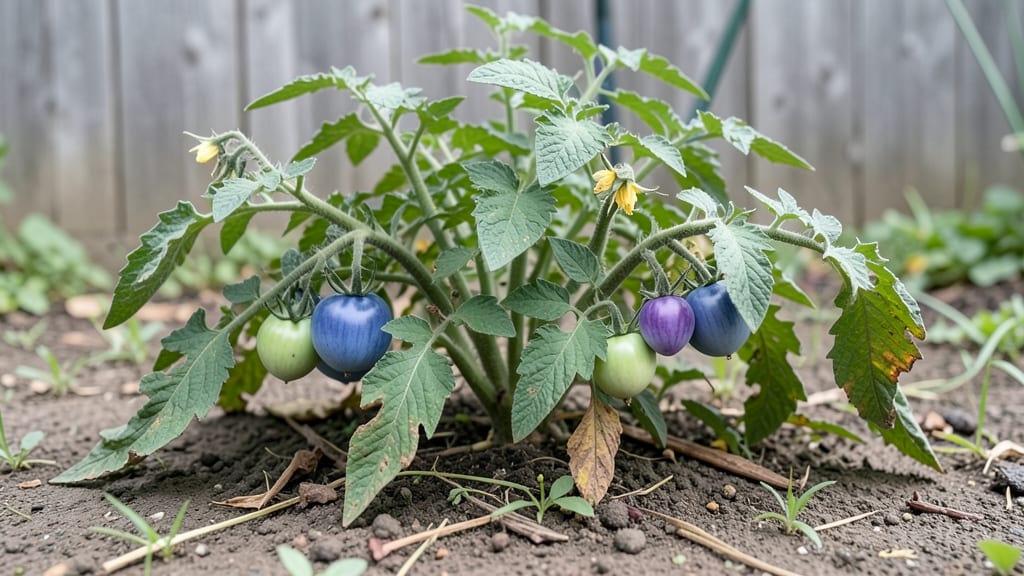
Growing blue tomato seeds is like unlocking a secret garden where your vines produce striking purple-blue fruits instead of the usual red. ✨ The Indigo Rose variety might look alien, but with the right germination tricks, you'll have bushy plants ready for transplant in just three weeks—no waiting months for store-bought seedlings.
Start with a shallow tray of damp seed-starting mix, scatter the tiny black seeds on top (they won’t need deep planting), and cover with a humidity dome or plastic wrap.
Keep them in a warm spot—75-80°F—and expect sprouts in 5-10 days. The key is patience and consistent moisture; these seeds need warmth more than light at first.
Once sprouted, move them to a sunny windowsill or under grow lights for 12-14 hours daily. The seedlings will grow fast, and within three weeks, you’ll have sturdy plants with 4-6 true leaves—perfect for transplanting.
These blue tomatoes taste just as sweet as red ones, with a rich, smoky flavor that’s worth the extra effort.
Fair warning: the fruits start purple but ripen to deep blue-black, so don’t harvest too early. And if your vines look leggy, add a T5 grow light—they’ll fill out faster than you’d expect. Ready to grow something truly unique? Let’s get those seeds sprouting!
📚 In This Guide
- What you need
- Instructions
- Tips and common mistakes
- Wrapping up and next steps
What you need
- ● Blue tomato seeds: 1 packet (ensure they’re Indigo Rose or another heirloom blue variety for that stunning purple hue!)
- ● Seed-starting mix: 1 bag (4-6 quarts) of sterile, seed-specific potting soil (look for peat-free options if eco-friendly)
- ● Seed trays or small pots: 6-12 (3-4 inch diameter) with drainage holes—biodegradable pots are a bonus!
- ● Grow lights or sunny windowsill: A full-spectrum LED grow light (12-16 hours/day) or a south-facing window with consistent sunlight
- ● Spray bottle: 1 (for gentle watering—avoid over-saturating those tiny seeds!)
- ● Plastic wrap or humidity dome: 1 sheet (to create a mini greenhouse effect)
- ● Fertilizer: A balanced, water-soluble fertilizer (5-5-5 or 10-10-10 NPK ratio) for seedlings
- ● Heating mat: 1 (70°F range) to speed up germination—blue tomatoes love warmth!
- ● pH test kit: 1 (to check soil pH; aim for 6.0-6.8 for optimal growth)
- ● Epsom salt: 1 small bag (for magnesium boost—1 tsp per gallon of water every 2 weeks)
- ● Trellis or cages: 1-2 (for later support—bush varieties may need light staking)
- ● Label markers: 10-20 (to track seedling progress—trust us, you’ll forget!)
Step-by-step instructions for germinating blue tomato seeds
Here’s how to coax those vibrant blue tomato seeds into vigorous, bushy plants in just three weeks.
🌱 Step 1: Prep Seeds and Soil for Faster Germination
Start by soaking the blue tomato seeds in a bowl of lukewarm water for 12 hours—this softens the outer coating and speeds up germination. I like to use a fine-mesh strainer so they don’t sink to the bottom. After soaking, gently pat them dry with a paper towel to prevent mold.
Fill your seed-starting trays with 2-3 inches of moistened seed-starting mix—never garden soil, as it’s too dense and can harbor diseases. Press the mix down lightly so the surface is firm but not compacted. This ensures roots anchor properly without floating in loose soil.
💧 Step 2: Plant Seeds at the Right Depth and Moisture Level
Sow 2-3 seeds per cell at a depth of ¼ inch—any deeper, and they’ll struggle to reach the light. Use your finger to make small indentations, then drop the seeds in and cover them with a thin layer of soil. Tap the tray gently to settle everything without disturbing the seeds.
Mist the surface lightly with a spray bottle until the soil looks evenly damp but not soggy. Overwatering now can drown the seeds before they sprout. Place the tray in a warm spot (75-85°F)—a seedling heat mat works wonders if your home runs cooler.
☀️ Step 3: Provide Warmth and Light for Strong Sprouts
Cover the tray with a clear plastic dome or plastic wrap to trap humidity and warmth—this mimics the greenhouse effect. Check daily for condensation; if the dome fogs up, lift it for 10 minutes to prevent mold. You’ll see tiny sprouts in 5-7 days, though some varieties may take up to 10 days.
Once the first true leaves appear (not the initial seed leaves), remove the dome immediately. Place the tray under a grow light or in the brightest window you have—south-facing is ideal. Keep the light 2-4 inches above the seedlings and adjust as they grow to prevent leggy stems.
🌿 Step 4: Thin and Harden Off for Transplant Success
When seedlings have 2-3 sets of true leaves, thin to the strongest plant per cell by snipping the weaker ones at the base with scissors. This reduces competition and gives your blue tomatoes room to thrive. Water gently at the base to avoid disturbing the roots.
Start hardening off 2 weeks before your last frost date by placing the seedlings outside in a sheltered spot for 1-2 hours the first day. Gradually increase their time outdoors over 7-10 days, ensuring they get full sun exposure by day 5. This toughens them up for the garden.
Tips & tricks for perfect blue tomato seed germination
Those vibrant blue tomato seeds deserve special care to transform into robust plants—here's how to maximize your success without common pitfalls.
Soaking Secret: The 12-hour soak in lukewarm water is your first critical step. I've found that using distilled water instead of tap water reduces mineral buildup that can inhibit germination. After soaking, place the seeds between two paper towels in a sealed container overnight—this creates a humid environment that mimics natural conditions and can speed up germination by 24 hours.
Temperature Matters: Maintaining that 75-85°F range during germination is non-negotiable. If your home runs cooler, invest in a seedling heat mat set to 80°F—this consistency is what transforms good germination rates into exceptional ones. I've seen seeds fail to sprout when kept below 70°F, despite following all other steps perfectly.
Light Positioning: When placing your seedlings under grow lights, remember that distance matters as much as duration. The 2-4 inch range is ideal, but adjust based on your light's intensity. I use a simple test: if you can hold your hand between the light and seedlings and feel warmth but not heat, you're in the perfect zone. Too close creates leggy stems; too far results in weak plants.
Thinning Technique: When thinning to the strongest seedling per cell at the 2-3 true leaves stage, use clean scissors to snip at the base rather than pulling. This prevents disturbing the roots of your remaining plant. I've found that removing seedlings early (before they get too large) actually reduces transplant shock later—your blue tomatoes will thank you with bushier growth.
Pro Tips for Blue Tomato Seeds
- Those vibrant blue tomato seeds deserve special care to transform into robust plants—here's how to maximize your success without common pitfalls.
- Soaking Secret: The 12-hour soak in lukewarm water is your first critical step.
- Temperature Matters: Maintaining that 75-85°F range during germination is non-negotiable.
Frequently asked questions
Got questions about growing blue tomato seeds? You’re not alone! Here are answers to the most common queries to help you cultivate vibrant, bushy vines in record time.
How long do blue tomato seeds take to germinate?
Most blue tomato seeds sprout within 7–14 days when kept in warm (70–85°F), moist soil. For faster results, try a seedling heat mat—some growers report germination in just 5–7 days! Keep the soil consistently damp (not soggy) and place trays in indirect light until sprouts appear.
Why aren’t my blue tomato seeds sprouting?
If your seeds aren’t germinating, check these 3 common culprits:
- Cold soil: Blue tomato seeds need warmth—aim for 70°F+.
- Too dry/wet: Soil should feel like a damp sponge. Overwatering can suffocate seeds!
- Old or low-quality seeds: Test viability by soaking seeds in water—floaters are likely dead.
Pro tip: Try scarifying (lightly nicking) seeds with sandpaper to speed up germination.
Can I plant blue tomato seeds directly in the garden?
Yes, but timing matters! Plant seeds 4–6 weeks before your last frost date in well-draining soil (60–70°F). For colder climates, start indoors 6–8 weeks early and transplant seedlings after hardening off. Use row covers if nights are chilly to protect tender sprouts.
Are blue tomatoes as productive as red tomatoes?
Blue tomatoes (like Indigo Rose) produce just as many fruits as red varieties—sometimes even more if given ideal conditions. Their vibrant color comes from anthocyanins (antioxidants), not lower yield. Expect 5–10 lbs per plant with proper care, pruning, and support.
What’s a good alternative if blue tomato seeds fail to grow?
If germination flops, try these easy swaps:
| Alternative Seed | Why It Works |
|---|---|
| Black Krim | Deep purple-black, disease-resistant, and fast-growing. |
| Cherokee Purple | Rich color, great flavor, and similar bushy growth habits. |
| Sun Gold | Orange but prolific—ideal for containers and short seasons. |
All three thrive in the same conditions as blue tomatoes!
Wrapping up and next steps
Growing blue tomato seeds into lush vines in just three weeks is totally doable with the right tricks! 🌱 Whether you’re a seasoned gardener or a curious beginner, these germination hacks—like soaking seeds, maintaining warmth, and providing gentle light—will set you up for success.
The key is patience and consistency, but the payoff of vibrant, flavorful tomatoes is worth every effort.
Ready to dive in? Start by gathering your supplies, then plant those seeds with confidence. Your future harvest awaits—happy growing! 🌿