Size
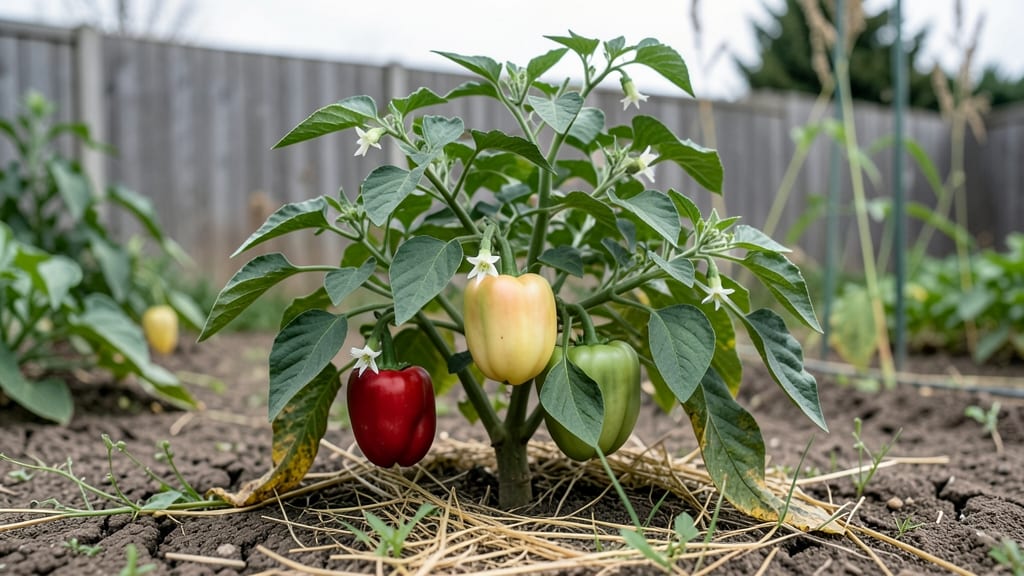
Growing peppers from seed is the fastest way to turn a blank garden spot into a spicy harvest. 🌱 I’ve learned that the right tricks—like pre-soaking seeds and using bottom heat—can cut germination time from weeks to days, giving you a head start on the season.
The payoff? Homegrown jalapeños, bell peppers, and ghost peppers that outshine anything from a store shelf.
Start with fresh seeds and a simple setup: a heat mat, seed-starting mix, and a clear plastic dome to trap moisture. Most peppers need 75–85°F soil to sprout, so a sunny windowsill or grow light works—but a heat mat speeds things up dramatically.
Plant seeds ¼-inch deep, space them an inch apart, and keep the soil damp (not soggy) until those first green shoots break through.
Once they’re up, thin to the strongest seedlings and move them to 6–8 hours of sunlight daily. Peppers are hungry plants, so feed them every 2–3 weeks with a balanced fertilizer once they’ve got true leaves.
The result? Bushes packed with peppers by midsummer—some varieties even produce all season long if you keep them happy.
Works for any climate, though timing varies: start seeds 8–10 weeks before last frost in cool zones, or 6–8 weeks in warmer areas. The key is patience and consistency—peppers reward both with bold flavors and eye-popping colors. Ready to get growing?
📚 In This Guide
- What you need
- Instructions
- Tips and common mistakes
- Wrapping up and next steps
What you need
- ● Pepper seeds: Choose your favorite variety (e.g., bell, jalapeño, habanero). Start with 5–10 seeds to test germination.
- ● Seed-starting trays or pots: 2–4" deep with drainage holes (or biodegradable peat pots). 6–12 trays for multiple seeds.
- ● Seed-starting mix: Lightweight, sterile potting soil (avoid garden soil—it’s too dense!). 1–2 bags (1–2 cubic feet).
- ● Grow lights or sunny windowsill: Peppers need 12–16 hours of light daily. A LED grow light (12–15W per tray) works best.
- ● Spray bottle: For gentle watering (avoid over-saturating seeds!).
- ○ Plastic wrap or humidity dome: Keeps moisture in while seeds germinate (optional but helpful!).
- ○ Heat mat (optional): Peppers germinate faster in 75–85°F soil. A seedling heat mat speeds up the process.
- ● Patience: Germination takes 7–21 days (longer for hot peppers!).
- ● Consistent care: Keep soil moist but not soggy and maintain warm temperatures.
- ● Space planning: Peppers need 18–24" of space per plant when transplanted outdoors.
- ● Outdoor readiness: Wait until nighttime temps stay above 50°F before moving seedlings outside.
Step-by-step instructions for germinating pepper seeds like a pro
Skip the waiting game—these tricks cut germination time in half while ensuring strong, healthy starts.
🌱 Step 1: Pre-Soak Seeds for Instant Sprouting
Pepper seeds have tough outer shells that slow germination. Place them in a lukewarm water bath for 12-24 hours—this softens the coating and kickstarts root growth. I use a small bowl with just enough water to cover the seeds completely. Swirl them gently to ensure full contact.
After soaking, drain and spread the seeds on a paper towel to dry slightly—just until they no longer feel slick to the touch. This prevents mold while keeping them primed to sprout. You'll notice tiny white roots emerging within 24 hours of soaking, signaling they're ready for planting.
💧 Step 2: Plant in Warm, Moist Starting Mix
Fill your seed trays with the sterile seed-starting mix and moisten it until it feels like a damp sponge—no puddles, just even moisture. Pepper seeds need warmth to germinate, so I place the trays on a seedling heat mat set to 80-85°F. The mat keeps the soil consistently warm without overheating.
Plant seeds ¼ inch deep—any deeper and they’ll struggle to reach the surface. Space them ½ inch apart in rows to avoid crowding. Gently press the soil around them to ensure good contact, then cover the tray with plastic wrap to trap heat and humidity. Check daily for condensation—if it’s heavy, lift the wrap to air out for 10 minutes.
☀️ Step 3: Provide Light and Monitor Germination
Pepper seeds need 12-16 hours of light daily to prevent leggy growth. I use a grow light on a timer, positioned 2-3 inches above the tray. You’ll see the first sprouts in 7-14 days—earlier if using pre-soaked seeds. Once they emerge, remove the plastic wrap immediately to prevent fungal issues.
Watch for first true leaves (the second set after the initial cotyledons) as your signal to thin seedlings. If you planted too close, snip the weaker ones at soil level with clean scissors. Keep the soil moist but never soggy—pepper seedlings wilt faster than you’d expect when thirsty.
✂️ Step 4: Harden Off for Outdoor Success
Two weeks before transplanting, start hardening off seedlings by placing them outside in partial shade for 1-2 hours daily. Gradually increase exposure over 7-10 days, ending with full sun. I test readiness by pinching a leaf—if it stays firm and doesn’t droop, the plant’s tough enough for the garden.
Transplant on a cloudy day or in late afternoon to reduce shock. Bury seedlings slightly deeper than their original pot level—pepper plants develop strong roots from their stems. Water deeply at the base to settle soil and encourage root spread.
Tips & tricks for faster pepper seed germination
Real talk: Those tough pepper seed shells are the real villain in slow germination. But with these pro moves, you'll shave weeks off your wait time while ensuring every seedling comes up strong and healthy.
The Soak Secret: Don't just drop seeds in water and forget them. For the 12-24 hour soak, use lukewarm water that feels like a warm bath—not scalding, not cold. I add a drop of hydrogen peroxide (3%) to the water to prevent bacterial growth while soaking. After draining, I press the seeds between two paper towels and fold them into a "burrito" shape to maximize surface area for oxygen during that critical 24-hour root emergence window.
Heat Mat Hack: That 80-85°F range on your seedling heat mat isn't just arbitrary—it's mimicking tropical conditions where peppers evolved. If you don't have a heat mat, place your seed trays on top of your refrigerator (not inside) for consistent warmth. Pro tip: Use an infrared thermometer to check the actual soil temperature—many heat mats run cooler than their settings suggest. The goal is bottom heat, not top heat from overhead lights.
Light Timing Precision: The 12-16 hours of light isn't about total hours, but about consistent light cycles. Set your grow light timer for 14 hours on/10 hours off to prevent leggy seedlings. I position my light just 2-3 inches above the trays and adjust as seedlings grow—too far away and they stretch, too close and they burn. Watch for that first true leaf set (the second pair after the initial cotyledons) as your cue to thin seedlings. This is when their light competition really begins.
Harden Off Strategically: When you're increasing outdoor time from 1-2 hours to full sun over 7-10 days, think of it like sun protection for your seedlings. Start with morning shade and gradually move to afternoon sun. I test readiness by gently pinching a leaf—if it springs back immediately, they're ready. The key is gradual acclimation: sudden full sun exposure can cause sunburn that looks like white patches on leaves, and that's permanent damage.
Pro Tips for Pepper Seeds Grow A Garden
- Real talk: Those tough pepper seed shells are the real villain in slow germination.
- The Soak Secret: Don't just drop seeds in water and forget them.
- Heat Mat Hack: That 80-85°F range on your seedling heat mat isn't just arbitrary—it's mimicking tropical conditions where peppers evolved.
Frequently asked questions
Got questions about growing peppers from seeds? You’re not alone! Here are some of the most common queries—and their straightforward answers—to help you cultivate a thriving garden.
How long does it take for pepper seeds to germinate?
Most pepper seeds sprout within 7–21 days, depending on temperature, moisture, and variety. Bell peppers often germinate faster (7–14 days), while hot peppers like jalapeños or habaneros may take up to 3 weeks. Keep soil warm (70–85°F) and moist for best results!
Can I grow pepper seeds indoors before planting outside?
Start seeds indoors 8–12 weeks before your last frost date. Use seed trays with well-draining soil, place under grow lights (or near a sunny window), and transplant seedlings outdoors only after nighttime temps stay above 50°F. Harden off seedlings for 1–2 weeks first!
Why aren’t my pepper seeds sprouting? Troubleshooting tips.
If seeds aren’t germinating, check these common issues:
- Too cold: Pepper seeds need warmth—use a heat mat if your home is chilly.
- Poor moisture: Keep soil damp (not soggy) but avoid overwatering.
- Old seeds: Viability drops after 1–2 years; test with a paper towel germ test if unsure.
- Low light: Seeds need indirect light; move trays closer to a window or use LED grow lights.
What’s the best soil mix for pepper seeds?
Use a light, sterile, and well-draining mix like:
- 50% peat moss or coco coir
- 30% perlite or vermiculite
- 20% compost or worm castings
Can I save seeds from store-bought peppers to grow my own?
Yes, but with caveats! Hybrid peppers (like many grocery-store varieties) may not produce true-to-type seeds. For heirloom or open-pollinated peppers (e.g., ‘Carolina Reaper’ or ‘Jalapeño M’), save seeds by fermenting them in water for 3–5 days, then drying and storing in a cool, dark place. Label varieties to avoid surprises!
Wrapping up and next steps
Growing peppers from seed is a rewarding journey that brings bold flavors and vibrant plants to your garden—and you’ve got all the pro tips to make it thrive! 🌱 From pre-soaking seeds to mastering light and warmth, these tricks ensure faster germination and healthier growth.
Now that you’re armed with the know-how, there’s no better time to start than today—grab those seeds, prep your space, and watch your garden come alive!
👉 Next step: Pick your pepper varieties, gather your supplies, and dive into planting—your harvest is waiting!