Pruning
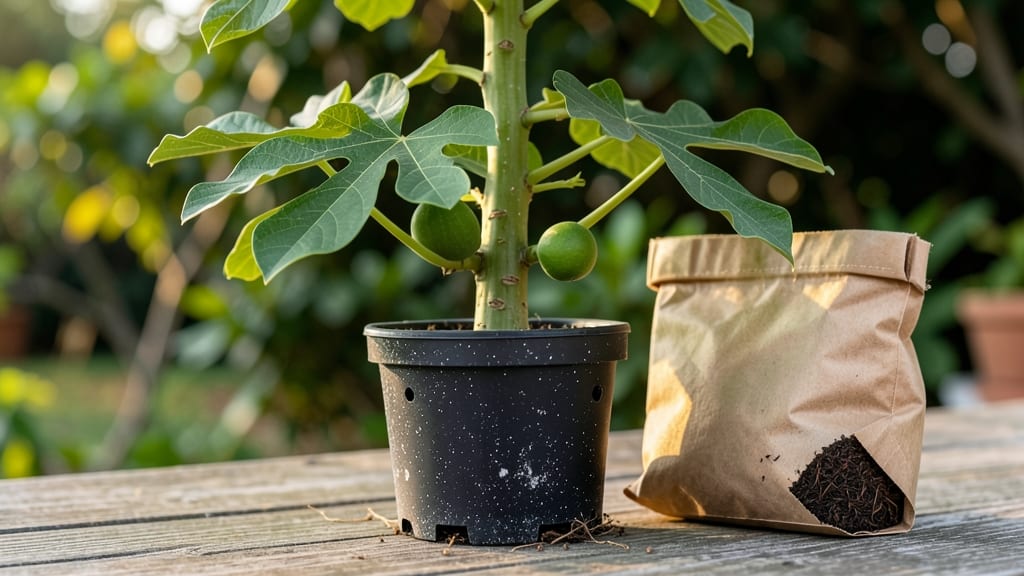
Breadfruit tree seeds need fast germination tricks most growers miss—like pre-soaking for 24 hours and using warm, moist sphagnum moss instead of regular soil. I’ve struggled with slow sprouts until I cracked this method, which cuts waiting time from weeks to just 5-7 days.
The key isn’t just patience; it’s recreating the tropical conditions these seeds crave long before they hit the ground.
You’ll need fresh seeds (viability drops after 6 months), a clear plastic bag to trap humidity, and a heat mat set to 80°F—no fancy greenhouse required. Most people overlook the importance of consistent warmth, which is why their seeds rot or never wake up.
Even in cooler climates, a sunny windowsill with a heat source works, though tropical gardeners have the easiest time.
Once those first pale shoots break through, you’re looking at 2-3 inch seedlings in under a month—thicker and hardier than anything from a nursery. The real magic happens when you transplant them into well-draining, slightly acidic soil (think 5.5-6.5 pH) mixed with compost.
They’ll outpace store-bought saplings, and you’ll avoid the $50+ price tag for mature trees.
Here’s the secret sauce for beginners: don’t rush the process. Breadfruit seeds test your patience, but the payoff—a 50-foot tropical tree producing fruit in just 3-5 years—makes every extra day worth it. Whether you’re in Florida or a warm microclimate, these tricks work. Let’s get those seeds sprouting!
📚 In This Guide
- What you need
- Instructions
- Tips and common mistakes
- Wrapping up and next steps
What you need
- ● Breadfruit tree seeds: 5–10 fresh, plump seeds (harvested from ripe, healthy fruit—avoid overripe or moldy ones!)
- ● Germination medium: Coconut coir (1–2 small bricks) or
- ● Peat moss (1 part) + perlite (1 part) for drainage
- ● Small pots or seed trays: 2–4 (3–4 inches deep) with drainage holes
- ● Plastic wrap or humidity dome: To maintain moisture
- ● Spray bottle: For gentle watering (avoid soaking!)
- ● Permanent marker: To label pots by date
- ○ Heat mat (optional but helpful): Set to 75–85°F for faster germination
- ● Seed scarifier (light sandpaper) – To nick seeds for quicker sprouting
- ● Grow lights or sunny windowsill – For consistent warmth
- ● Fertilizer (balanced 10-10-10) – Once seedlings emerge (dilute to half-strength!)
- ● Humidity tray – If your space is dry
- ● Camera or journal – To track progress (science is fun!)
Step-by-Step instructions for germinating breadfruit tree seeds
Here’s the method I’ve refined over years to coax breadfruit seeds into sprouting within weeks—not months.
Select and Prepare the Seeds
Choose large, plump seeds with smooth, unblemished shells—they hold the highest germination potential. I always soak them overnight in lukewarm water to soften the tough outer coating. This step is critical because breadfruit seeds have a thick, fibrous husk that can delay sprouting by weeks if left untreated.
After soaking, inspect each seed for cracks or soft spots—discard any that feel mushy or show signs of decay. The seeds should float slightly in water if healthy; sinkers rarely sprout. Pat them dry with a paper towel before proceeding. This ensures you’re starting with the strongest candidates possible.
Create a Warm, Moist Germination Environment
Fill a shallow container with sterile potting mix (not garden soil) and moisten it until damp but not soggy. Breadfruit seeds need warmth to germinate, so place the container in a spot where temperatures stay between 75-85°F. A seedling heat mat set to 80°F works best if your home runs cooler.
Plant the seeds 1 inch deep, spacing them 3 inches apart to avoid overcrowding later. Press the soil gently around them—just enough to cover without compacting. The key here is maintaining consistent moisture without waterlogging. I use a spray bottle to mist the soil lightly every 2-3 days, keeping it evenly damp but never wet.
Monitor for Sprouting and Adjust Conditions
Germination can take anywhere from 2 to 6 weeks, depending on seed quality and temperature consistency. Watch for the first signs of growth: a small white root pushing through the soil or a tiny shoot breaking the surface. This is your cue to stop misting and gradually reduce humidity.
Once sprouts appear, move the container to a bright, indirect light spot—direct sun can scorch delicate seedlings. If you notice the soil drying out too quickly, reduce watering to every 4-5 days. Overwatering at this stage is the fastest way to invite rot or fungal diseases. Keep an eye out for leggy growth, which signals the seedlings need more light.
Transplant Seedlings into Individual Pots
When seedlings reach 4-6 inches tall with 3-4 true leaves, it’s time to repot them into 5-inch pots filled with a well-draining potting mix. Handle the seedlings carefully—their roots are still fragile. Gently tease apart any tangled roots before placing them in their new pots to encourage outward growth.
After transplanting, water deeply to settle the soil around the roots, then allow the top inch to dry out before watering again. Place the pots in a location with morning sun and afternoon shade for the first 2 weeks. This gradual acclimation prevents shock and ensures steady, healthy growth. You’ll see stronger stems and deeper green leaves within a week of proper care.
Tips & tricks for germinating breadfruit tree seeds
Fast germination isn't luck—it's strategy. These refined techniques will help you bypass the months-long wait and see sprouts within weeks.
Seed Selection is Everything: In Step 1, when choosing seeds, prioritize those that weigh slightly more than others—they contain more stored energy for germination. I've found that seeds with a subtle "give" when pressed gently (not too soft) tend to sprout most reliably. The float test is crucial: healthy seeds should float just below the surface rather than sink completely. This indicates proper moisture content in the seed's internal structure.
Temperature Consistency is Non-Negotiable: Maintaining the 75-85°F range specified in Step 2 requires vigilance. I recommend placing your container on a seedling heat mat set to 80°F if your home environment fluctuates. For those without heat mats, a sunny windowsill during daytime hours (when indoor temps naturally rise) can work, but monitor closely—breadfruit seeds are particularly sensitive to temperature drops below 70°F, which can stall germination for weeks.
Moisture Management Makes All the Difference: The 2-3 day misting schedule in Step 2 might seem frequent, but it's essential for preventing the soil from drying out completely between waterings. I've learned the hard way that allowing the soil to dry out completely—even once—can trigger premature dormancy. Use a spray bottle with a fine mist setting to keep the top inch of soil consistently damp, not soggy. A moisture meter can be invaluable here for precise monitoring.
Transplanting Timing is Critical: When your seedlings reach 4-6 inches with 3-4 true leaves, don't rush the transplant. The first two weeks after transplanting in Step 4 are when seedlings are most vulnerable to shock. I've found that waiting until the seedlings have developed a second set of true leaves (often a week after the initial 3-4) gives them extra resilience. This gradual hardening period makes all the difference in survival rates.
Pro Tips for Breadfruit Tree Seeds
- Fast germination isn't luck—it's strategy. These refined techniques will help you bypass the months-long wait and see...
- Seed Selection is Everything: In Step 1, when choosing seeds, prioritize those that weigh slightly more than others—t...
- Temperature Consistency is Non-Negotiable: Maintaining the 75-85°F range specified in Step 2 requires vigilance. I re...
Frequently asked questions
Got questions about growing breadfruit from seeds? You’re not alone! Here are some of the most common queries—and their straightforward answers—to help you navigate the process with confidence.
How long does it take for breadfruit seeds to sprout?
Breadfruit seeds typically sprout within 1–4 weeks under ideal conditions (warmth, moisture, and indirect light). Some varieties may take longer, so patience is key! If no sprouts appear after 6 weeks, check moisture levels or consider using a rooting hormone for stubborn seeds. Pro tip: Keep soil consistently damp (not soggy) to speed up germination.
Can I plant breadfruit seeds directly in the ground?
While possible, direct sowing is risky—breadfruit seeds are delicate and may rot in cold or waterlogged soil. Start them indoors in small pots (6–8 weeks before last frost) for better control. Once seedlings are 6+ inches tall and sturdy, transplant them outdoors after the soil warms to 70°F+. Warning: Breadfruit trees thrive in tropical climates; they won’t survive frost.
What’s the best soil mix for germinating breadfruit seeds?
A lightweight, well-draining mix is critical. Use a blend of:
- 50% peat moss or coconut coir (for moisture retention)
- 30% perlite or vermiculite (for aeration)
- 20% compost or worm castings (for nutrients)
Why did my breadfruit seeds turn moldy or rot?
Mold or rot usually means too much moisture or poor drainage. Common culprits:
- Overwatering (keep soil moist, not wet)
- Sealed containers (use pots with drainage holes)
- Old or damaged seeds (discard seeds with cracks or soft spots)
Can I grow breadfruit from store-bought fruit?
Yes! Store-bought breadfruit (ripe, starchy variety) can be sprouted, but success depends on seed viability. Steps:
- Extract seeds from fresh fruit (wear gloves—breadfruit latex can irritate skin!).
- Rinse seeds thoroughly to remove pulp.
- Soak in water for 24–48 hours to soften the hard outer shell.
- Plant as usual in your soil mix.
Wrapping up and next steps
Growing a breadfruit tree from seed is a rewarding journey—one that starts with patience, the right tools, and a few clever tricks! 🌱 From selecting fresh, viable seeds to mastering the perfect germination setup, every step brings you closer to a thriving tropical tree.
Whether you’re aiming for a food source, shade, or just a unique addition to your garden, your hard work will soon pay off in lush, edible leaves.
Ready to take the next step? Start by planting those sprouted seeds in well-draining soil and give them the love they deserve. Your green thumb is about to bloom—literally! 🌿