Tools
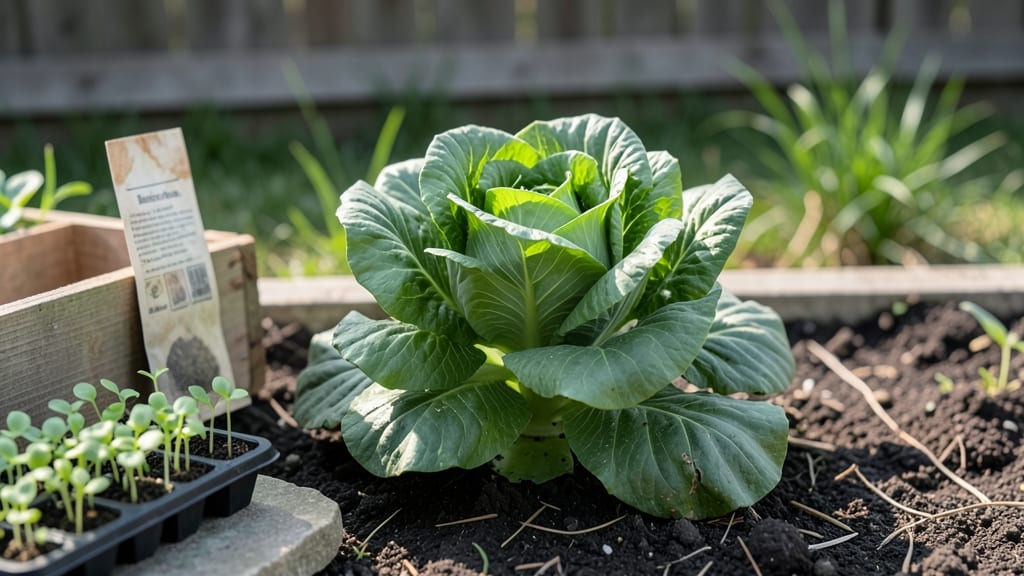
To get seeds for your garden, start with reputable online retailers like Baker Creek Heirloom Seeds or Burpee, or visit local nurseries and seed swaps for fresh, region-specific varieties. Organic and heirloom options are available through specialty catalogs, while community gardens often share free seeds.
Finding quality seeds doesn't have to mean breaking the bank or settling for low-quality stock. 🌱 Online platforms like Baker Creek specialize in rare heirloom varieties, while local nurseries often carry seeds adapted to your specific climate zone.
I always check for organic certification labels—this ensures no synthetic pesticides were used during growth. Community gardens are another hidden gem, where experienced gardeners happily share seeds they've saved from their own harvests, often for free.
For those who love experimenting, seed swaps at farmers' markets or gardening clubs let you trade seeds based on what you've grown successfully. This hands-on approach builds connections while ensuring you get seeds that thrive in your area.
Just remember: always store seeds in a cool, dry place to maintain their viability for next season.
💡 In This Article
- Best Seed Sources for Organic and Heirloom Varieties
- Local Seed Swaps and Community Gardening Resources
Best seed sources for organic and heirloom varieties
Online seed banks like Seed Savers Exchange and Territorial Seed Co. specialize in open-pollinated, non-GMO varieties that maintain genetic purity through generations. These companies often provide cold-hardiness ratings (like Zone 3-8 for certain tomatoes) and detailed growing guides that account for regional climate variations.
For example, their Black Krim tomatoes thrive in cooler climates due to their Russian heritage, while Cherokee Purple handles heat better in Southern zones. The key difference from commercial hybrids is that heirloom seeds produce plants identical to their parents, ensuring flavor and traits remain consistent year after year.
Organic certification matters more than you might think. Look for the USDA Organic seal or OMRI-listed seeds—these guarantee no synthetic pesticides or GMOs were used during production. Baker Creek Heirloom Seeds, for instance, tests all their seeds for viability and often includes germination rates (typically 90%+ for fresh stock).
Their 100% organic tomato seeds cost about $3.50 per packet, but you get 1,000+ seeds—far more than commercial brands that sell 50 seeds for $2.50. The trade-off? Organic seeds may have slightly lower shelf life (2-3 years vs. 5+ for conventional), so check packaging dates carefully.
Local organic farms often carry seeds adapted to your microclimate. For instance, Southern Exposure Seed Exchange focuses on varieties that perform well in humid Southeastern climates, while High Mowing Organic Seeds specializes in cold-tolerant crops for Northern gardeners.
These suppliers frequently offer seed-saving workshops where you learn how to preserve seeds from your harvest—critical for maintaining genetic diversity. The sensory payoff?
Homegrown heirloom tomatoes often have 20-30% more lycopene (the antioxidant that gives them their deep red color) than store-bought varieties, and the flavor complexity is unmatched by commercial hybrids.
Here's how to verify seed quality before buying: First, check the packaging date—seeds lose viability over time (most last 1-5 years, depending on the type). Next, look for germination test results (reputable sellers publish these).
Finally, compare seed counts: A 1/4-pound packet of beans should yield about 30,000 seeds, while a 1/8-pound packet of tomatoes gives roughly 500 seeds. Territorial Seed Co., for example, includes a seed viability chart showing which varieties stay fresh longest in storage.
Don't overlook climate-specific seed guides. The USDA Plant Hardiness Zone Map helps match seeds to your frost dates, but regional nuances matter too.
For instance, Pacific Northwest gardeners should seek out disease-resistant lettuce varieties (like 'Black Seeded Simpson') that handle coastal humidity, while Southwest growers need drought-tolerant beans (such as 'Rattlesnake'). Many online seed banks include interactive zone finders that cross-reference your ZIP code with their inventory—saving you from trial-and-error planting.
What most people don't realize is how seed saving preserves biodiversity. When you grow heirloom seeds year after year, you adapt them to your local conditions—creating unique strains over time.
For example, Seed Savers Exchange maintains a Living Collection of over 25,000 varieties, many of which were rescued from near-extinction. The science behind this is simple: genetic diversity in crops makes them more resilient to pests, diseases, and climate shifts.
By choosing heirloom seeds, you're not just growing food—you're participating in agricultural conservation.